Endocrine Disorders and Reproductive Health in Adults with β-Thalassemia Major
Overview
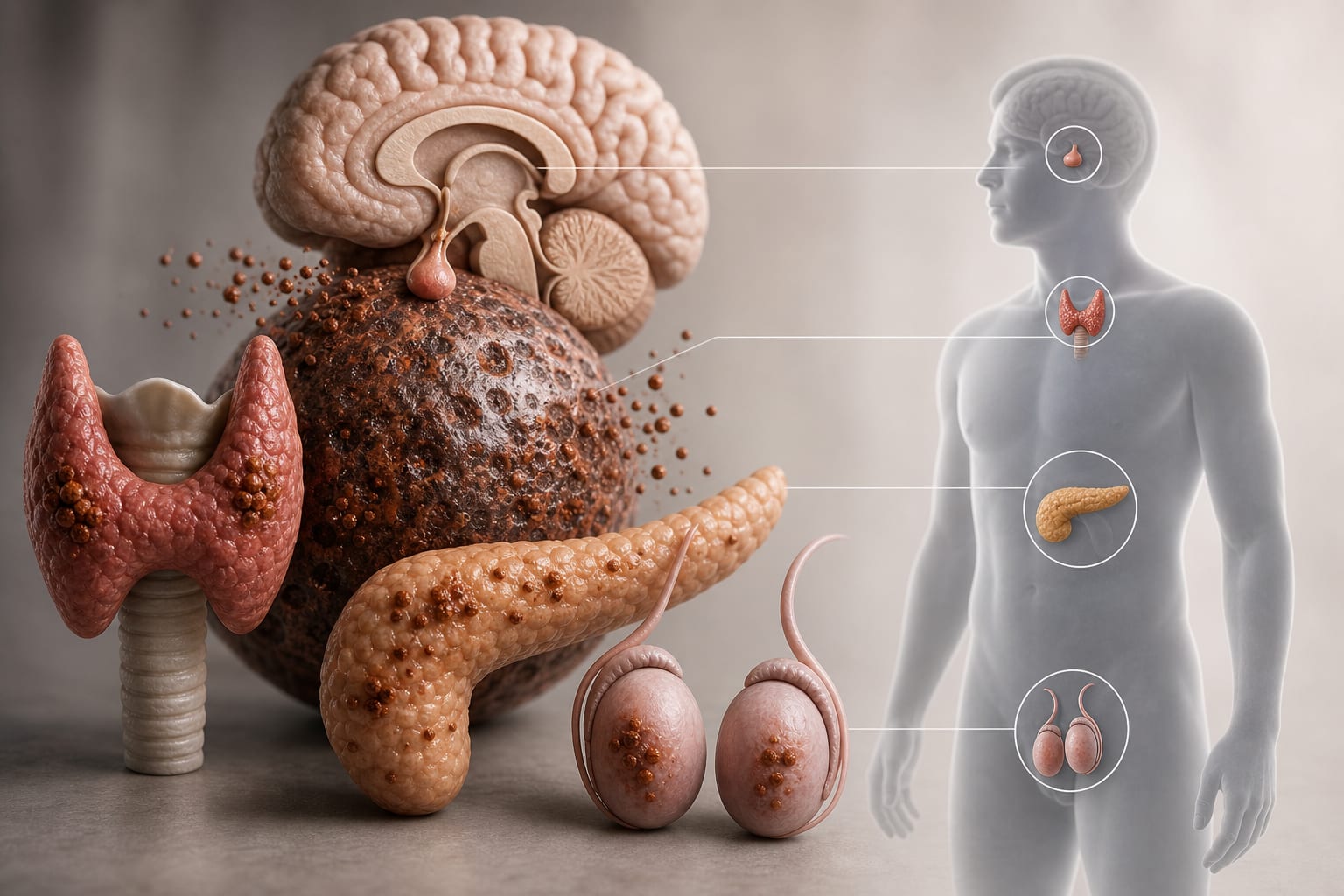
This study evaluates the prevalence of endocrinopathies in adults with β-thalassemia major at a treatment center in Dubai. Key findings include significant rates of hypogonadism, diabetes mellitus, and hypothyroidism among the patient population.
Background
β-thalassemia major is a severe inherited anemia that leads to complications such as iron overload and associated endocrinopathies. Understanding the prevalence of these disorders is crucial for improving patient management and outcomes. Endocrine dysfunctions can significantly impact the quality of life and reproductive health in affected individuals.
Data Highlights
Condition
Prevalence (%)
Hypogonadism
23
Diabetes Mellitus
15
Hypothyroidism
11
Hypoparathyroidism
9
Short Stature
1.5
Key Findings
23% prevalence of hypogonadism among adults with β-thalassemia major.
15% prevalence of diabetes mellitus in the study population.
11% of patients were diagnosed with hypothyroidism.
9% prevalence of hypoparathyroidism was observed.
1.5% of patients presented with short stature.
Clinical Implications
Healthcare providers should be vigilant in monitoring for endocrine disorders in patients with β-thalassemia major. Early detection and management of these conditions are essential to improve patient outcomes and quality of life.
Conclusion
The study highlights the ongoing challenge of managing endocrinopathies in adults with β-thalassemia major, emphasizing the need for improved compliance with treatment protocols.