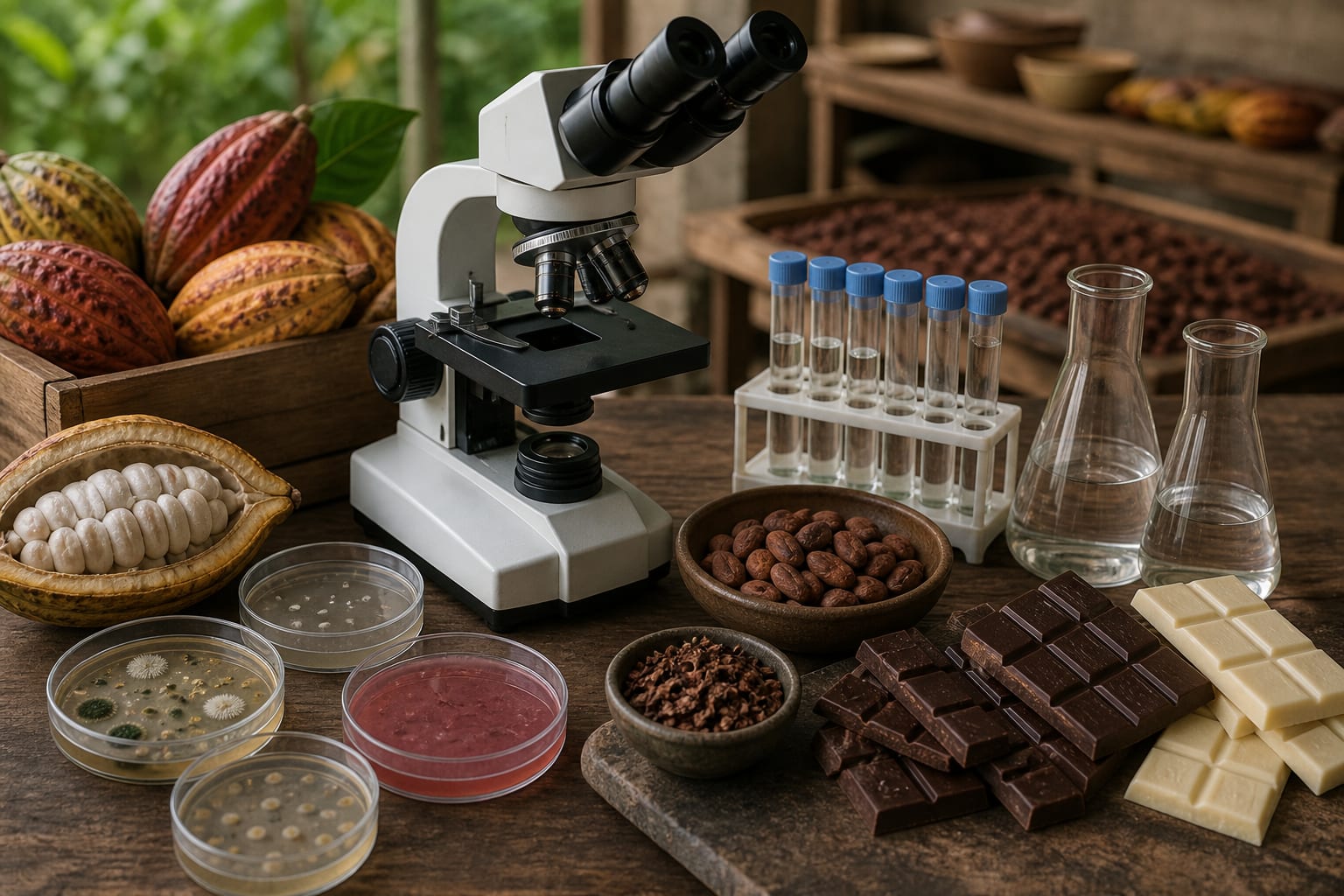
Safety Assessment of Microbiological and Chemical Properties in Artisanal Chocolate
Background
Chocolate is a widely consumed product with significant global sales, prompting increased scrutiny over food safety, particularly among artisanal producers. Indonesia, as a major cocoa supplier, faces challenges in ensuring compliance with international safety standards due to the rapid growth of small-scale chocolate enterprises. Understanding the microbiological and chemical hazards in chocolate production is crucial for maintaining consumer safety and product quality.
Data Highlights
No numerical data provided in the source material.
Key Findings
Microbiological contamination in chocolate can occur during various production stages, particularly post-roasting.
Salmonella spp. is a significant biological hazard in chocolate, with potential for survival and thermal resistance.
Lead and cadmium are the primary chemical hazards associated with cacao and chocolate, with lead contamination often arising from environmental exposure.
High humidity levels in tropical regions like West Java can increase the risk of fungal contamination in chocolate products.
Compliance with international food safety standards is critical for artisanal chocolate producers.
Clinical Implications
Healthcare professionals should be aware of the potential risks associated with artisanal chocolate consumption, particularly regarding microbiological and chemical contaminants. Monitoring and regulatory compliance are essential for ensuring product safety in the growing artisanal chocolate market.
Conclusion
The assessment of safety in artisanal chocolate production is vital for protecting consumer health and ensuring compliance with food safety standards. Continued research and monitoring are necessary to address the identified risks.