Effect of training on navigated frameless and frame-based stereotactic brain biopsies: a retrospective comparison of staff neurosurgeon and trainee perioperative performance and complications - Report - MDSpire
Conexiant’s news site is now MDSpire News. Learn more
Advertisement
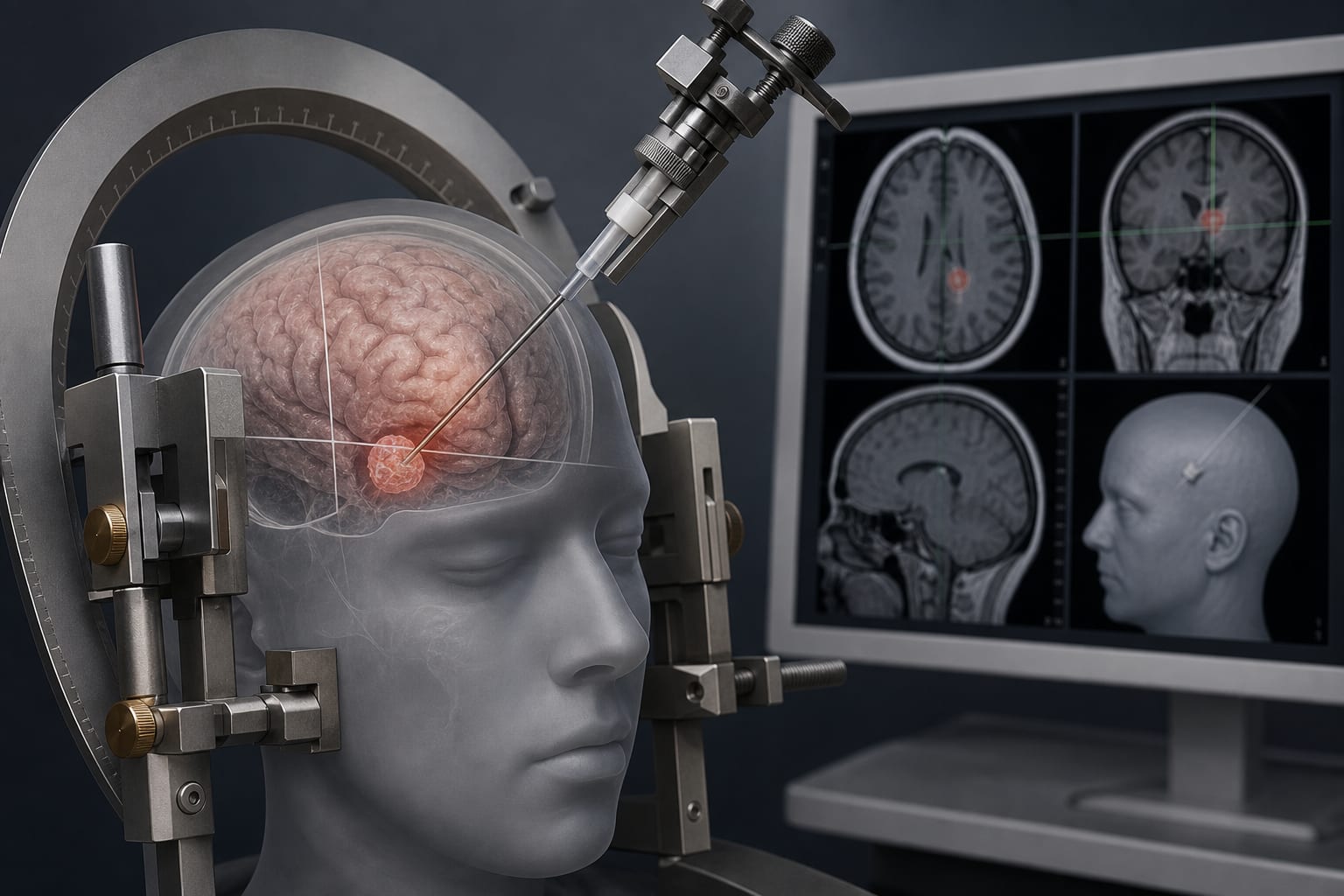
Impact of Training on Performance and Complications in Navigated Frameless versus Frame-Based Stereotactic Brain Biopsies: A Retrospective Analysis of Neurosurgeons and Trainees
Impact of Training on Performance and Complications in Stereotactic Brain Biopsies
Overview
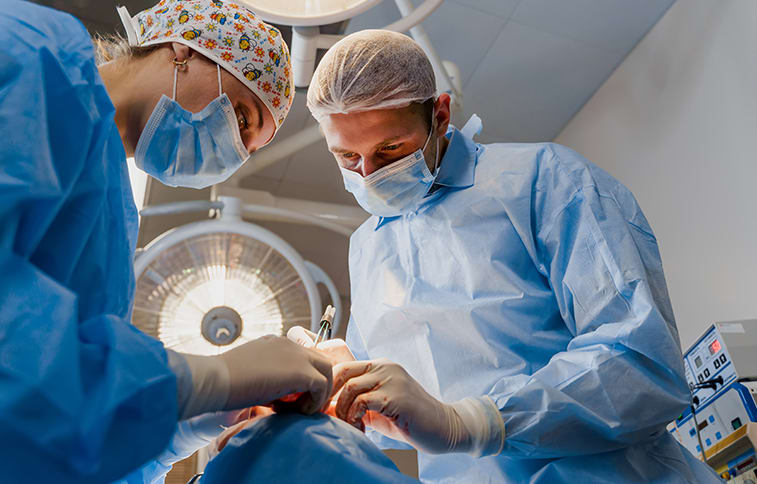
This study evaluates the complication rates of brain biopsies performed by supervised residents compared to experienced neurosurgeons. The findings suggest that supervised residents can perform these procedures with comparable safety, highlighting the importance of structured training in neurosurgery.
Background
Neurosurgical training is critical for developing the skills necessary for complex procedures such as brain biopsies, which are essential for diagnosing tumors and inflammatory conditions. With increasing restrictions on resident work hours, understanding the safety of resident-performed surgeries is vital for patient care. This study addresses the need for data on the safety of supervised residents in performing stereotactic brain biopsies.
Data Highlights
No numerical data was provided in the source material.
Key Findings
Complication rates for brain biopsies performed by supervised residents were comparable to those performed by experienced board-certified faculty neurosurgeons.
Frameless biopsies showed a complication rate range of 2.4% to 17.8%, while frame-based biopsies ranged from 5.1% to 14.2%.
Postoperative monitoring included CT scans to assess for intracranial hemorrhage and other complications.
The study involved a retrospective review of cases from two hospitals over several years, ensuring a diverse patient population.
Structured supervision during training can maintain patient safety while allowing residents to gain essential surgical experience.
Clinical Implications
The findings support the integration of supervised resident involvement in neurosurgical procedures, particularly brain biopsies, without compromising patient safety. This approach can enhance training opportunities while adhering to safety standards in surgical practice.
Conclusion
Supervised residents can safely perform stereotactic brain biopsies, reinforcing the value of structured training in neurosurgery. These results contribute to the ongoing discussion about the role of residents in surgical procedures amidst evolving training environments.
Aviva Abosch, M.D., Ph.D., a neurosurgeon at Baptist Health Miami Neuroscience Institute, part of Baptist Health Brain and Spine Care, was installed as the Esernia Endowed Chair in Surgical Treatment of Adult Epilepsy and Movement Disorders.