Napkin-ring sign plaques are associated with clinical outcome in patients with acute ischemic stroke after endovascular therapy - Report - MDSpire

Napkin-ring sign plaques are associated with clinical outcome in patients with acute ischemic stroke after endovascular therapy

  • By

  • Linkao Chen

  • Rui Huang

  • Taotao Tao

  • Chengfei Zhu

  • Xiaohua Li

  • Xinwei He

  • June 11, 2026

  • 0 min

Share

Association of Napkin-Ring Sign Plaques with Clinical Outcomes in Acute Ischemic Stroke Patients Undergoing Endovascular Therapy

Overview

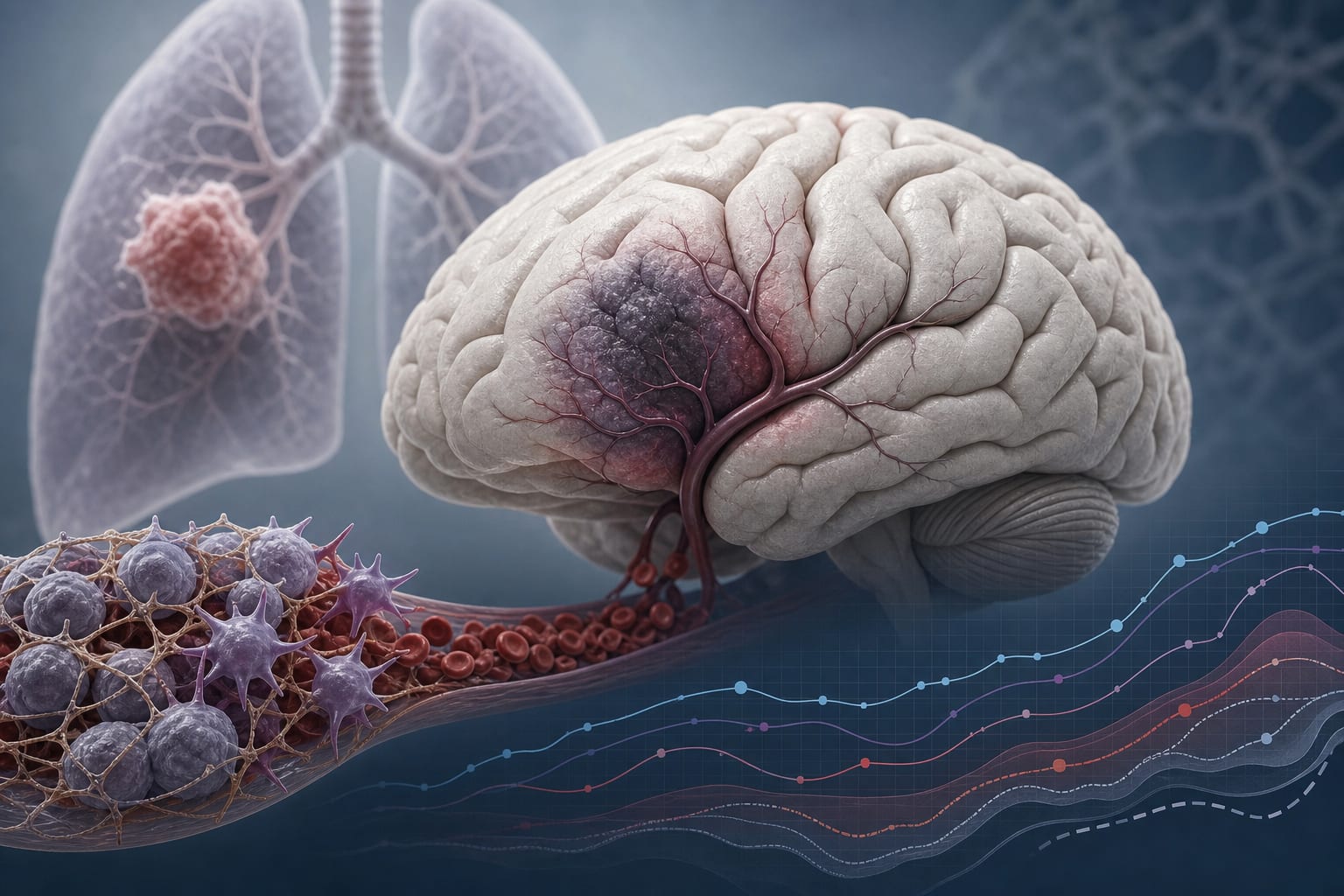
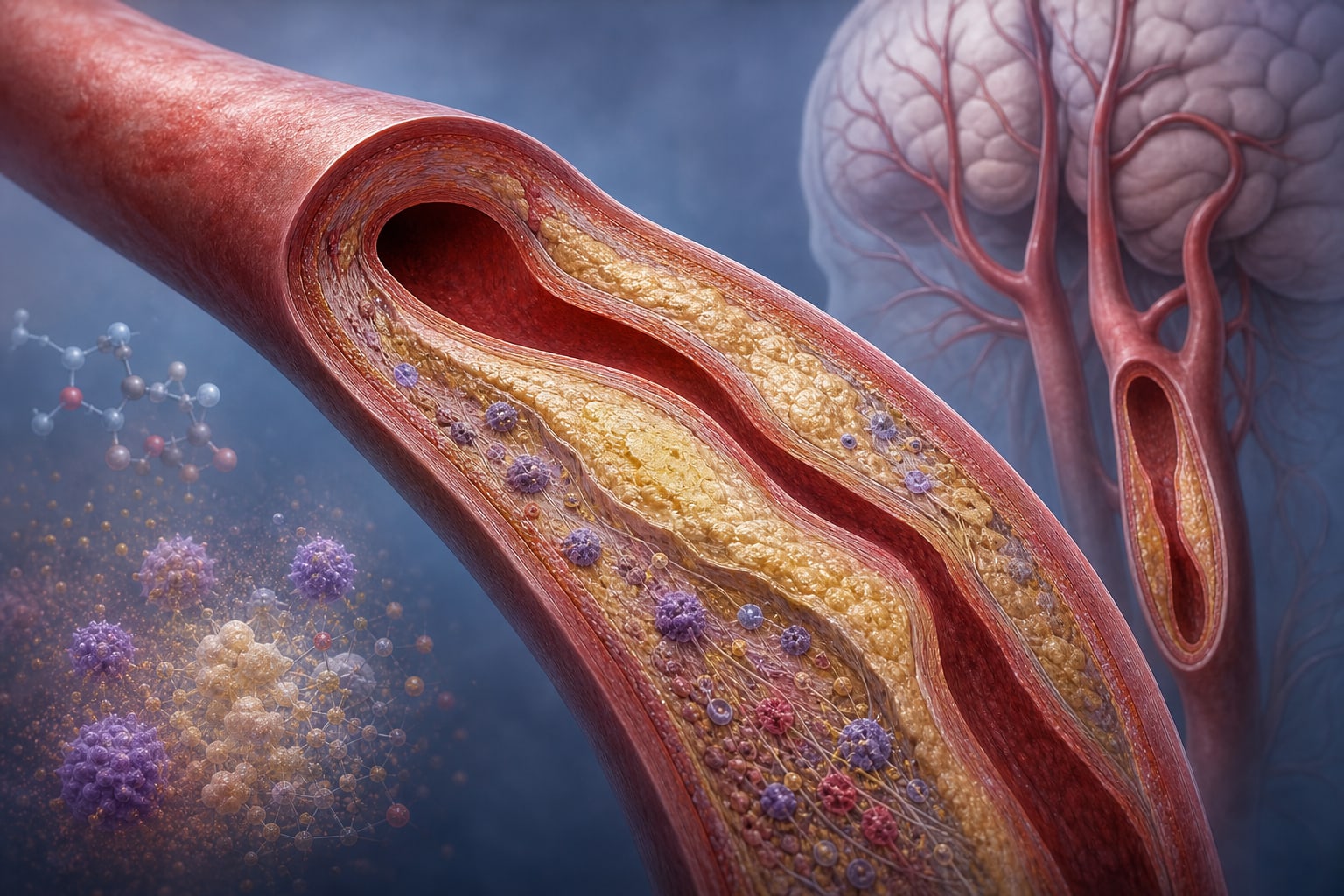
This study investigates the relationship between carotid artery napkin ring sign (NRS) plaques and clinical outcomes in acute ischemic stroke (AIS) patients undergoing endovascular therapy (EVT). It finds that higher NRS plaque burden is associated with reduced recanalization rates and poorer functional outcomes.

Background

Acute ischemic stroke (AIS) is a leading cause of morbidity and mortality, particularly in patients with large-vessel occlusion. The presence of vulnerable plaques, such as those exhibiting the napkin ring sign (NRS), may influence treatment outcomes following EVT. Understanding the impact of NRS plaques on clinical outcomes is crucial for improving patient management strategies.

Data Highlights

OutcomeFindings
NRS PlaquesHigher total NRS plaques observed on symptomatic side
Poor OutcomesHigh percentage of NRS plaques associated with poor outcomes
Diagnostic AccuracyNRS plaque areas showed good diagnostic accuracy for poor outcomes
Statistical SignificanceAssociation between NRS area and poor outcome remained significant after adjustments

Key Findings

  • Higher total NRS plaques and areas were found on the symptomatic side compared to the contralateral side.
  • Patients with poor outcomes had a higher percentage of total NRS plaques on both sides.
  • NRS plaque areas were significantly larger in patients with poor outcomes.
  • The presence of NRS plaques was associated with reduced recanalization rates and increased symptomatic intracranial hemorrhage.
  • The association between NRS plaque area and poor outcomes remained statistically significant after adjusting for covariates.

Clinical Implications

The findings suggest that the assessment of NRS plaques via cervicocerebral CTA may provide valuable prognostic information for AIS patients undergoing EVT. Clinicians should consider the burden of NRS plaques when evaluating treatment strategies and potential outcomes.

Conclusion

The study highlights the significant association between NRS plaques and adverse clinical outcomes in AIS patients post-EVT, indicating the need for further research in this area.

Related Resources & Content

  1. Frontiers in Neurology, 2026 -- 24-h NIHSS score is the strongest prognostic predictor of 90-day outcome in cardioembolic stroke patients with anterior circulation occlusion after endovascular thrombectomy
  2. European Radiology, 2023 -- Baseline CT Imaging of Cortical Atrophy as a Predictor of Clinical Outcomes in Acute Ischemic Stroke Patients Undergoing Endovascular Therapy
  3. Frontiers in Neurology, 2026 -- Risk factors for early neurological deterioration in patients with acute ischaemic stroke and assessment of short-term prognosis
  4. 2026 Guideline for the Early Management of Patients With Acute Ischemic Stroke: A Guideline From the American Heart Association/American Stroke Association
  5. Acta Neurochirurgica — Integrated neuropsychological assessment in patients undergoing neurosurgical and endovascular treatment of unruptured cerebral aneurysms: results of a prospective observational study
  6. Identification of vulnerable carotid plaque with histologically validated CT-derived plaque maps
  7. 2026 Guideline for the Early Management of Patients With Acute Ischemic Stroke: A Guideline From the American Heart Association/American Stroke Association

Original Source(s)

Related Content