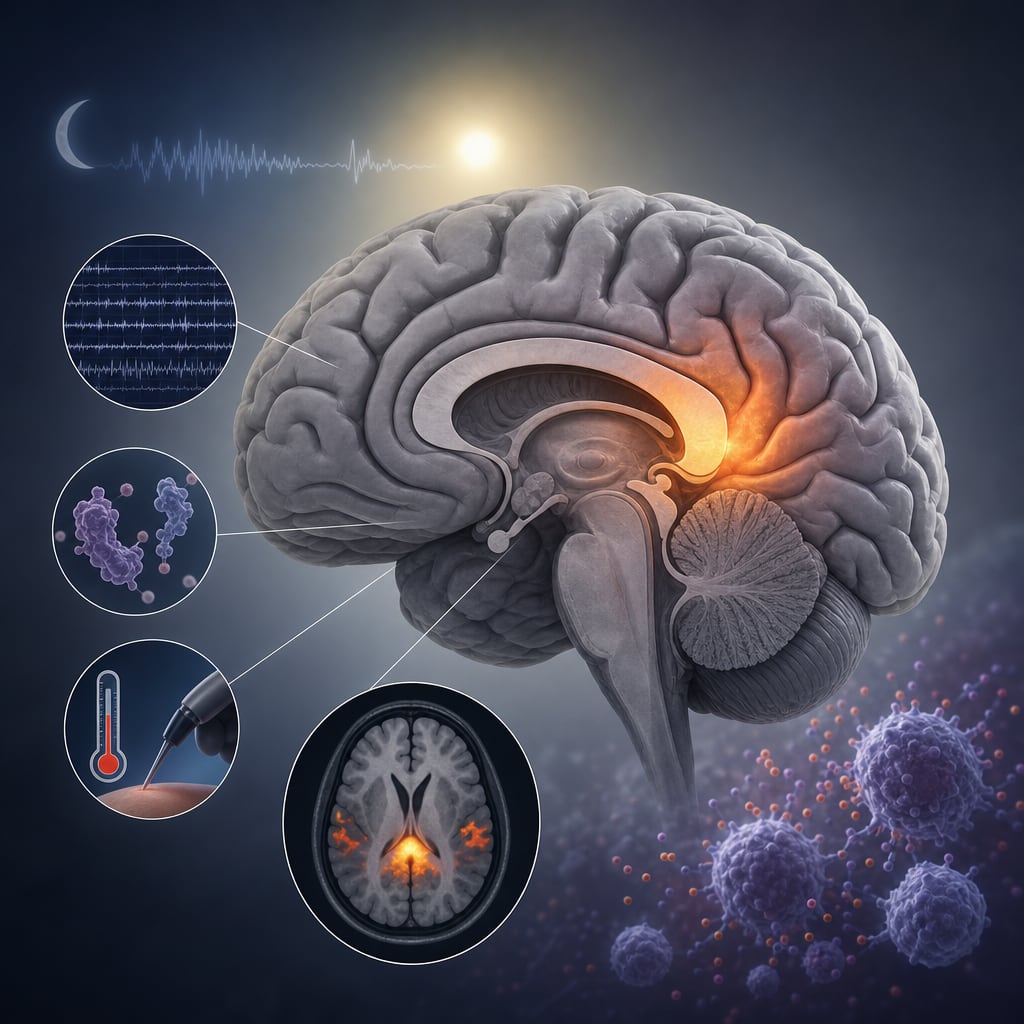
Clinical Report: Impact of Combined High-Frequency rTMS and Acupuncture on CPSP
Overview
Revise to specify the direct comparison between combined treatment and acupuncture alone.
Background
Chronic central post-stroke pain (CPSP) is a prevalent neuropathic pain condition that can severely impact patients' quality of life and psychological well-being. Current treatment options often include pharmacotherapy and neuromodulation techniques, but there is a growing interest in non-invasive methods like rTMS and acupuncture. Understanding the efficacy of these combined therapies is crucial for enhancing recovery outcomes in post-stroke patients.
Data Highlights
Outcome Measure
Group
p-value
VAS
Combined Treatment
0.018
HAMD
Combined Treatment
0.037
HAMA
Not Significant
0.226
PSQI
Not Significant
0.343
ADL
Not Significant
0.210
Key Findings
The combined treatment group showed significantly greater improvements in pain (VAS) compared to the acupuncture-only group.
Depression levels (HAMD) were significantly reduced in the combined treatment group.
No significant differences were observed in anxiety (HAMA), sleep quality (PSQI), or activities of daily living (ADL) between the groups.
Both treatment groups demonstrated overall improvement over time in all measured outcomes.
Acupuncture alone provides clinical benefits for CPSP, but the addition of rTMS enhances these effects.
Clinical Implications
The findings suggest that integrating high-frequency rTMS with acupuncture may provide a more effective treatment strategy for managing CPSP and associated mood disorders. Clinicians should consider this combined approach for patients in the post-stroke recovery phase to optimize pain relief and improve psychological outcomes.
Conclusion
The study highlights the potential of combining high-frequency rTMS with acupuncture as a superior treatment modality for chronic CPSP and mood disorders. Further research is warranted to confirm these findings and explore the underlying mechanisms.