Assessment of 5-ALA Fluorescence in Pediatric Brain Tumors Using Spectroscopy and Microscopy
Overview
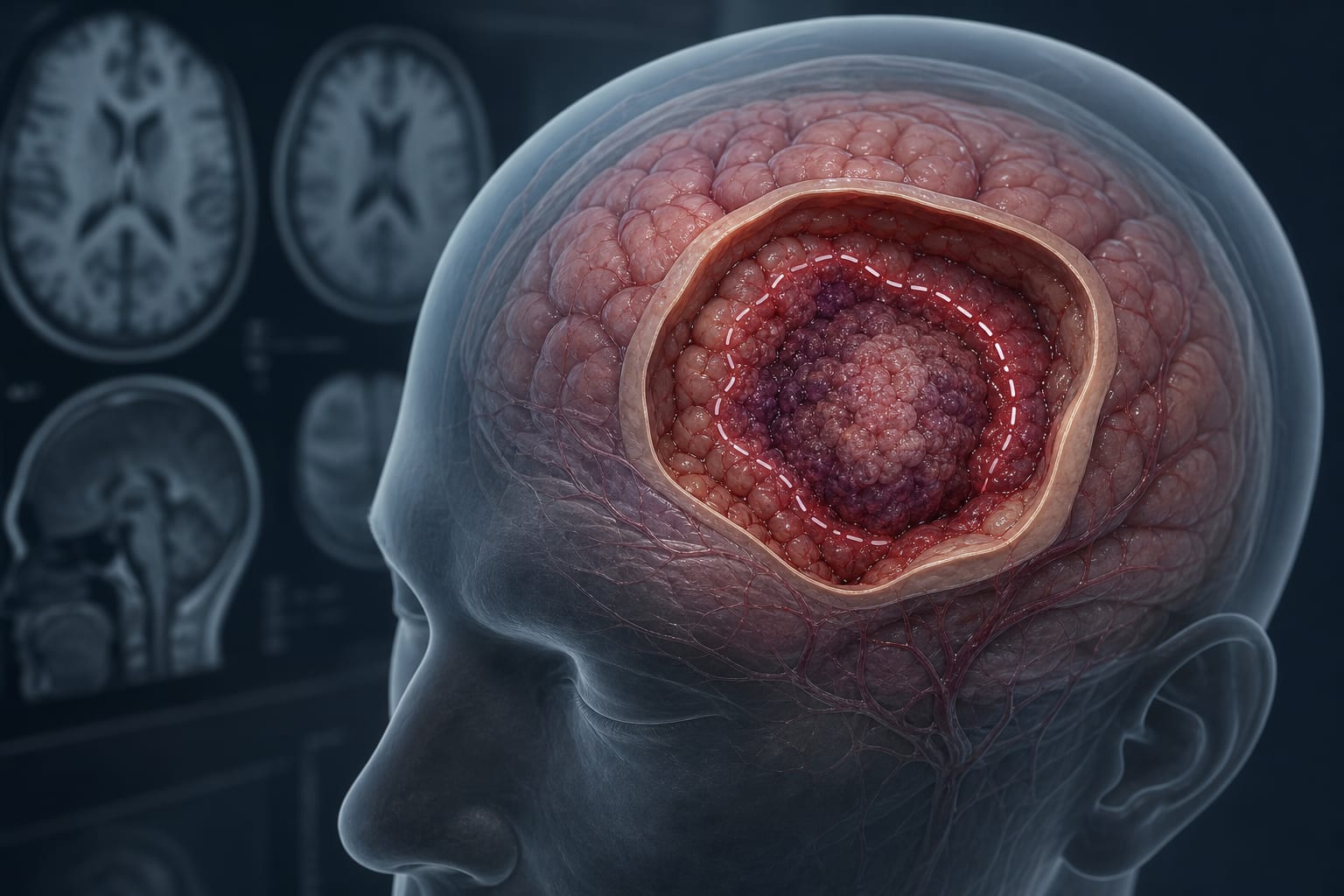
This study evaluated the intraoperative use of 5-aminolevulinic acid (5-ALA) fluorescence in pediatric brain tumor surgery using both blue-light surgical microscopy and a hand-held spectroscopic probe. The findings highlight the potential of spectroscopy to detect tumor fluorescence beyond what is visible with the microscope and confirm the safety profile of 5-ALA in children.
Background
Maximal extent of resection (EOR) in pediatric gliomas is critical for improving progression-free and overall survival but must be balanced against the risk of postoperative neurological deficits. Fluorescence-guided surgery with 5-ALA is well established in adult high-grade glioma surgery but remains off-label and less studied in children, with mixed results regarding its intraoperative benefit. Differences in tumor biology and pharmacokinetics between children and adults may influence 5-ALA fluorescence efficacy. This study aimed to assess the accuracy of 5-ALA-induced protoporphyrin IX (PpIX) fluorescence in delineating tumor margins in pediatric brain tumors using both microscopy and spectroscopy.
Data Highlights
Fourteen pediatric patients (age 4–17 years, median 9 years) with newly diagnosed brain tumors received 20 mg/kg 5-ALA preoperatively. Fluorescence was assessed intraoperatively using a blue-light surgical microscope and a hand-held spectroscopic probe. Safety was monitored via blood tests and adverse event registration. Three patients were excluded preoperatively due to abnormal lab values. Postoperative MRI was performed within 48 hours to evaluate resection extent.
Key Findings
5-ALA fluorescence was detectable intraoperatively in pediatric brain tumors using both surgical microscopy and spectroscopy.
The hand-held spectroscopic probe identified PpIX fluorescence beyond the margins visible with the surgical microscope, potentially improving tumor delineation.
Fluorescence intensity and detection varied among tumor types and grades, reflecting pediatric tumor heterogeneity.
No significant adverse events or abnormal laboratory findings related to 5-ALA administration were observed, supporting its safety in children.
5-ALA-induced skin photosensitivity, as measured by forearm skin fluorescence, was similar to that seen in adults, indicating comparable light sensitivity profiles.
Clinical Implications
The combined use of 5-ALA fluorescence microscopy and spectroscopy may enhance intraoperative tumor margin detection in pediatric brain tumor surgery, potentially improving extent of resection while preserving neurological function. The favorable safety profile supports cautious use of 5-ALA in children, particularly in supratentorial, contrast-enhancing tumors. Further studies are warranted to optimize dosing and fluorescence detection tailored to pediatric tumor biology.
Conclusion
This study demonstrates that 5-ALA fluorescence, assessed by both microscopy and spectroscopy, can aid in delineating pediatric brain tumors intraoperatively with a good safety profile. Spectroscopy may detect tumor fluorescence beyond visible margins, offering a valuable adjunct to surgical guidance.
References
Stummer et al. 2014 -- Use of 5-ALA in Pediatric Brain Tumors
Swedish Medical Product Agency MPA 2013 -- Drug Approval for 5-ALA Clinical Study
Regional Ethical Review Board in Linköping 2014 -- Ethical Approval for Pediatric 5-ALA Study