Clinical Report: NASA's Future Space Habitation Strategies Must Emphasize Immunology
Overview
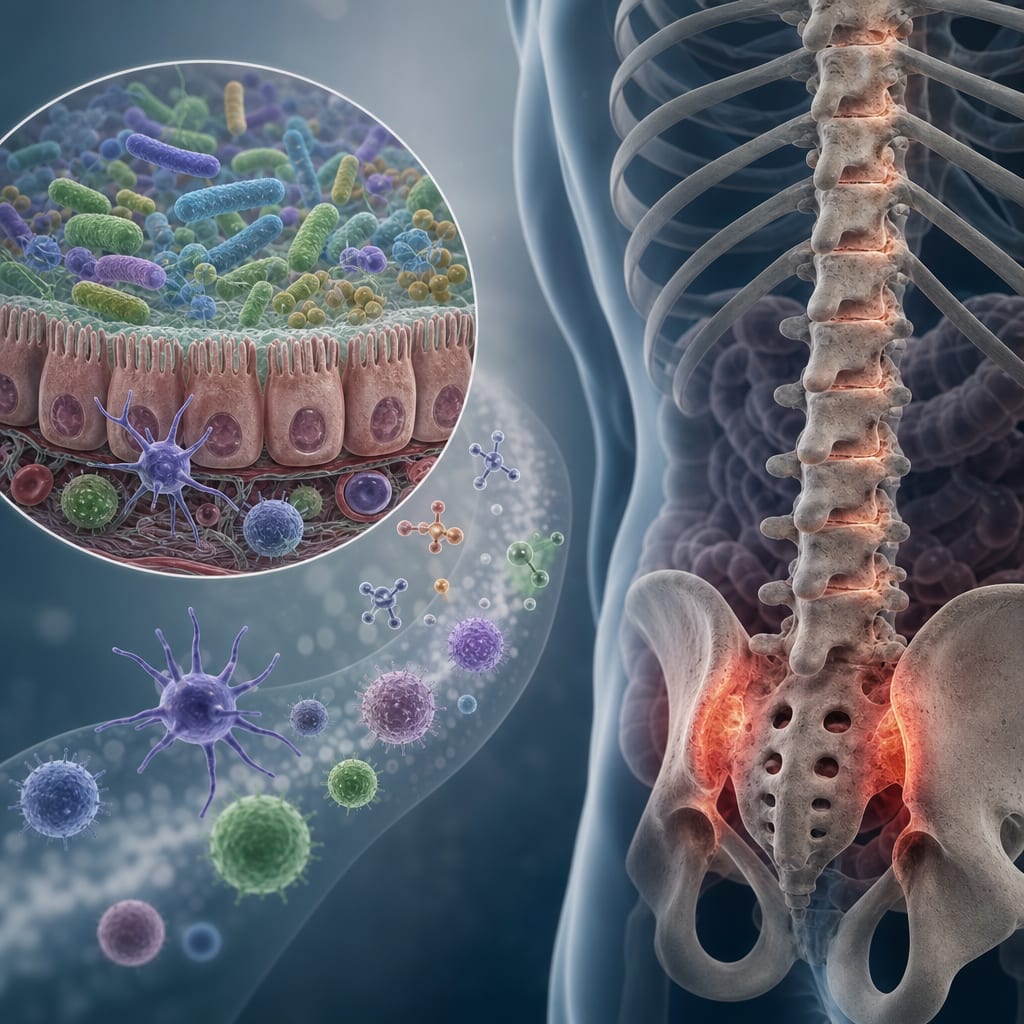
NASA's plans for lunar and Martian bases necessitate a focus on immunology and infectious disease management due to the altered immune responses observed in space. Studies indicate that spaceflight can lead to immune dysregulation and the reactivation of dormant viruses, posing significant health risks for astronauts.
Background
As NASA advances its lunar and Martian exploration initiatives, understanding human health in space becomes critical. The unique environment of space affects the immune system, which may increase susceptibility to infections and alter microbial dynamics. Addressing these challenges is essential for the safety and health of future space crews.
Data Highlights
No numerical data available in the source material.
Key Findings
Spaceflight is associated with immune dysregulation, including increased inflammation markers.
Reactivation of dormant viruses, such as herpes viruses, has been documented during space missions.
Microorganisms, including bacteria, can evolve in space, potentially increasing virulence and antibiotic resistance.
NASA's quarantine protocols aim to minimize infectious disease risks, but cannot eliminate them entirely.
Future lunar and Martian settlements may harbor novel microbes that could pose health risks to inhabitants.
Clinical Implications
Healthcare professionals involved in space missions must prioritize immunization and infection control strategies to mitigate health risks. Understanding the potential for microbial evolution in space is crucial for developing effective preventive measures for astronauts.
Conclusion
As NASA prepares for long-term human habitation in space, a robust focus on immunology and infectious disease management is essential to safeguard astronaut health and ensure mission success.