Clinical Report: Fundamentals of ESR: Guidelines for Uterine Cancers
Overview
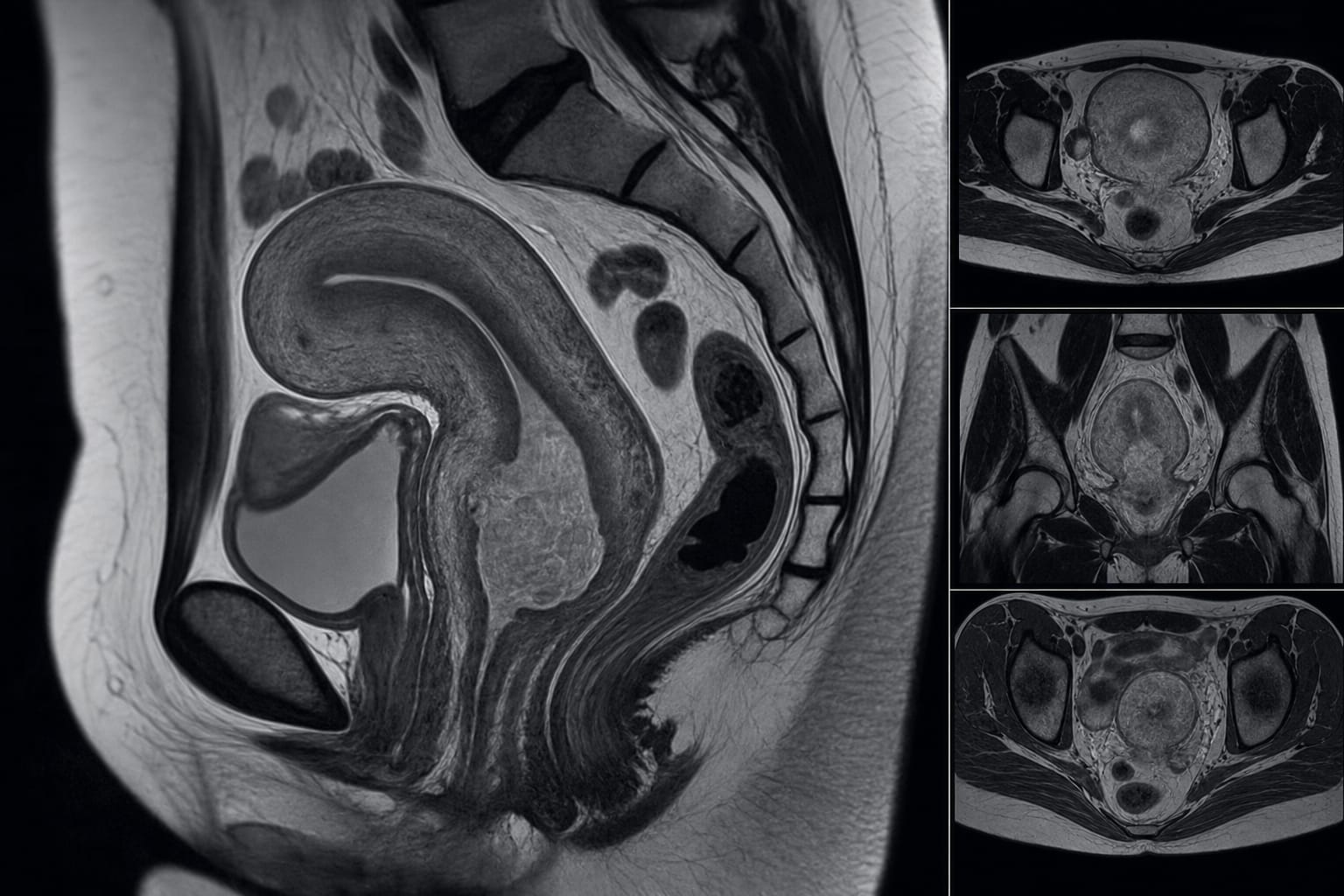
The European Society of Urogenital Radiology (ESUR) provides guidelines emphasizing the critical role of MRI in the assessment and management of cervical and endometrial cancers. Key recommendations include the use of MRI for local tumor staging, treatment selection, and fertility-sparing surgery eligibility.
Background
Cervical and endometrial cancers are prevalent malignancies in women, necessitating accurate staging and treatment planning. MRI is the preferred imaging modality for evaluating these cancers, as it aids in determining tumor extent and guiding therapeutic decisions.
Data Highlights
No numerical data provided in the source material.
Key Findings
MRI is mandatory for assessing local tumor extent in cervical cancer to guide treatment selection (moderate evidence).
MRI should determine maximal tumor size and evaluate parametrial invasion for optimal treatment selection (high evidence).
In endometrial cancer, MRI is essential for evaluating myometrial invasion and cervical stromal involvement (high evidence).
MRI is required prior to fertility-sparing treatment in endometrial cancer to confirm disease confinement to the endometrium (moderate evidence).
MRI is the imaging modality of choice for differentiating indeterminate myometrial lesions (high evidence).
Clinical Implications
Healthcare professionals should utilize MRI as the primary imaging tool for staging cervical and endometrial cancers.
Conclusion
The ESUR guidelines highlight the importance of MRI in the management of uterine cancers.