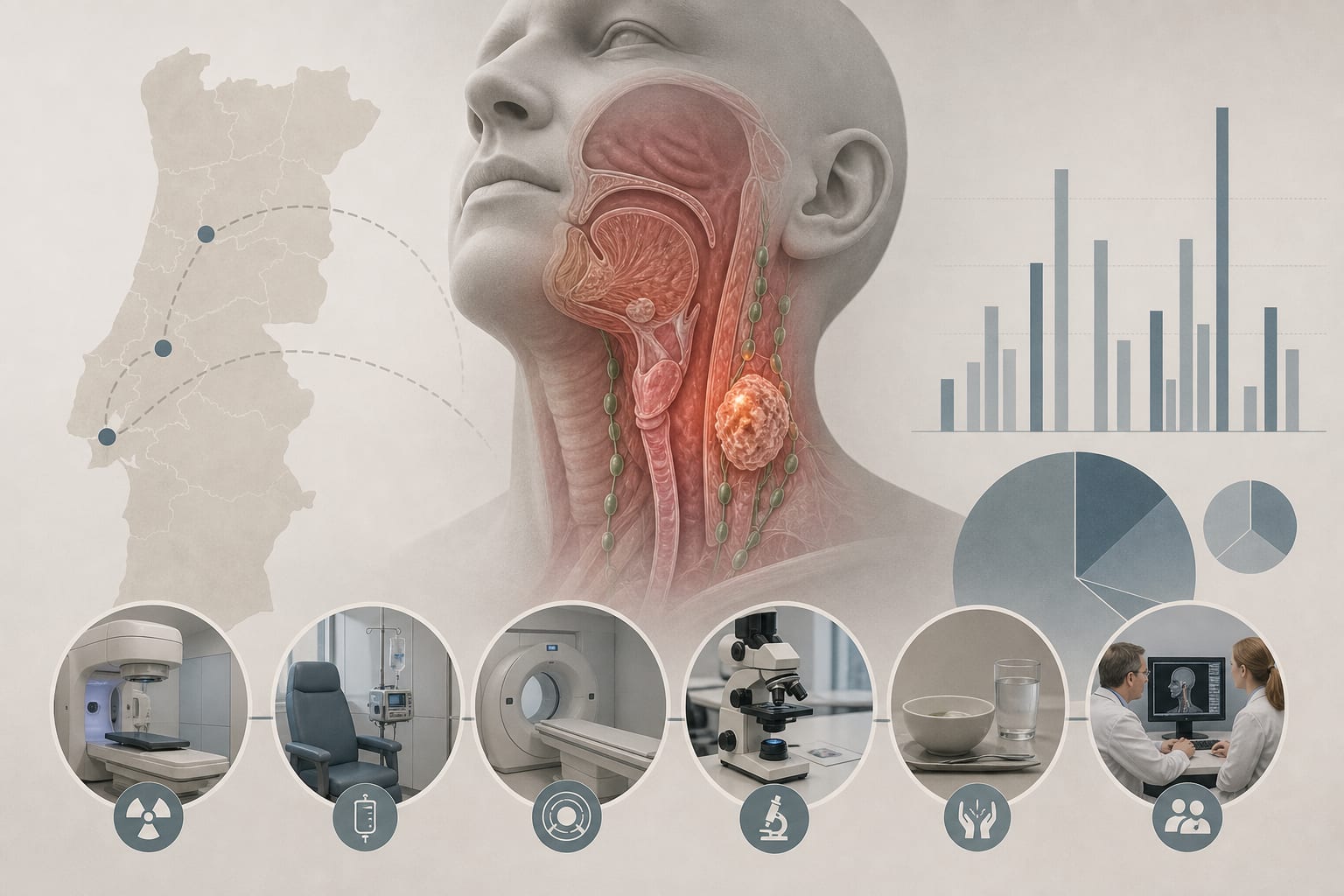
Demographics, Social Determinants, and Treatment Trends in Head and Neck Cancer Patients in Central Missouri
Overview
This study analyzes the impact of social determinants of health on head and neck cancer (HNC) patients in central Missouri. Key findings indicate that greater travel distance and higher socioeconomic deprivation are associated with advanced-stage disease at diagnosis.
Background
Head and neck cancer (HNC) presents significant challenges, particularly in rural areas where access to care is limited. Understanding the role of social determinants of health (SDOH) is crucial for improving patient outcomes and addressing disparities in cancer care. This study focuses on the demographics and treatment trends of HNC patients in central Missouri, highlighting the importance of SDOH in cancer diagnosis and management.
Data Highlights
Factor
Stage IV Presentation (%)
p-value
Distance >100 miles
53
0.005
Boone County Residents
28
Key Findings
Patients living more than 100 miles from the cancer center had a 53% rate of stage IV presentation.
Boone County residents had a 28% rate of stage IV presentation.
Higher Area Deprivation Index (ADI) scores were significantly associated with advanced-stage disease (p = 0.017).
Travel distance (OR = 1.24) and ADI (OR = 1.06) were independently associated with higher stage at diagnosis.
RUCA classification and sex were not significantly associated with stage at diagnosis.
Clinical Implications
Healthcare providers should consider the impact of travel distance and socioeconomic factors when diagnosing and treating head and neck cancer patients. Addressing these social determinants may improve early detection and treatment outcomes in rural and disadvantaged populations.
Conclusion
The findings emphasize the need for targeted interventions to mitigate the effects of social determinants on head and neck cancer outcomes. Improving access to care for rural patients is essential for enhancing early diagnosis and treatment success.