Fractal Analysis of Retinal Microvasculature and Its Association with Cardiovascular Outcomes: A Systematic Review and Meta-Analysis - Report - MDSpire
Clinical Report: Fractal Analysis of Retinal Microvasculature and CVD Outcomes
Overview
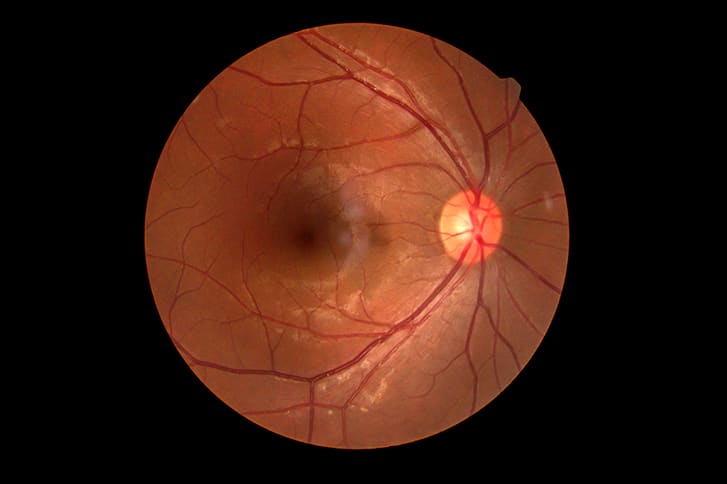
This systematic review and meta-analysis evaluates the association between retinal fractal dimension (FD) and cardiovascular disease (CVD) outcomes. The findings suggest that lower FD is linked to higher CVD risk, particularly for stroke and arteriolar FD.
Background
Cardiovascular disease remains a leading cause of mortality globally, with increasing incidence and mortality rates. Traditional diagnostic methods for CVD can be invasive and delayed. Retinal microvasculature, which shares similarities with cardiovascular structures, may serve as a non-invasive biomarker for assessing CVD risk.
Data Highlights
The meta-analysis included observational studies that assessed the relationship between retinal FD and various CVD outcomes, revealing significant associations.
Key Findings
Lower retinal FD is associated with higher incident CVD risk (RR 1.14 per unit decrease).
When analyzed categorically, low FD significantly correlates with increased CVD risk (RR 1.51).
The association between FD and CVD outcomes varies by vessel type, with stronger signals for arteriolar FD.
FD did not consistently correlate with prevalent, established CVD.
Subgroup analyses indicated differences in associations between retinal arterioles and venules with CVD risk.
Clinical Implications
The findings support the potential of retinal FD as a non-invasive biomarker for CVD risk assessment, particularly for cerebrovascular events. Clinicians may consider incorporating retinal imaging in risk stratification, although current guidelines do not yet endorse this practice.
Conclusion
This study highlights the relevance of retinal microvascular analysis in understanding cardiovascular risk, suggesting that further research could solidify its role in clinical practice.
US claims data showed rising prevalence of diabetic retinal disease in type 1 and type 2 diabetes, while incidence declined in type 1 diabetes and moved closer to type 2 rates by 2022.