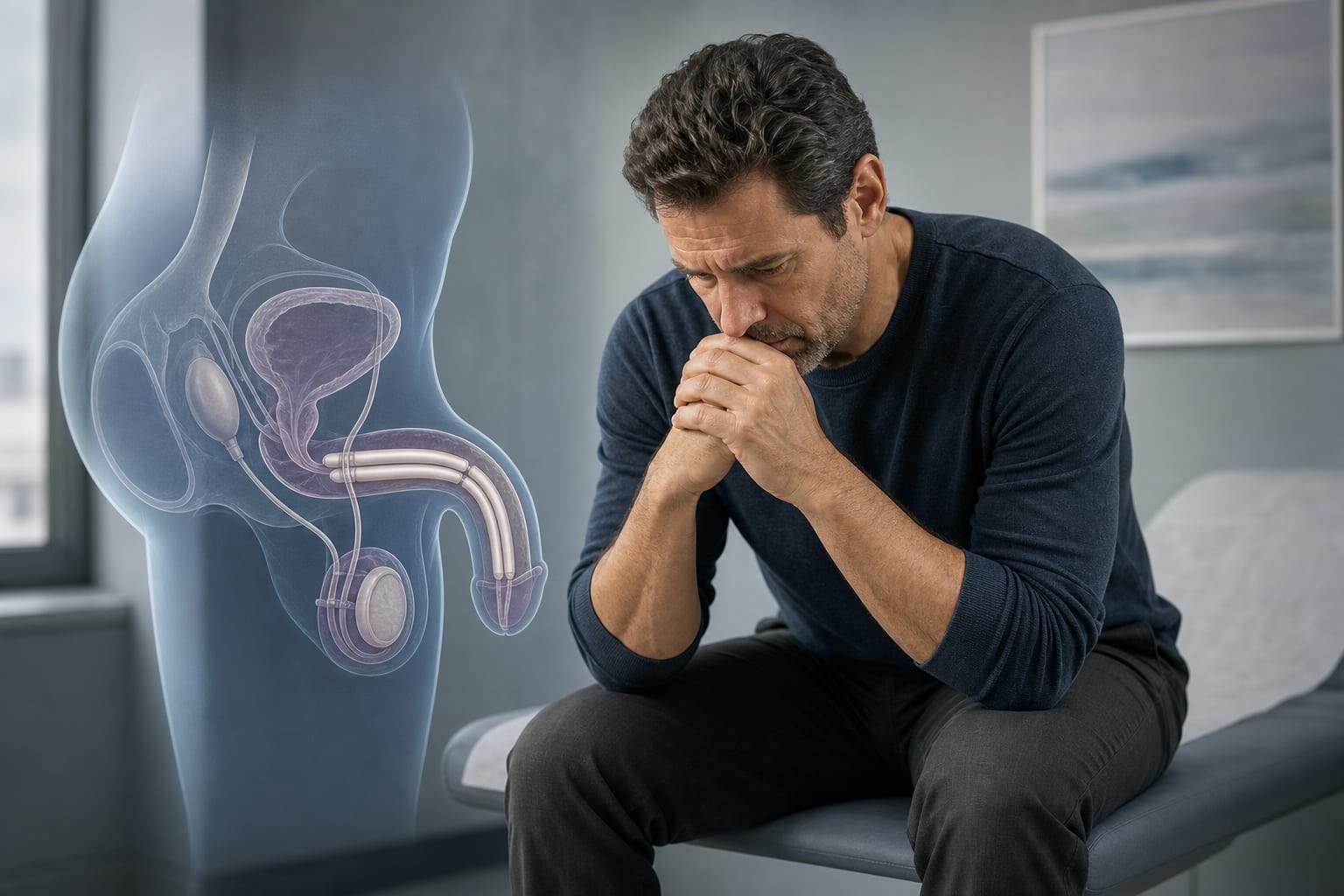
Clinical Report: Assessing the Incidence of Preoperative Anxiety in Patients Scheduled for Penile Prosthesis Surgery
Overview
This study investigates the prevalence and determinants of preoperative anxiety (PA) in patients undergoing penile prosthesis implantation (PPI). It highlights the significant impact of PA on surgical outcomes and patient satisfaction.
Background
Preoperative anxiety is common among surgical patients and can lead to adverse effects such as increased anesthetic consumption and postoperative complications. Understanding the prevalence of PA in specific surgical populations, such as those undergoing PPI, is crucial for improving patient care. This study aims to fill a gap in the literature regarding PA in patients with erectile dysfunction scheduled for PPI.
Data Highlights
No numerical data was provided in the source material.
Key Findings
Preoperative anxiety is prevalent among patients undergoing penile prosthesis surgery.
Factors influencing preoperative anxiety include personal and family history of surgical complications and the quality of preoperative counseling.
The Amsterdam Pre-operative Anxiety and Information Scale (APAIS) is used to assess anxiety levels in surgical patients.
A total anxiety score of ≥ 11 indicates clinically significant anxiety.
Patients with erectile dysfunction may experience heightened anxiety due to the emotional aspects of the condition.
Clinical Implications
Healthcare providers should be aware of the high levels of preoperative anxiety in patients undergoing penile prosthesis surgery. Effective preoperative counseling and addressing patients' concerns may help mitigate anxiety and improve surgical outcomes.
Conclusion
The study underscores the importance of assessing preoperative anxiety in patients undergoing penile prosthesis surgery, as it can significantly affect surgical outcomes and patient satisfaction.