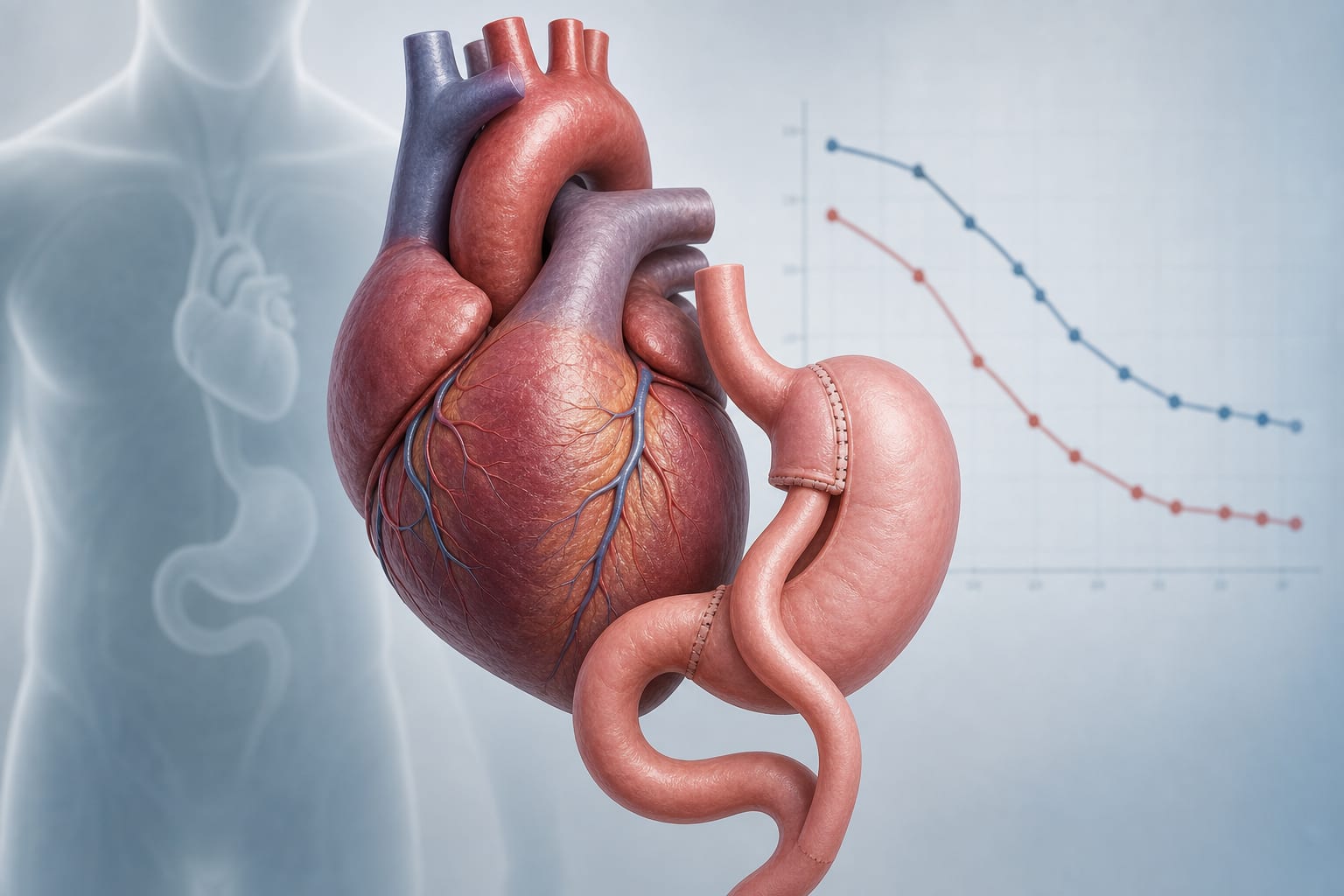
Increased Risk of Hypoglycemia Following Roux-en-Y Gastric Bypass Surgery in Patients Without Diabetes: a Propensity Score-Matched Analysis - Report - MDSpire
Advertisement
Increased Risk of Hypoglycemia Following Roux-en-Y Gastric Bypass Surgery in Patients Without Diabetes: a Propensity Score-Matched Analysis
Elevated Hypoglycemia Risk After Roux-en-Y Gastric Bypass in Non-Diabetics
Overview
This study demonstrates a significantly increased risk of hypoglycemia in non-diabetic patients with obesity following Roux-en-Y gastric bypass (RYGB) surgery compared to matched non-surgical controls. Using a large electronic health record database and propensity score matching, the analysis highlights hypoglycemia as a notable postoperative complication in this population.
Background
Obesity is a global epidemic associated with multiple comorbidities including type 2 diabetes and cardiovascular disease. Roux-en-Y gastric bypass (RYGB) is a common bariatric surgery that effectively induces weight loss and improves obesity-related conditions. However, hypoglycemia is a recognized but poorly quantified complication after RYGB, particularly in patients without diabetes. Understanding the risk of hypoglycemia post-RYGB in non-diabetic individuals is critical for optimizing patient management and outcomes.
Data Highlights
Parameter
RYGB Group
Non-Surgical Control
Population Size
Not specified
Not specified
Age ≥18 years
Included
Included
BMI ≥30 kg/m2
Included
Included
Hypoglycemia Incidence
Increased (exact rates not provided)
Lower
Follow-up
Not specified
Not specified
Key Findings
RYGB surgery in non-diabetic obese patients is associated with a higher incidence of hypoglycemia compared to matched non-surgical controls.
Hypoglycemia was identified using ICD-10-CM diagnosis codes and laboratory glucose values ≤70 mg/dL.
Propensity score matching accounted for demographics, socioeconomic factors, lifestyle, comorbidities, and medication use to minimize confounding.
RYGB procedures included laparoscopic gastric restrictive surgery with a Roux limb ≤150 cm.
Potential mechanisms for hypoglycemia post-RYGB include altered glucose metabolism, enhanced insulin sensitivity, and increased GLP-1 secretion.
Clinical Implications
Clinicians should be vigilant for hypoglycemia in non-diabetic patients following RYGB surgery and consider monitoring glucose levels during postoperative follow-up. Awareness of this risk may guide patient counseling, dietary recommendations, and management strategies to mitigate hypoglycemia-related complications. Tailoring postoperative care to include hypoglycemia risk assessment is essential for optimizing patient safety.
Conclusion
RYGB surgery significantly elevates the risk of hypoglycemia in non-diabetic individuals with obesity, underscoring the need for careful postoperative monitoring and management. Further research is warranted to elucidate mechanisms and preventive strategies.
References
Wittgrove & Clark 1994 -- First Report of Roux-en-Y Gastric Bypass
TriNetX Database 2024 -- Global Federated Health Research Network