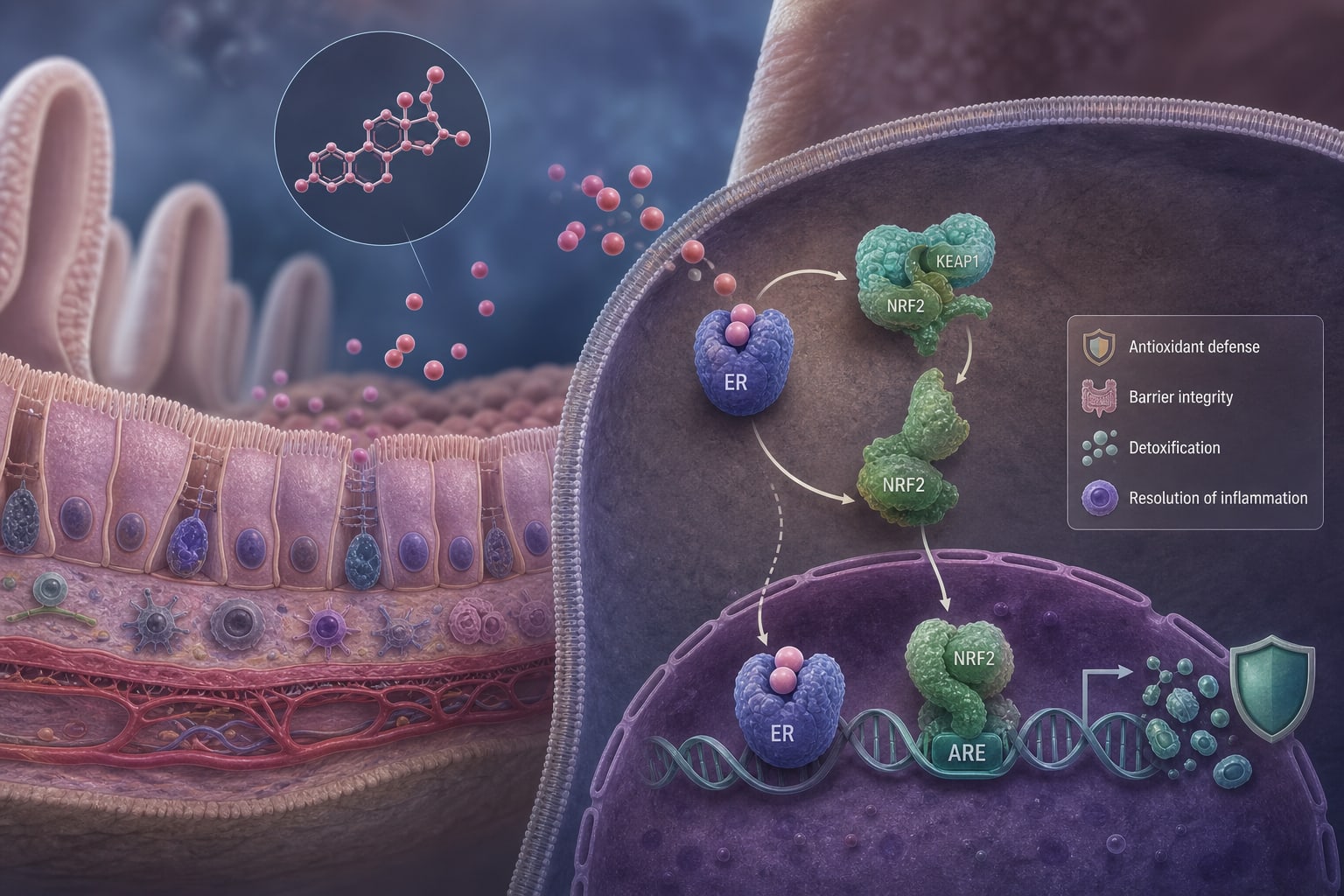
Co-metabolites from Host and Microbiota: Their Formation, Role in Immune Modulation, and Impact on Health and Disease
-
By
-
Ying Wang
-
Liangliang Zhao
-
Ying Zou
-
Lili Nie
-
July 3, 2026
Clinical Report: Co-metabolites from Host and Microbiota: Their Formation, Role in Immune Modulation, and Impact on Health and Disease
Overview
This review discusses host-microbial co-metabolites, their formation through enzymatic transformations by both gut microbiota and host tissues, and their implications in various diseases, including inflammatory bowel disease, metabolic disorders, cardiovascular disease, kidney disease, neurological disorders, and cancer. Dysregulation of these co-metabolites is linked to chronic inflammation and several health conditions.
Background
The human microbiome plays a crucial role in metabolic signaling and immune modulation, impacting host physiology beyond the gastrointestinal tract. Understanding host-microbial co-metabolites is essential as their dysregulation can contribute to chronic diseases such as obesity, cardiovascular disease, diabetes, kidney disease, and neuroinflammatory disorders. This review aims to synthesize knowledge on the biogenesis, mechanisms, and clinical relevance of these metabolites.
Data Highlights
No numerical data or trial results were provided in the source material.
Key Findings
- Host-microbial co-metabolites are defined as small bioactive molecules requiring enzymatic collaboration from both host and microbiota.
- Examples of co-metabolites include secondary bile acids, TMAO, indoxyl sulfate, p-cresyl sulfate, phenylacetylglutamine, and hippurate.
- Dysregulation of co-metabolite production is associated with chronic low-grade inflammation and various diseases.
- Co-metabolites influence immune modulation, mitochondrial function, and systemic metabolic regulation.
- Microbial and host enzymes work sequentially to produce co-metabolites, highlighting the importance of their interaction in metabolic pathways.
Clinical Implications
Healthcare professionals should consider the role of host-microbial co-metabolites in the context of chronic diseases as outlined in the review. Understanding these metabolites may provide insights into disease mechanisms.
Conclusion
Host-microbial co-metabolites represent a significant area of research with implications for understanding chronic diseases and immune modulation. Further exploration of their roles may enhance clinical approaches to managing related health conditions.
Related Resources & Content
- Frontiers in Immunology, Editorial: Host-microbe immunometabolic chat: a new era of organismal communication
- Endocrine Reviews, Postbiotic Impact on Host Metabolism and Immunity Provides Therapeutic Potential in Metabolic Disease
- Frontiers in Immunology, Microbiome-orchestrated cross-organ immunity in autoimmunity: from metabolites to therapeutic targets
- Frontiers in Immunology, Mechanisms and therapeutic advances of gut metabolites in the regulation of neuroimmune inflammatory diseases
- 2026 Guideline for the Prevention, Detection, Evaluation, and Management of CKM Syndrome - American Heart Association
- Trimethylamine-N-oxide (TMAO) and risk of incident cardiovascular events in the multi ethnic study of Atherosclerosis - PubMed
- Transporter-Mediated Interactions Between Uremic Toxins and Drugs: A Hidden Driver of Toxicity in Chronic Kidney Disease - PubMed
- 2026 Guideline for the Prevention, Detection, Evaluation, and Management of CKM Syndrome - Professional Heart Daily | American Heart Association
- Trimethylamine-N-oxide (TMAO) and risk of incident cardiovascular events in the multi ethnic study of Atherosclerosis - PubMed
- Transporter-Mediated Interactions Between Uremic Toxins and Drugs: A Hidden Driver of Toxicity in Chronic Kidney Disease - PubMed
Based on findings from:
Host–microbial co-metabolites: from biogenesis to immunomodulation and implications for health and disease
Ying Wang, Liangliang Zhao, Ying Zou, Lili Nie. Frontiers In Immunology, 2026.
https://www.frontiersin.org/journals/immunology/articles/10.3389/fimmu.2026.1775938/full
This content is an AI-generated, fully rewritten summary based on a published scholarly article. It does not reproduce the original text and is not a substitute for the original publication. Readers are encouraged to consult the source for full context, data, and methodology.