Clinical Report: Proteomic Analysis of Small Extracellular Vesicles in Long-COVID
Overview
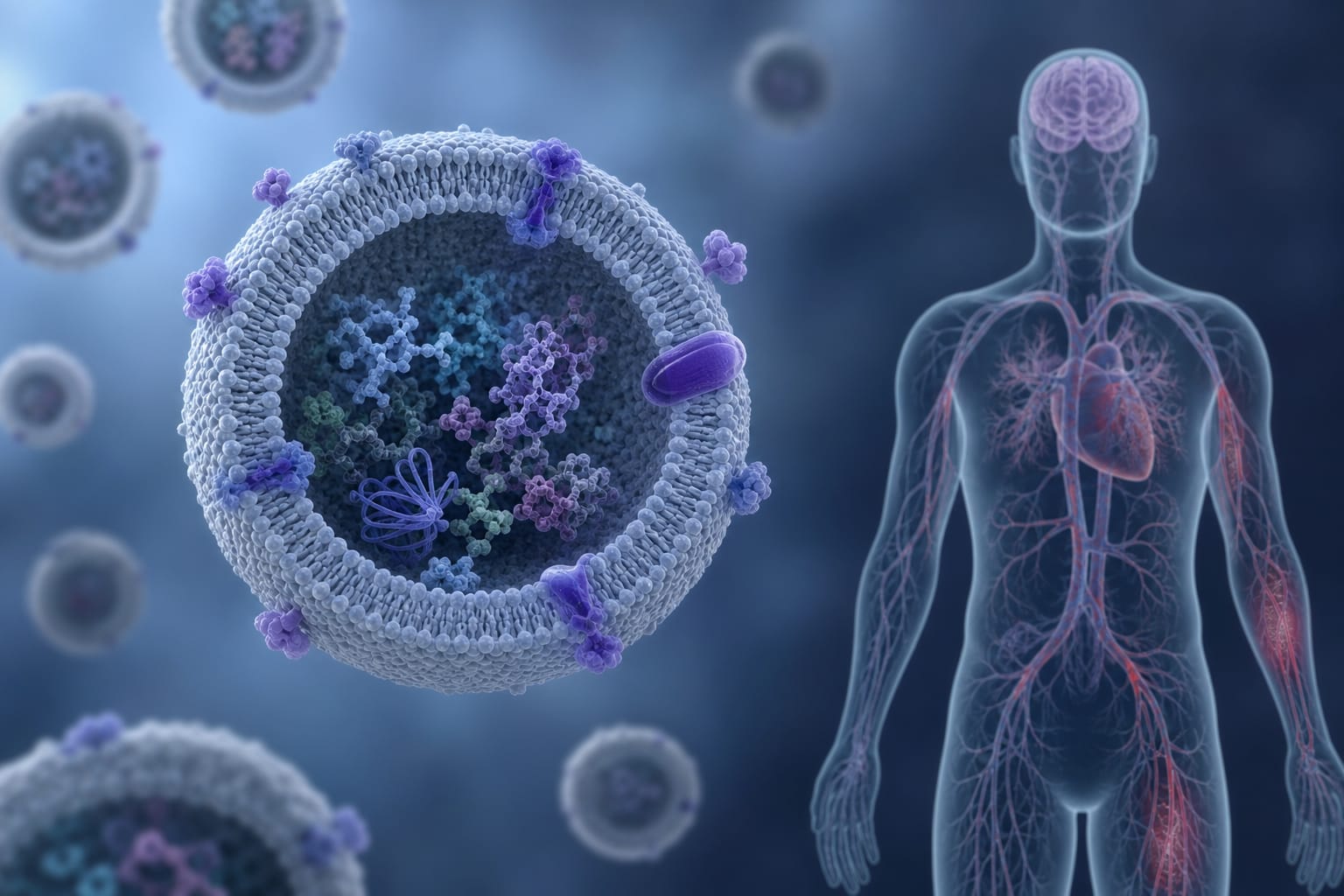
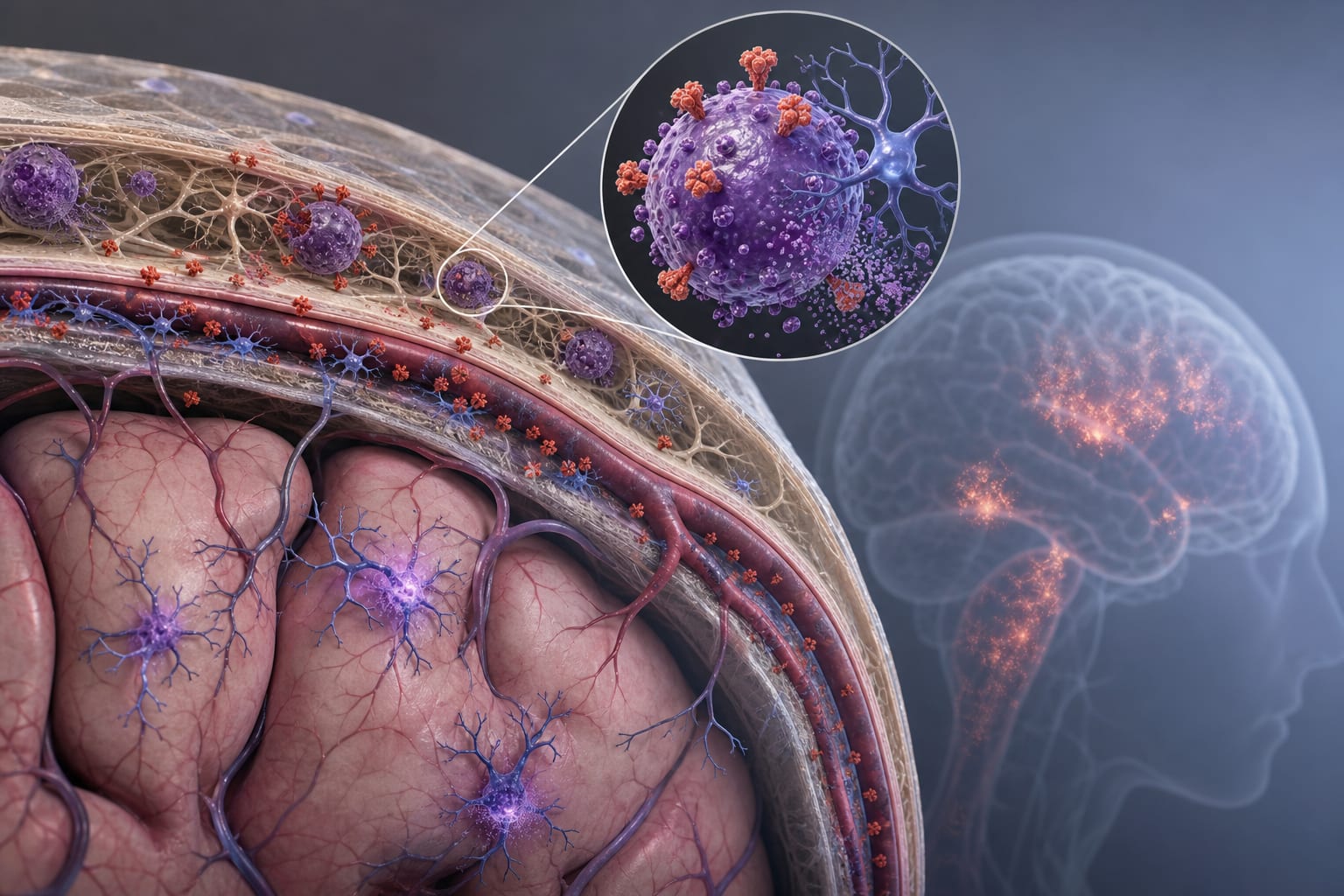
This study identifies significant proteomic alterations in small extracellular vesicles (SEVs) from individuals with Long-COVID. A total of 269 proteins were found to be dysregulated.
Background
Long-COVID, or post-acute sequelae of SARS-CoV-2 infection (PASC), affects a substantial portion of COVID-19 survivors, leading to a wide range of persistent symptoms. The identification of biomarkers is important for understanding the pathophysiology of Long-COVID.
Data Highlights
Parameter
PASC-positive (n=20)
PASC-negative (n=11)
Dysregulated Proteins
269
N/A
Upregulated Proteins
84
N/A
Downregulated Proteins
21
N/A
Key Findings
269 proteins were significantly dysregulated in PASC-positive individuals.
84 proteins were upregulated and 21 downregulated with a fold change >2 in PASC.
Pathways enriched in dysregulated proteins included coagulation, inflammation, and immune activation.
SEVs from PASC patients showed persistent increases in FN1, HGF, and IL-17RA.
Alterations in SEVs were more pronounced than in matched plasma samples.
Clinical Implications
Clinicians should consider the role of inflammatory and coagulation pathways when managing patients with persistent symptoms following COVID-19.
Conclusion
This proteomic analysis highlights the biological alterations associated with Long-COVID.