Tumor Regression Induced by Belzutifan in Sporadic Hemangioblastoma
Overview
Belzutifan, a selective HIF-2α inhibitor, demonstrated sustained tumor reduction in a sporadic CNS hemangioblastoma case, expanding its therapeutic potential beyond VHL-associated tumors. This case highlights possible HIF-2α pathway dependence in sporadic hemangioblastomas without detectable VHL mutations.
Background
Hemangioblastomas (HBs) are rare, WHO grade 1 vascular tumors primarily affecting the CNS, occurring sporadically or in association with von Hippel-Lindau (VHL) disease. VHL disease involves multi-organ tumor susceptibility driven by VHL gene inactivation, leading to HIF-2α accumulation and tumorigenesis. Belzutifan, a second-generation HIF-2α inhibitor, has shown efficacy in VHL-associated tumors, including CNS HBs. However, its role in sporadic HBs lacking VHL alterations has not been previously reported.
Data Highlights
In the LITESPARK-004 trial, belzutifan achieved objective response rates of 44–76% and a median disease control rate of 90% in CNS hemangioblastomas associated with VHL disease. The reported case involved a 65-year-old man with a sporadic right trigeminal nerve hemangioblastoma showing progressive symptoms and tumor growth despite prior radiosurgery and partial resection. Treatment with belzutifan led to sustained tumor regression, suggesting efficacy in sporadic cases.
Key Findings
Hemangioblastomas are predominantly benign, vascular-rich CNS tumors occurring sporadically or with VHL disease.
VHL gene inactivation leads to HIF-2α accumulation, driving tumorigenesis via oncogenic transcription.
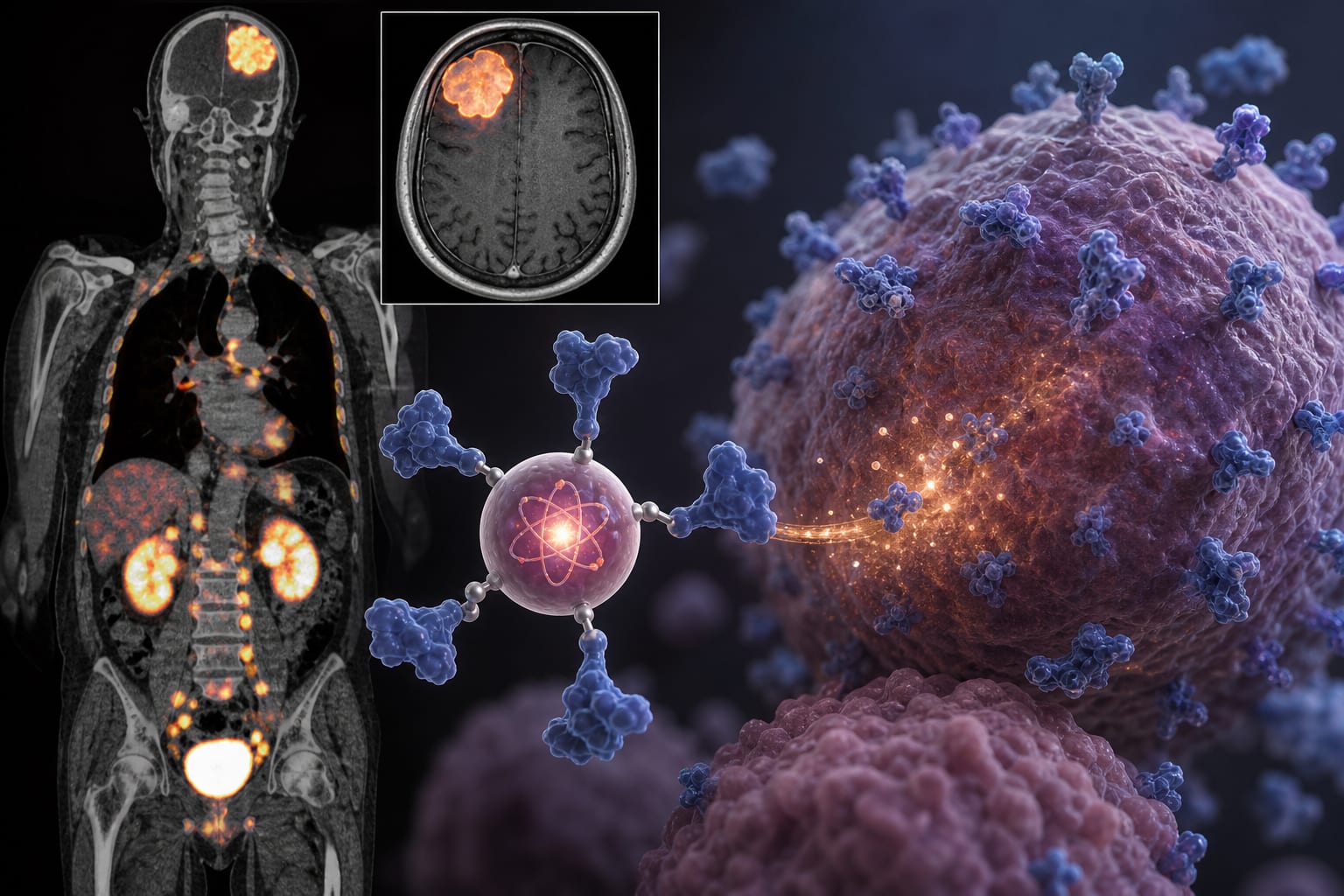
Belzutifan selectively inhibits HIF-2α, disrupting its dimerization with HIF-1β and downstream oncogenic signaling.
FDA-approved for VHL-associated tumors, belzutifan shows high response and disease control rates in CNS hemangioblastomas.
This is the first reported case of belzutifan-induced tumor regression in a sporadic hemangioblastoma lacking VHL mutations.
Findings suggest HIF-2α pathway dependence may exist in sporadic hemangioblastomas, expanding therapeutic indications.
Clinical Implications
Belzutifan may represent a promising systemic therapy option for sporadic CNS hemangioblastomas, especially when surgical resection is incomplete or tumor progression occurs. Clinicians should consider HIF-2α pathway targeting even in the absence of identifiable VHL mutations, potentially broadening treatment strategies for these rare tumors.
Conclusion
This case report supports the efficacy of belzutifan in sporadic hemangioblastoma, indicating that HIF-2α inhibition can induce tumor regression beyond VHL-associated disease. Further studies are warranted to explore belzutifan’s role in sporadic CNS hemangioblastomas.
References
Lonser et al. 2021 -- Belzutifan in VHL-associated tumors
LITESPARK-004 Trial Data 2021 -- Belzutifan efficacy in CNS hemangioblastomas
WHO Classification of CNS Tumors 2021 -- Hemangioblastoma overview
by Rebekka E. Hooks, Niket Yadav, Mark Willy L. Mondia, Georgios Mantziaris, Alaa Saleh, Anna Vi Jones, Matthew McCord, Melike Mut, Ashok R. Asthagiri, Benjamin W. Purow