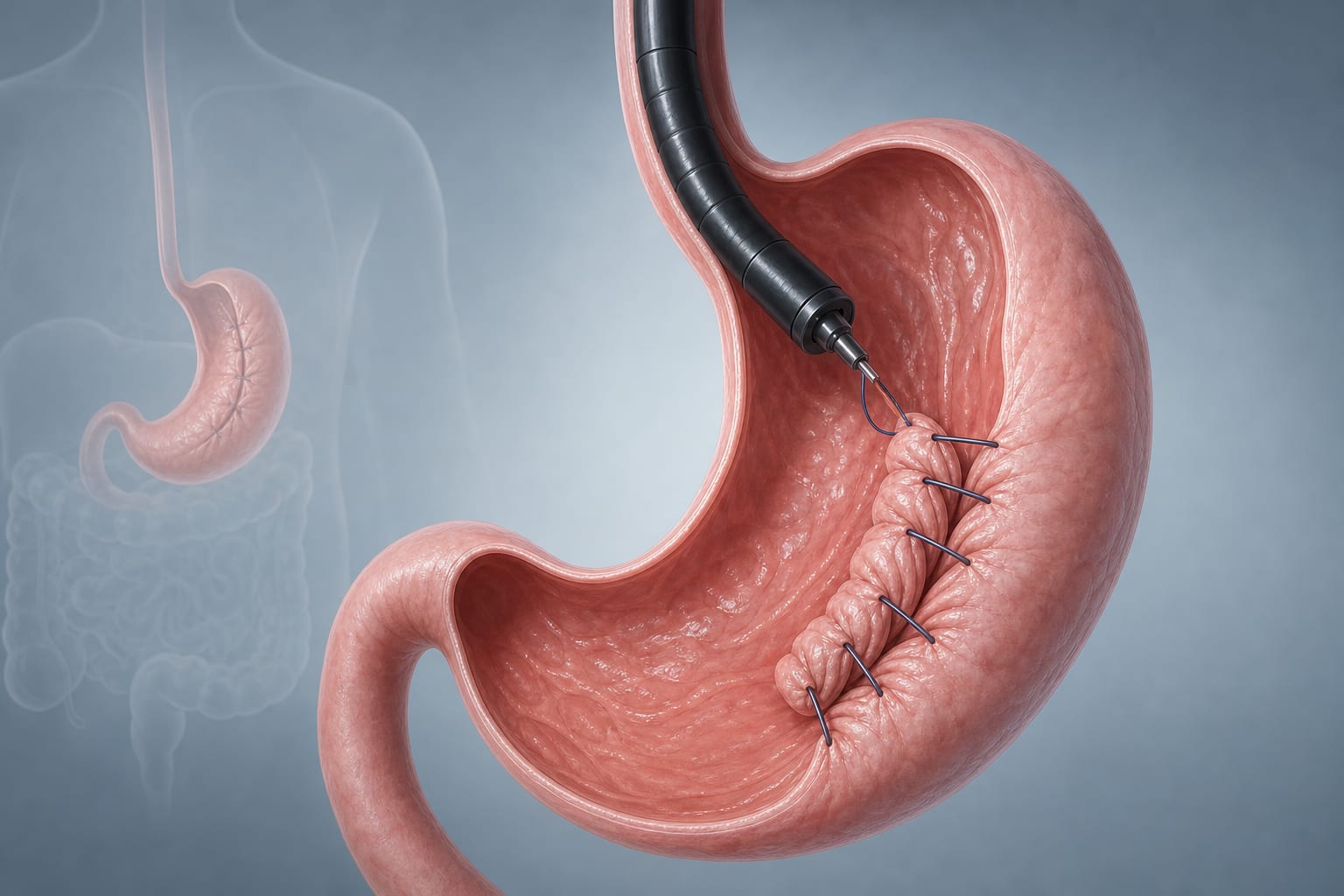
Clinical Report: Trends Over Time in Endoscopic Sleeve Gastroplasty
Background
The obesity epidemic affects nearly 40% of adults in the United States, with bariatric surgery being the most effective treatment option. However, only a small percentage of eligible patients undergo such procedures due to various barriers. Endoscopic sleeve gastroplasty (ESG) has emerged as a less invasive alternative.
Data Highlights
This study retrospectively analyzed ESG procedures from 2020 to 2023, capturing data from over 950 centers in the MBSAQIP registry.
Key Findings
ESG is increasingly adopted as a treatment for obesity.
The study evaluated patient demographics, including sex, age, race, and pre-procedural BMI.
30-day post-procedural adverse events were documented, including pneumonia, pulmonary embolism, and gastrointestinal complications.
Data integrity audits ensured a standardized approach to data collection across participating centers.
Patient comorbidities such as diabetes and hypertension were recorded.
Clinical Implications
The growing adoption of ESG highlights its role as a viable treatment option for obesity, especially for patients who may face challenges with traditional bariatric surgery. Understanding patient characteristics and potential adverse events can aid in pre-procedural counseling and risk assessment.
Conclusion
The analysis of ESG trends provides valuable insights into its increasing use and safety profile, contributing to the evolving landscape of obesity treatment options.
Roxana Moayer, MD, is a plastic and reconstructive surgeon with Keck Medicine of USC who specializes in facial surgery and treatment of facial nerve disorders.