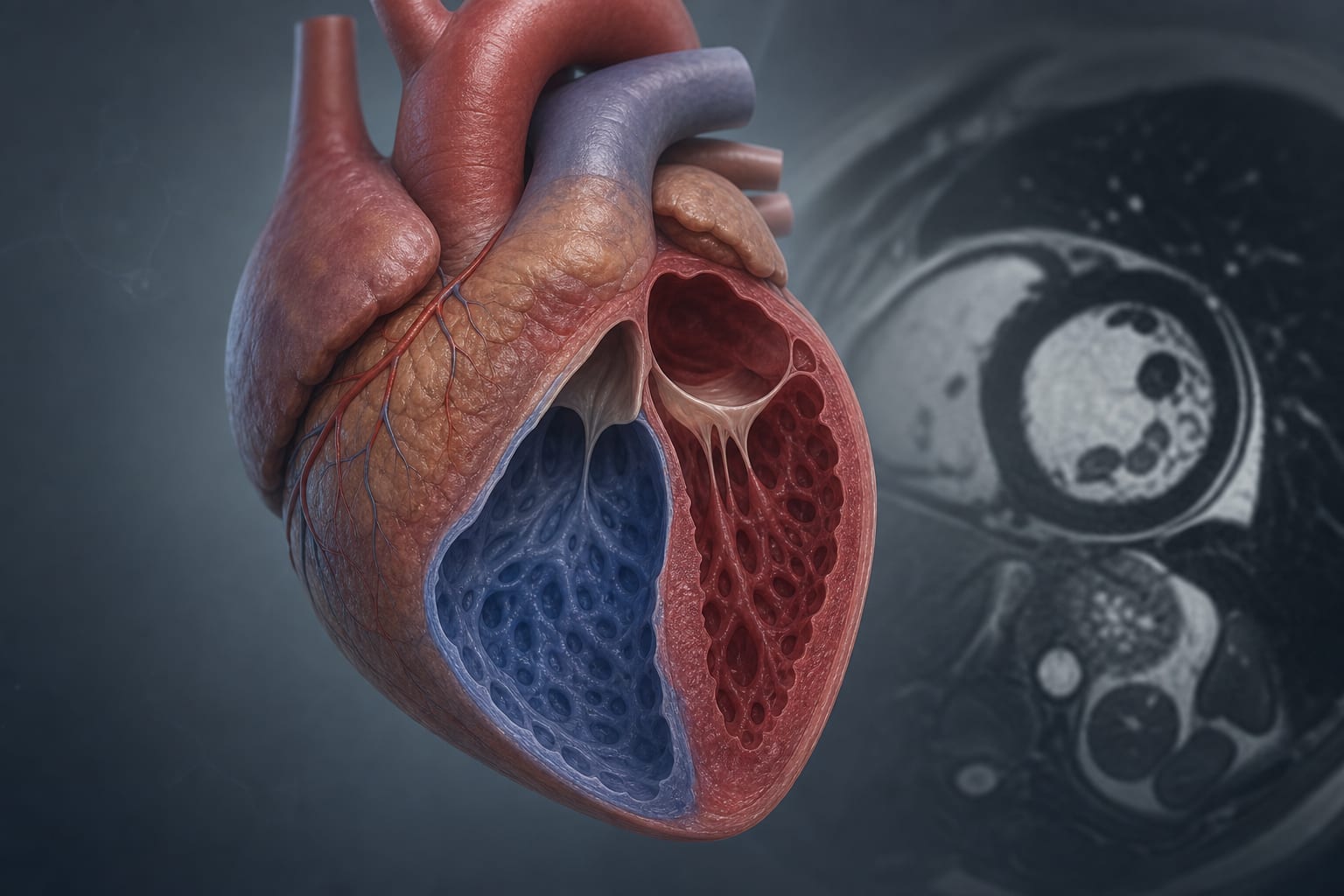
Clinical Report: Fatal Eucalyptus Oil Poisoning in an Adult Male
Overview
A 36-year-old male experienced fatal poisoning after ingesting 15 mL of eucalyptus oil, leading to rapid neurological and cardiac deterioration. The primary toxic component, 1,8-cineole, caused severe systemic damage, highlighting the dangers of essential oil ingestion.
Background
The ingestion of essential oils, often perceived as safe due to their natural origin, can lead to severe toxicity and even death. Eucalyptus oil, in particular, contains 1,8-cineole, which has been associated with rapid neurotoxicity and multi-organ failure. Understanding the clinical implications of such poisonings is critical for timely and effective management in emergency settings.
Data Highlights
No numerical data available in the article.
Key Findings
A 36-year-old male ingested 15 mL of eucalyptus oil, leading to seizures and cardiac arrest.
Despite resuscitation efforts, the patient deteriorated and was declared dead within hours.
Autopsy revealed extensive damage to the gastrointestinal tract and kidneys, but the heart and brain showed no structural damage.
Lethal doses of eucalyptus oil are typically cited as 30 to 45 mL, yet this case demonstrates that 15 mL can be fatal.
No antidote exists for eucalyptus oil poisoning; early airway management and seizure control are crucial.
Clinical Implications
Healthcare providers should maintain a low threshold for monitoring and airway protection in cases of eucalyptus oil ingestion, especially at doses as low as 5 mL. Supportive care, including seizure management with benzodiazepines, is essential, given the rapid onset of severe toxicity.
Conclusion
This case underscores the potential dangers of essential oil ingestion and the need for heightened awareness and prompt intervention in suspected poisonings.
Heart rate monitoring and atrial fibrillation detection had the strongest supporting evidence, but investigators found limited evidence for broader outpatient self-monitoring applications.