SARS-CoV-2-host and interactions: the dual roles of E3 ubiquitin ligases and ubiquitin-like modification mechanisms in viral infection - Report - MDSpire
Conexiant’s news site is now MDSpire News. Learn more
Advertisement
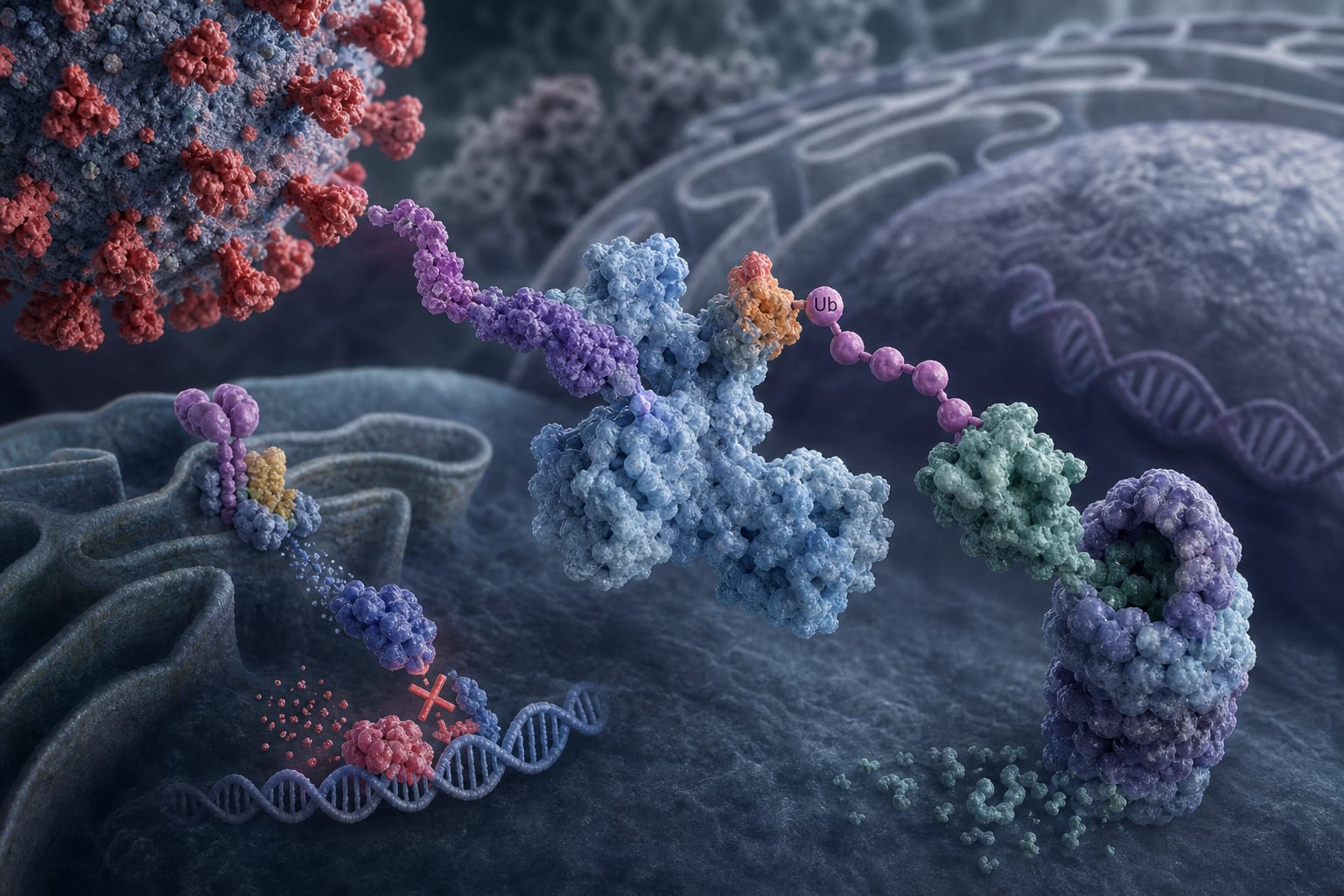
Interactions Between SARS-CoV-2 and Host Cells: The Critical Functions of E3 Ubiquitin Ligases and Ubiquitin-Like Modification Pathways in Viral Pathogenesis
Interactions Between SARS-CoV-2 and Host Cells: E3 Ubiquitin Ligases
Overview
This report highlights the critical role of E3 ubiquitin ligases in the interactions between SARS-CoV-2 and host cells, emphasizing their influence on viral replication and immune evasion. Understanding these mechanisms may provide new therapeutic targets for antiviral strategies.
Background
The COVID-19 pandemic, caused by SARS-CoV-2, has underscored the need for effective therapeutic strategies due to the virus's high mutability and immune evasion capabilities. E3 ubiquitin ligases are essential enzymes that regulate various cellular processes, including immune responses, making them significant in the context of viral pathogenesis. Targeting these host pathways may offer a novel approach to combatting SARS-CoV-2 infections.
Data Highlights
No specific numerical data or trial results were provided in the source material.
Key Findings
E3 ubiquitin ligases are crucial for modulating viral replication and immune responses during SARS-CoV-2 infection.
Host E3 ligases can target viral proteins for degradation, influencing the viral life cycle.
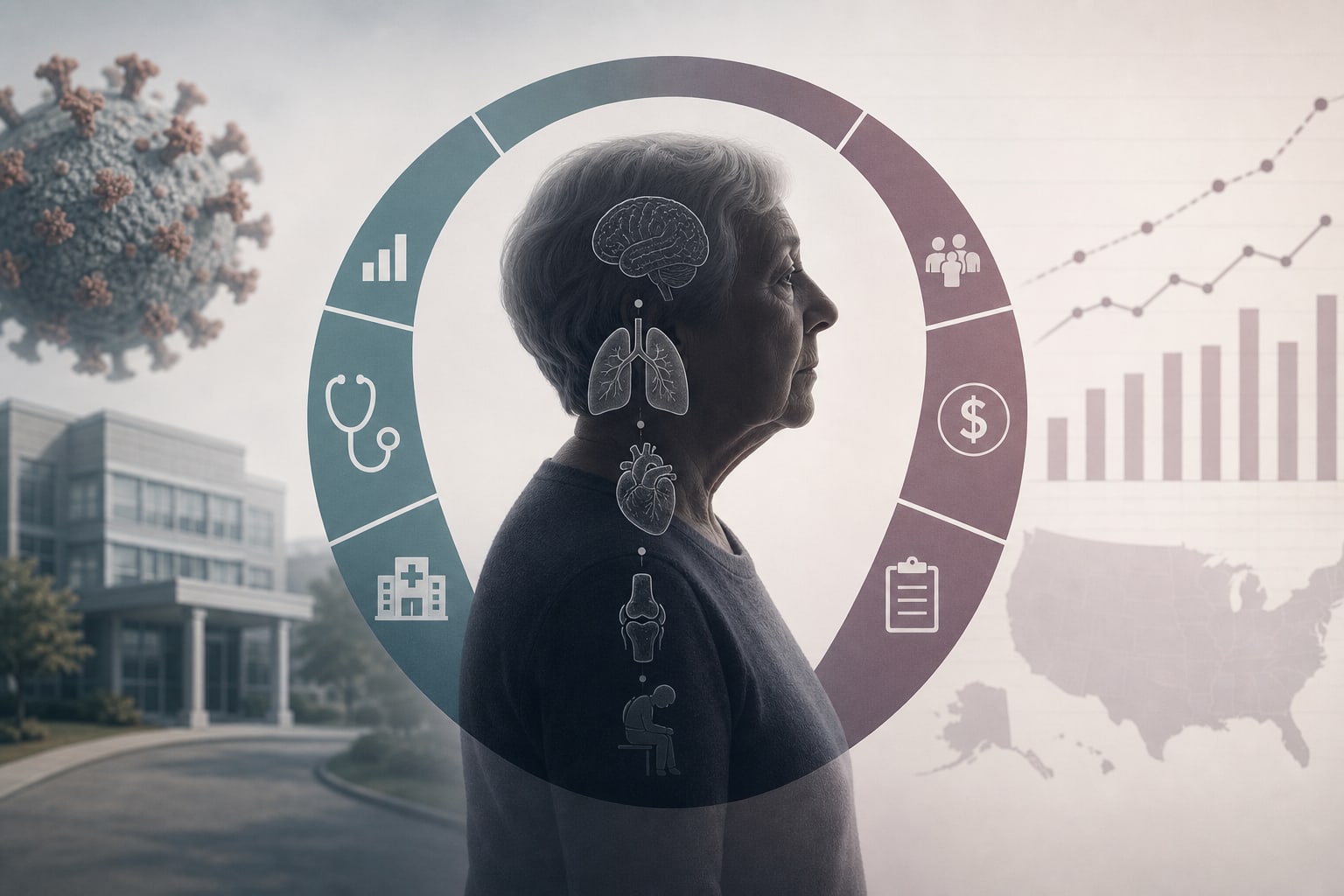
Differential expression of E3 ligases in various tissues may affect the severity of COVID-19 and Long COVID.
Understanding the interplay between antiviral and proviral E3 ligases is essential for developing targeted therapies.
Clinical Implications
Clinicians should consider the role of E3 ubiquitin ligases in the pathogenesis of COVID-19 when evaluating treatment strategies. Targeting these ligases may provide new avenues for antiviral therapies, particularly in patients with severe disease or those at risk of long-term complications.
Conclusion
The interactions between SARS-CoV-2 and host E3 ubiquitin ligases represent a critical area of research that could lead to innovative therapeutic strategies. Further studies are needed to elucidate these complex networks and their implications for COVID-19 management.
Brazilian pediatric intensive care unit study found underweight status was associated with respiratory complications, longer hospitalization, and mortality among critically ill patients with COVID-19.