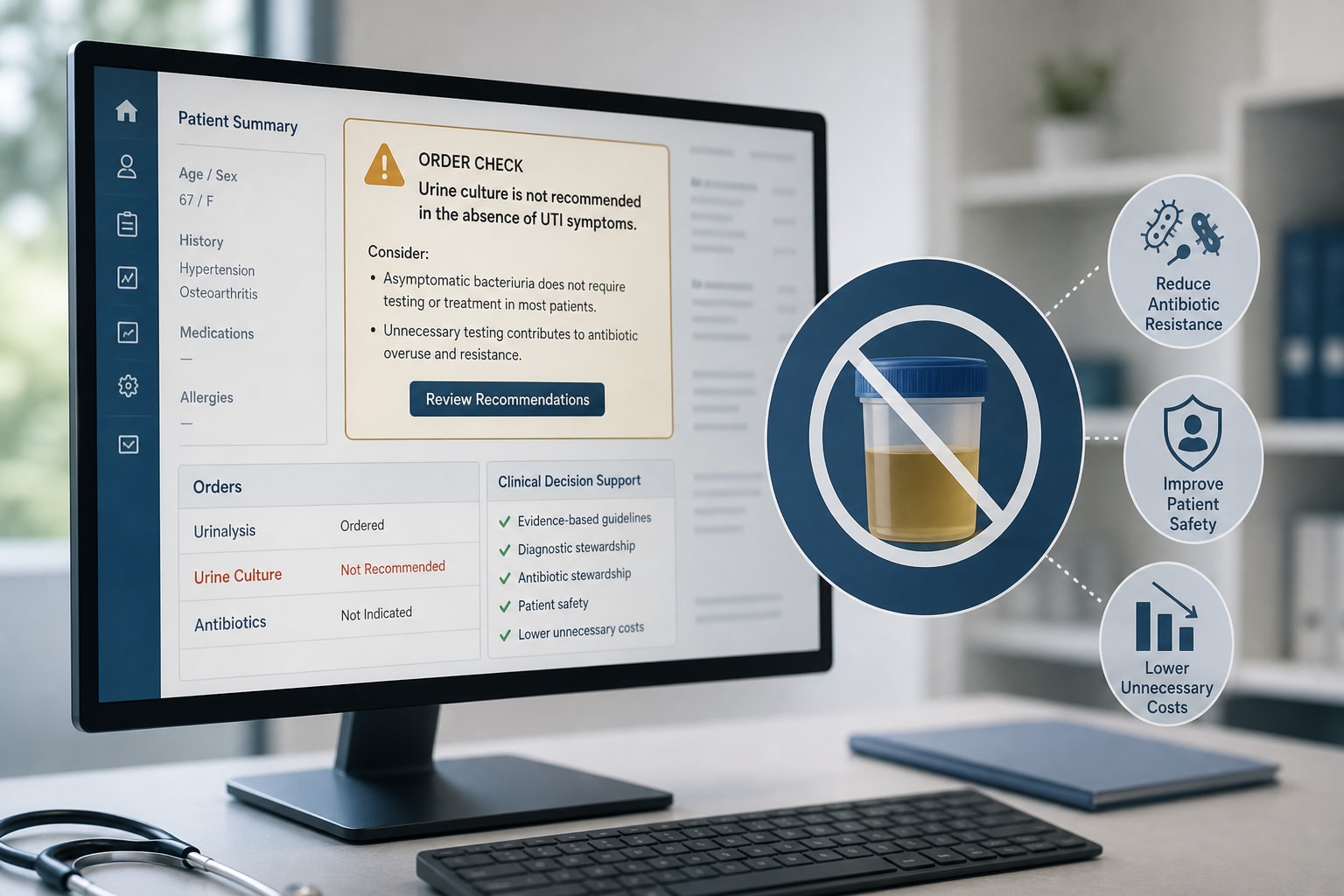
Implementing Structural Changes to Curb Unnecessary Diagnostic Testing by Physicians
Background
The overutilization of diagnostic tests in American medicine poses significant risks, including unnecessary treatments and increased healthcare costs. Diagnostic stewardship aims to optimize test usage, ensuring that tests are ordered based on clinical necessity rather than habit.
Data Highlights
Metric
Before Intervention
After Intervention
Percentage of patients with positive urine cultures treated unnecessarily
29%
17%
Key Findings
In Michigan, structural changes in test ordering led to a decrease in inappropriate treatment from 29% to 17%.
Clinical Implications
Healthcare providers should consider implementing diagnostic stewardship to enhance the appropriateness of testing and reduce unnecessary treatments. Structural changes in test ordering can lead to significant improvements in patient care and cost savings.
Conclusion
The findings highlight the importance of diagnostic stewardship in optimizing test utilization and improving patient outcomes. A systematic approach is necessary to address the challenges of over-testing in healthcare.