Research progress on debridement, antibiotics, and implant retention (DAIR) for the treatment of periprosthetic joint infection after artificial joint replacement - Report - MDSpire
Conexiant’s news site is now MDSpire News. Learn more
Advertisement
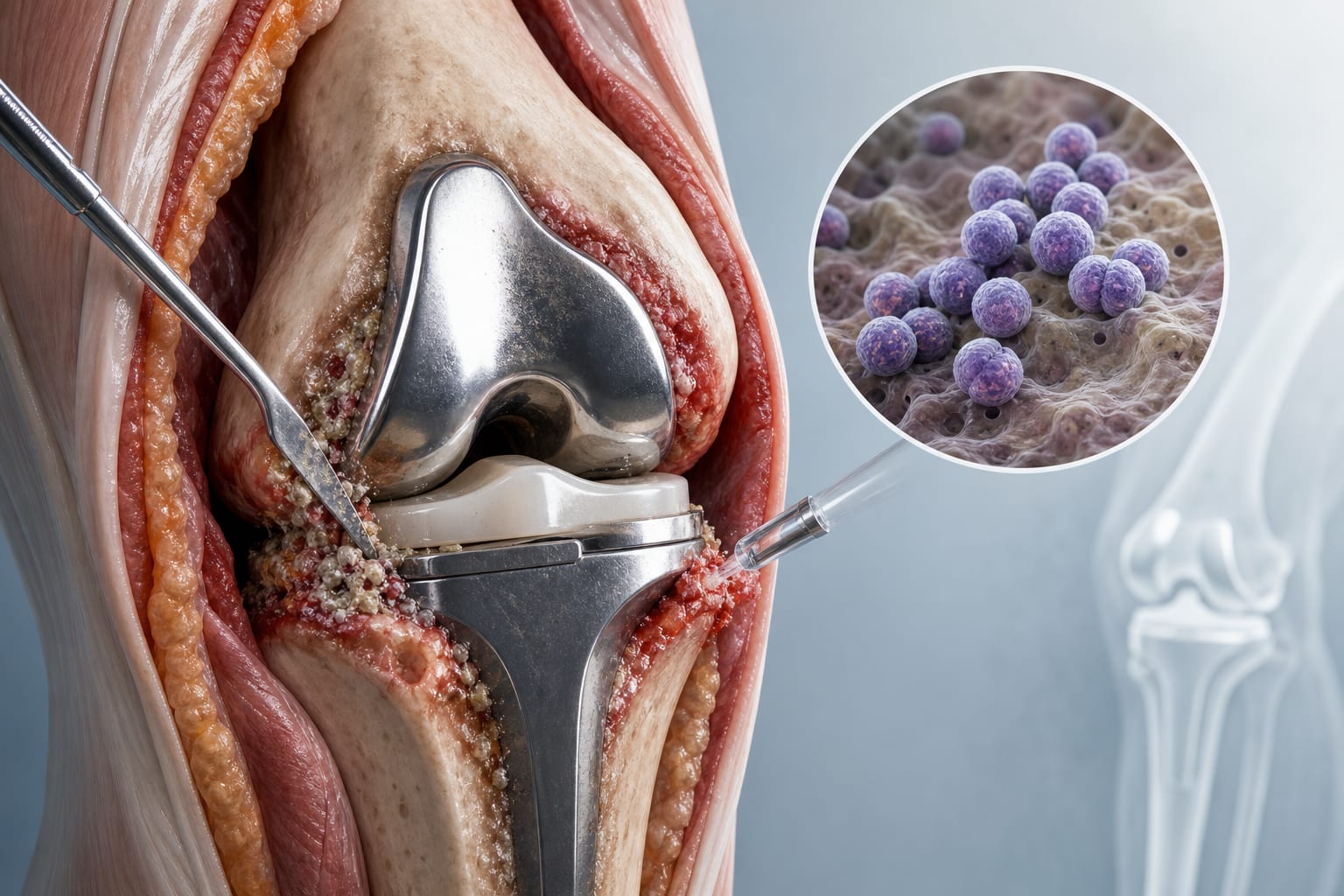
Advancements in Debridement, Antibiotic Therapy, and Implant Preservation (DAIR) for Managing Periprosthetic Joint Infections Following Joint Replacement Surgery
Clinical Report: Advancements in DAIR for Managing Periprosthetic Joint Infections
Background
Periprosthetic joint infection (PJI) is a serious complication following total hip and knee arthroplasty, affecting 1% to 2% of patients. The DAIR procedure has emerged as a preferred treatment for acute postoperative and hematogenous PJIs due to its minimally invasive nature. Understanding the factors influencing DAIR outcomes is essential for optimizing patient care.
Data Highlights
No specific numerical data provided in the source material.
Key Findings
DAIR is most effective when performed within 90 days post-surgery.
Delays beyond one month significantly reduce the success rate of DAIR.
Patient-related factors, such as obesity and diabetes, impact the risk of PJI.
Preoperative optimization of systemic conditions is crucial for improving DAIR outcomes.
International guidelines recommend DAIR for acute PJI with symptom duration of less than 4 weeks and stable implants.
Clinical Implications
Timely diagnosis and intervention are critical for the success of DAIR in treating PJI.
Conclusion
DAIR remains a strategy for managing PJI, with its effectiveness largely dependent on timely intervention.
In a UK cohort, patients with osteoarthritis who initiated centrally acting analgesics had a higher hazard of knee or hip replacement than those who initiated SSRIs, though residual confounding by pain severity remains a key limitation.