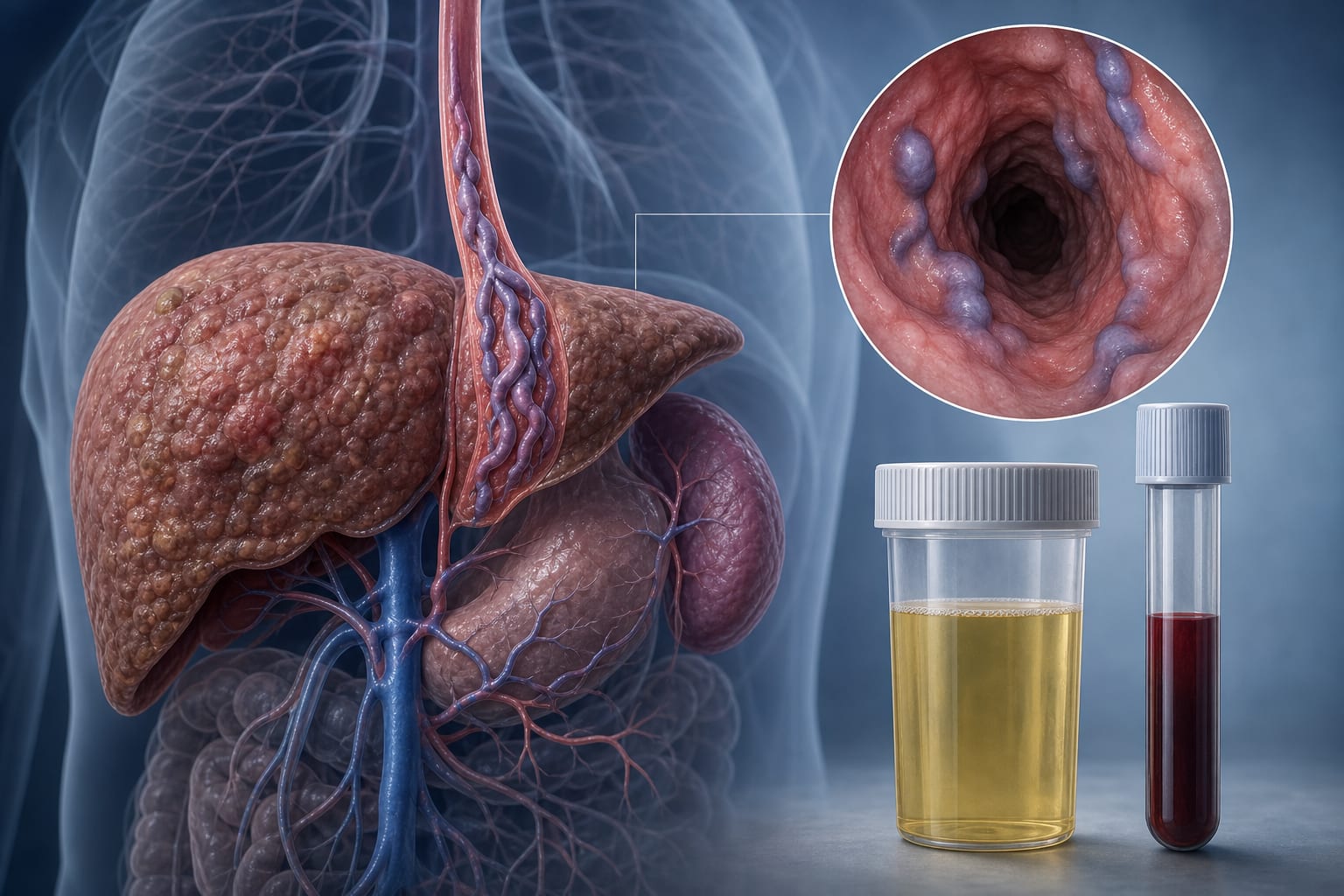
Clinical Report: Liver Injury Related to Sepsis: Transitioning from Liver Function Test Indicators to Precision Medicine Informed by Immunobiology
Overview
Sepsis-associated liver injury (SALI) occurs in 34–46% of septic patients, manifesting through various liver-test abnormalities. Recent research highlights the role of gut-liver crosstalk and immune dysregulation in SALI.
Background
SALI represents a significant clinical challenge, complicating the management of sepsis and associated with increased morbidity and mortality. Understanding the mechanisms underlying SALI is crucial for developing targeted therapies. Current liver function tests may not adequately reflect the complexity of liver injury in septic patients.
Data Highlights
No numerical data available in the source material.
Key Findings
SALI is identified through liver-test abnormalities, indicating various underlying pathobiological processes.
Gut-primed neutrophils contribute to hepatic injury during sepsis via NET formation and activation of Kupffer cells.
Loss of hepatic immune tolerance during sepsis leads to increased inflammation.
Clinical evidence supports the role of NET formation and Kupffer cell activation in SALI.
Current definitions and epidemiology of SALI are heterogeneous, lacking universally accepted case definitions.
Clinical Implications
Healthcare professionals should consider the multifactorial nature of SALI when interpreting liver function tests in septic patients.
Conclusion
SALI is a complex syndrome that requires a comprehensive understanding of its biological underpinnings.