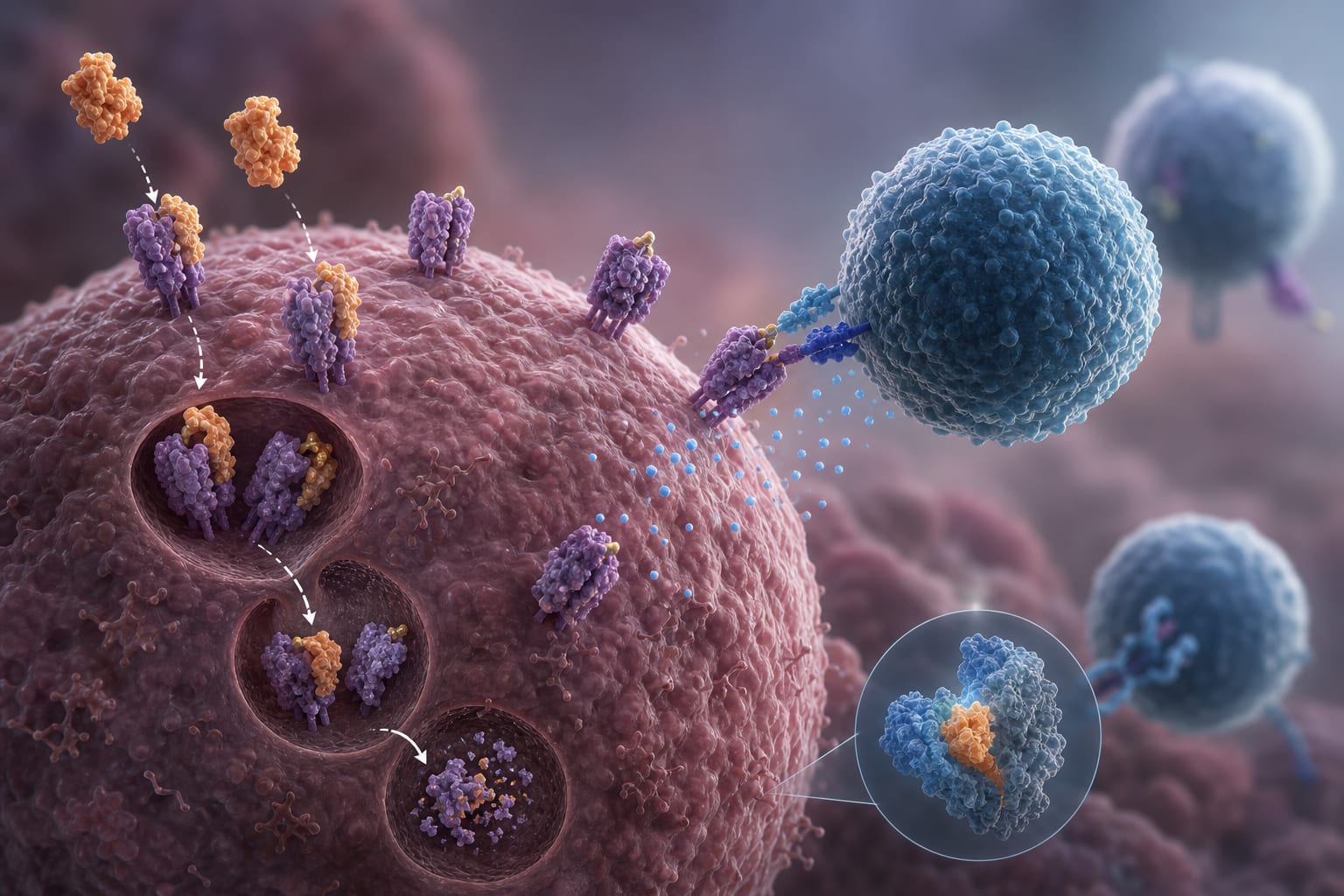
Clinical Report: Exploring MMP14 as a Prognostic and Immune Biomarker in Lung Cancer
Overview
Revise to include specific mechanisms of MMP14 in immune evasion and tumor invasion.
Background
Lung cancer remains a leading cause of cancer-related mortality, with non-small cell lung cancer (NSCLC) being the most prevalent subtype. Despite advancements in treatment, challenges such as chemotherapy resistance and tumor recurrence persist, highlighting the need for novel biomarkers to improve prognostic accuracy and treatment strategies. MMP14, a matrix metalloproteinase, has been implicated in cancer progression and may provide insights into the tumor microenvironment.
Data Highlights
No numerical data available in the provided source material.
Key Findings
MMP14 is significantly downregulated in NSCLC cell lines with low NSUN2 expression.
High levels of MMP14 are associated with poor prognosis in various cancers, including lung cancer.
MMP14 plays a crucial role in tumor invasion, metastasis, and immune evasion.
Epigenetic modifications, particularly RNA methylation, may regulate MMP14 expression.
Current clinical guidelines do not include MMP14 in routine biomarker testing for NSCLC.
Clinical Implications
The identification of MMP14 as a potential biomarker underscores the importance of exploring epigenetic modifications in cancer. Clinicians may consider MMP14 levels when assessing tumor behavior and tailoring treatment strategies, particularly in advanced stages of lung cancer.
Conclusion
MMP14 presents a promising avenue for further research as a prognostic and immune biomarker in lung cancer, potentially enhancing precision oncology approaches. Continued exploration of its regulatory mechanisms may lead to improved therapeutic targets.