Clinical Report: ISC Tube 2026 Winner
Overview
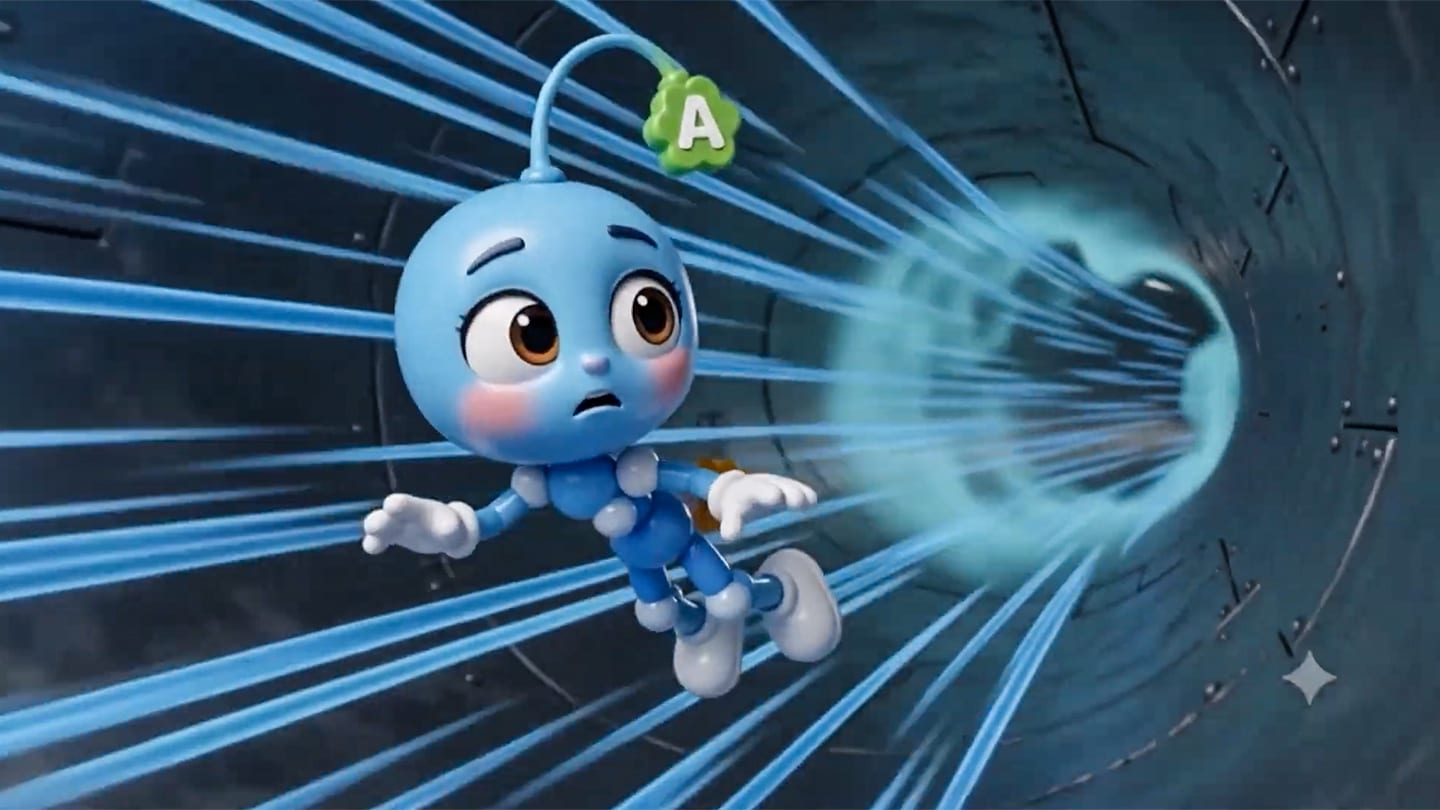
University of Geneva researchers Jonathan Maurer and Megane Aebischer won first place in the ISC Tube 2026 competition with a short video explaining oligonucleotide retention in hydrophilic interaction liquid chromatography (HILIC). They used generative AI tools and simple editing software to create the video in about six hours, despite having no prior video-production experience.
Background
HILIC is a chromatographic technique, and the winning video focused on explaining how oligonucleotides are retained using this method. The ISC Tube competition invites scientists to communicate chromatography through short, creative videos, with winners selected by live audience voting. The 2026 competition took place during the 35th International Symposium on Chromatography in Prague on September 6–10. The researchers said their group works on oligonucleotide retention in HILIC, which prompted them to enter.
Data Highlights
| Item | Reported detail |
|---|---|
| Competition | ISC Tube 2026 |
| Result | First place |
| Researchers | Jonathan Maurer and Megane Aebischer, University of Geneva |
| Video subject | Oligonucleotide retention in HILIC |
| Production time | About six hours |
| Symposium dates and location | September 6–10, 2026; Prague |
Key Findings
- Maurer and Aebischer received first place in the ISC Tube 2026 competition.
- Their video aimed to explain the retention mechanism of oligonucleotides in HILIC in an entertaining way.
- The researchers had no prior experience directing, producing, or editing videos.
- They used ChatGPT to generate character images and Gemini to create sequences, using prompts and reference images to maintain consistency between scenes.
- They assembled sequences, transitions, and voice-over with simple editing software; the process took about six hours.
- The researchers identified developing ideas and jokes as the most difficult part and advised other scientists to start with an idea, some time, and motivation to try.
Clinical Implications
The article describes a science-communication project rather than a clinical study and reports no patient outcomes or treatment recommendations. Its findings concern the researchers’ approach to creating an explanatory chromatography video, not the clinical use of oligonucleotide therapeutics.
Conclusion
Maurer and Aebischer’s winning ISC Tube entry used a short, AI-assisted video to communicate oligonucleotide retention in HILIC. The researchers reported completing it in about six hours despite having no previous video-production experience.
Related Resources & Content
- The Analytical Scientist, 2026 — ISC Tube 2026 Winner: Ollie’s HILIC Adventure
- The Analytical Scientist — The Winner Takes It All
- The Analytical Scientist — Time to Slam!
- the analytical scientist — The Analytical Scientist Innovation Awards 2025: #5
- the ophthalmologist — Haag-Streit Names 2026 Slit Lamp Imaging Winners
- 2026 ACC/AHA/AACVPR/ABC/ACPM/ADA/AGS/APhA/ASPC/NLA/PCNA Guideline on the Management of Dyslipidemia: A Report of the American College of Cardiology/American Heart Association Joint Committee on Clinical Practice Guidelines | Circulation
- Eplontersen for Transthyretin Amyloid Cardiomyopathy | New England Journal of Medicine
- Novartis announces Lp(a)HORIZON Phase III topline results for pelacarsen in patients with elevated Lp(a) and established cardiovascular disease (CVD) | Novartis
Based on findings from:
ISC Tube 2026 Winner: Ollie’s HILIC Adventure
The Analytical Scientist, 2026.
https://theanalyticalscientist.com/issues/2026/articles/october/isc-tube-2026-winner-ollie-s-hilic-adventure/
This content is an AI-generated, fully rewritten summary based on a published scholarly article. It does not reproduce the original text and is not a substitute for the original publication. Readers are encouraged to consult the source for full context, data, and methodology.