Clinical Report: Molecular Changes and Clinical Approaches in Targeted Treatment of Thyroid Cancer
Overview
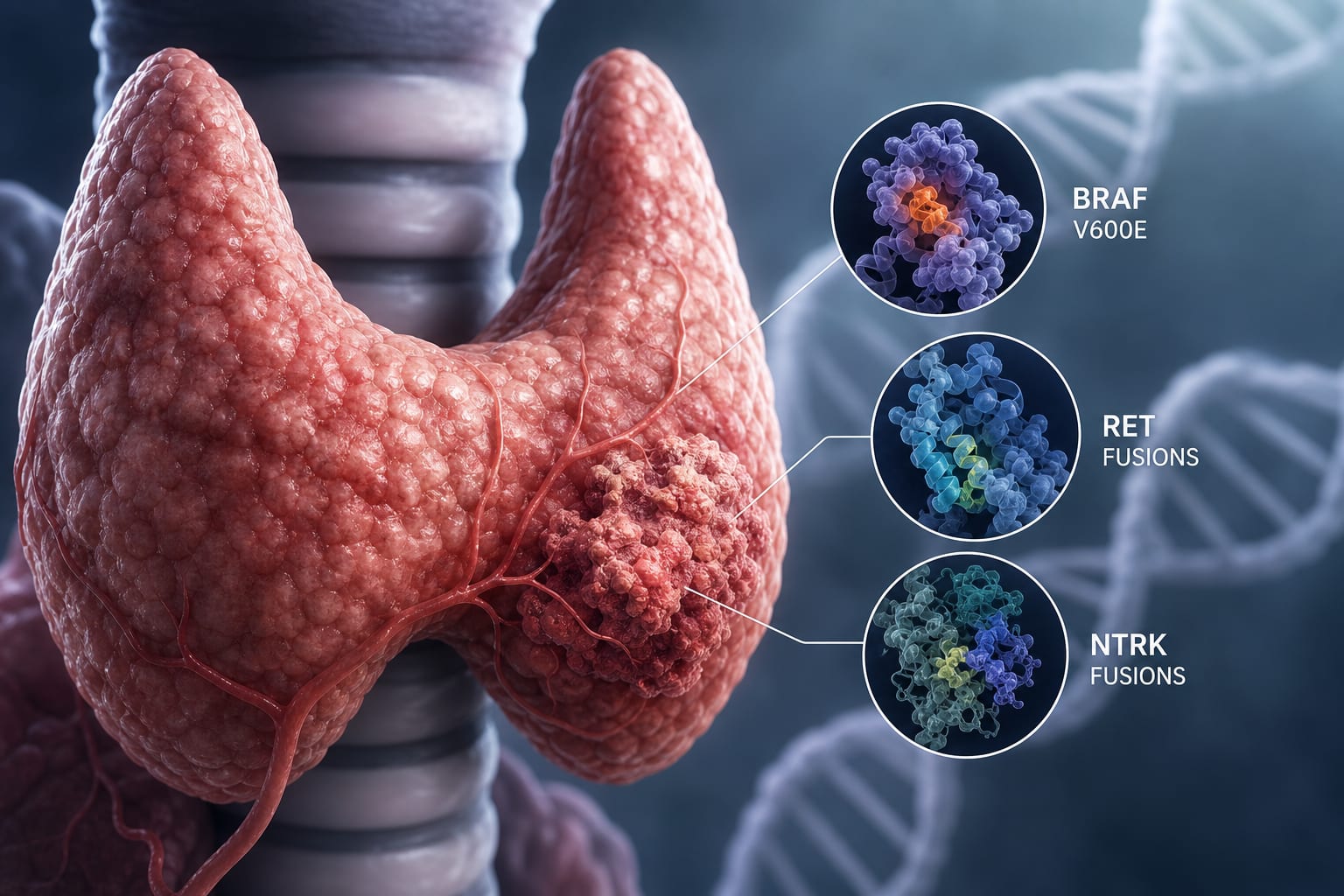
This review highlights actionable molecular alterations in thyroid cancer and the translation of molecular profiling into targeted treatment strategies for advanced disease. Key genomic drivers such as BRAF V600E and RET mutations are reshaping management approaches.
Background
Thyroid cancer is the most prevalent endocrine malignancy, with increasing incidence due to enhanced imaging techniques. While differentiated thyroid cancer (DTC) generally has a favorable prognosis, some patients face aggressive disease and treatment resistance. Understanding molecular alterations is crucial for developing targeted therapies that improve outcomes in advanced cases.
Data Highlights
No numerical data available.
Key Findings
Identification of genomic drivers like BRAF V600E and RET mutations has transformed thyroid cancer management.
BRAF/MEK inhibitors are effective for BRAF-mutant anaplastic thyroid carcinoma (ATC).
Selective RET or TRK inhibitors are recommended for fusion-positive tumors.
VEGFR-targeted multikinase inhibitors, such as lenvatinib, remain standard care for radioiodine-refractory differentiated thyroid cancer (RAIR-DTC).
Redifferentiation therapies may restore radioiodine sensitivity in resistant cases.
Emerging pathways like PI3K/AKT/mTOR and immune checkpoints are potential targets for combination therapies.
Clinical Implications
Clinicians should prioritize early and comprehensive genomic profiling to identify actionable mutations in thyroid cancer patients. This approach enables the selection of targeted therapies that can improve treatment efficacy and address resistance in advanced disease.
Conclusion
The management of thyroid cancer is evolving towards precision medicine, emphasizing molecularly matched therapies and combination strategies. Continued research into molecular targets will further enhance treatment options and patient outcomes.