Clinical Report: Cupping vs UVB: Comparable Psoriasis Outcomes?
Overview
Sliding cupping therapy demonstrated comparable short-term efficacy to narrowband ultraviolet B (NBUVB) phototherapy in patients with plaque psoriasis. Both treatments resulted in significant reductions in PASI scores without statistically significant differences between the two groups. However, the findings should be interpreted with caution due to the study's limitations, including small sample size and short follow-up duration.
Background
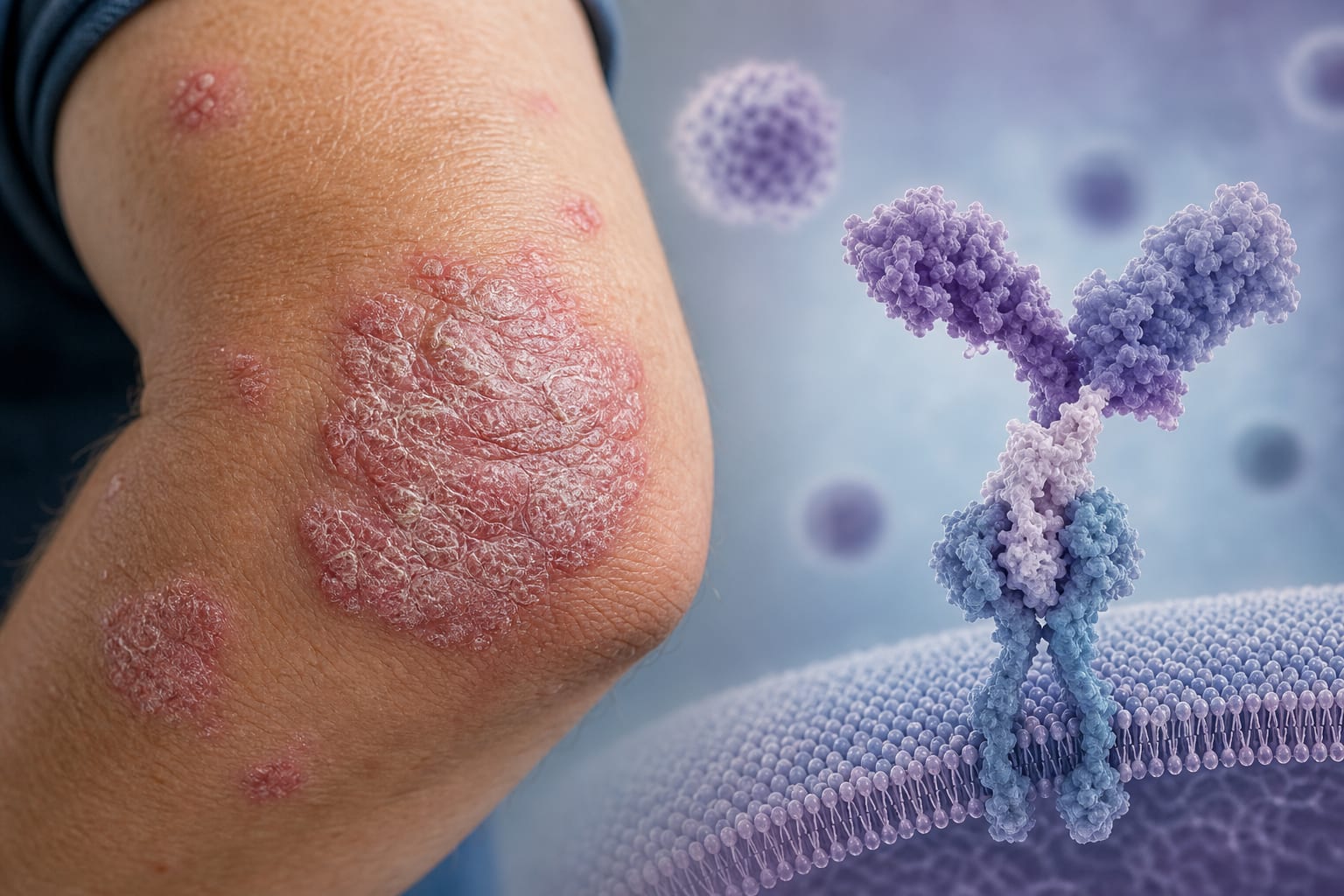
Psoriasis is a chronic inflammatory skin disease that significantly impacts patients' quality of life, affecting approximately 2-3% of the population. Traditional treatments include phototherapy, such as NBUVB, which is widely recommended for uncontrolled plaque psoriasis. Exploring alternative therapies like cupping may provide additional options for patients seeking effective treatment.
Data Highlights
Group
Mean PASI Score Reduction
% Achieving ≥30% Improvement
Cupping
62%
69%
NBUVB
67%
79%
Key Findings
Both cupping and NBUVB resulted in significant reductions in PASI scores.
No statistically significant differences were observed between the two treatment groups.
Adverse events were mild and infrequent, with no serious adverse events reported.
Quality of life improvements were noted, although patient-reported outcomes did not significantly change.
The study was limited by its small size, short follow-up duration, and lack of blinding.
Clinical Implications
Clinicians may consider sliding cupping as a viable alternative to NBUVB for patients with plaque psoriasis, especially in settings where phototherapy access is limited. However, the findings should be interpreted with caution due to the study's limitations, and further research is necessary to validate these results.
Conclusion
Sliding cupping therapy shows promise as an alternative treatment for plaque psoriasis, yielding outcomes comparable to NBUVB. However, further research is necessary to confirm these findings and explore the long-term efficacy of cupping, as the current study's limitations warrant cautious interpretation.
Federal prosecutors allege that a Florida physician and research staff fabricated clinical trial records that were submitted into database systems used to evaluate investigational drugs.