Evaluation of Three Advanced Language Models for Identifying Ophthalmic Assessments and Assisting in Preoperative Toric IOL Planning - Report - MDSpire
Clinical Report: Evaluation of Three Advanced Language Models for Identifying Ophthalmic Assessments
Overview
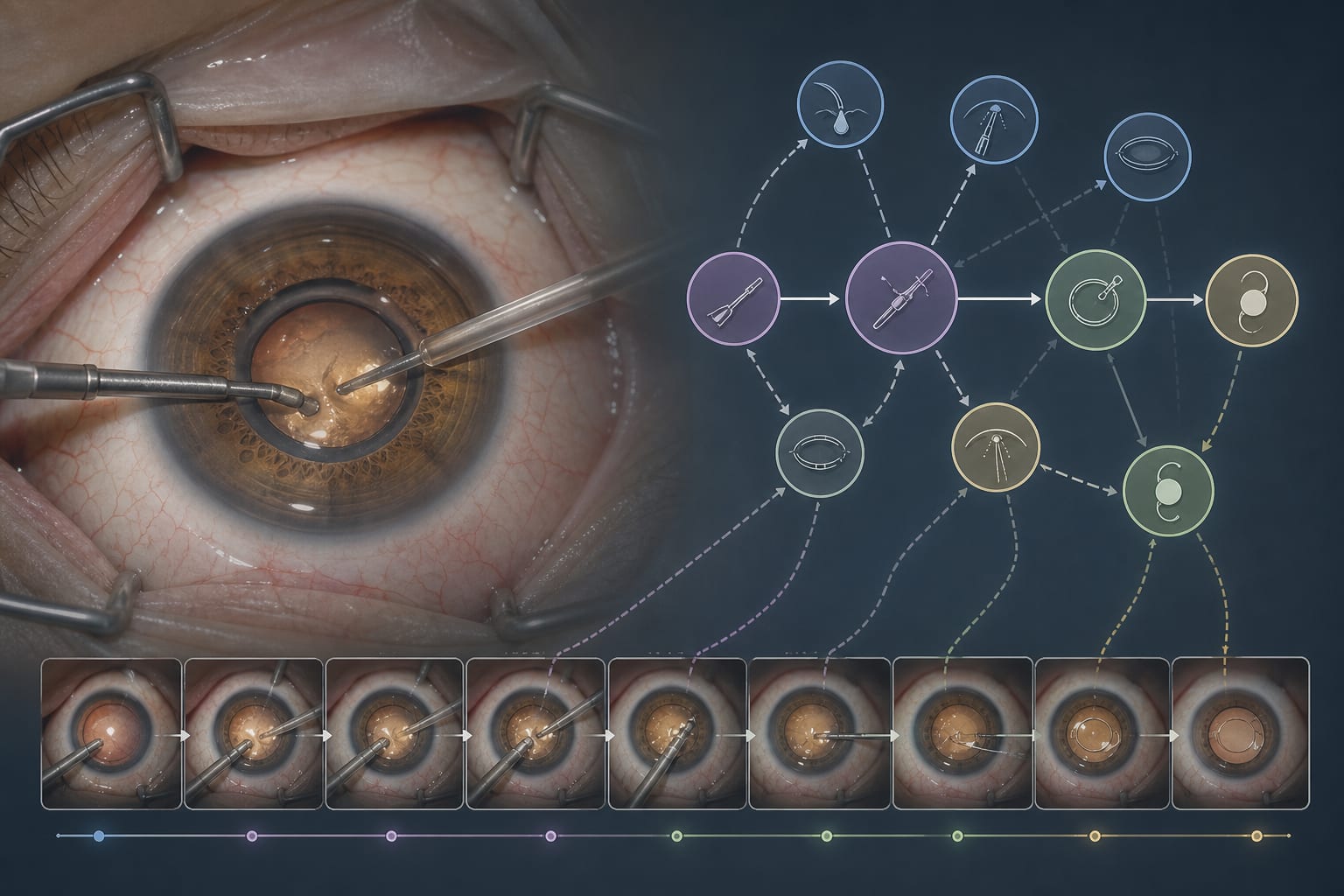
This study evaluates the accuracy of three advanced language models (LLMs) in identifying biometric parameters and assisting in preoperative toric intraocular lens (IOL) planning for cataract surgery. The findings suggest that LLMs can enhance workflow efficiency and reduce human error in the planning process.
Background
Cataract surgery is the most frequently performed surgical procedure globally, with increasing patient expectations for optimal visual outcomes. Accurate preoperative assessments are crucial, particularly in patients with corneal astigmatism, where toric IOLs can significantly improve postoperative vision. The integration of automated technologies, such as LLMs, may address the challenges associated with human-dependent errors in IOL planning.
Data Highlights
No numerical data provided in the source material.
Key Findings
LLMs can process complex datasets, aiding in diagnosis and treatment planning in ophthalmology.
Preoperative corneal measurement is a significant source of refractive astigmatic error in toric IOL calculations.
Each degree of rotational misalignment of a toric IOL decreases its effectiveness by approximately 3%.
Current research on LLMs in cataract surgery is primarily focused on feasibility rather than clinical validation.
Automated data extraction by LLMs can streamline the toric IOL planning process.
Clinical Implications
The use of LLMs in preoperative planning for toric IOLs may enhance the accuracy of biometric assessments and reduce manual errors. Clinicians should consider integrating these technologies into their workflows to improve patient outcomes in cataract surgery.
Conclusion
The evaluation of LLMs in this study highlights their potential to support ophthalmic assessments and improve the planning of toric IOLs. Further research is needed to validate these findings in clinical practice.