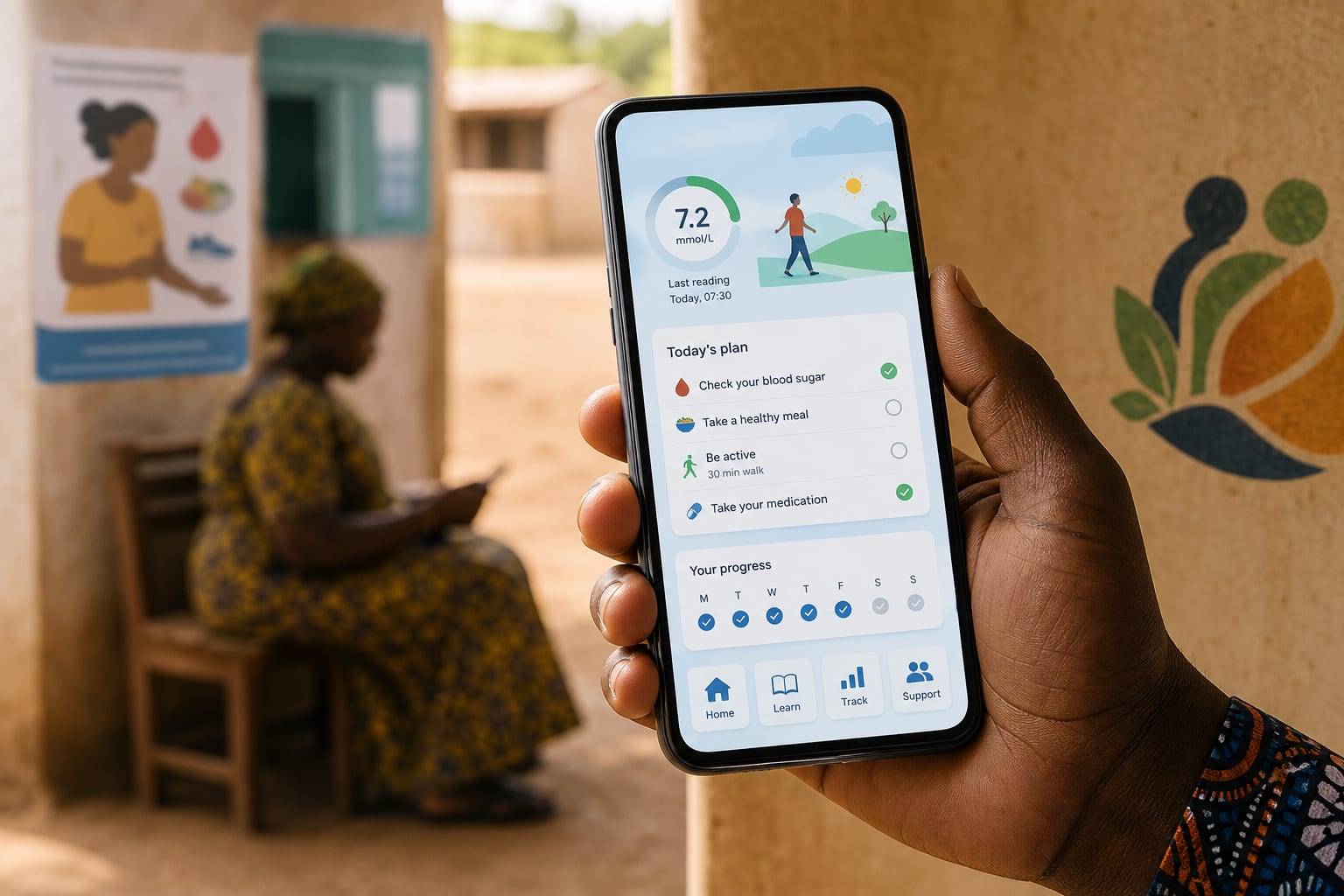
Clinical Report: Development and Usability Evaluation of DiabAid Nexus
Overview
Revise to focus solely on the development and usability evaluation aspects without unsupported claims.
Background
Diabetes is a growing global health concern, particularly in low-resource settings where access to care is limited. The prevalence of diabetes in the African Region has nearly doubled over the past 30 years, with only a fraction of diagnosed individuals receiving treatment. Mobile health (mHealth) applications like DiabAid Nexus have the potential to enhance diabetes management by providing accessible support and education to patients.
Data Highlights
No numerical data or trial data was provided in the source material.
Key Findings
Diabetes prevalence in the African Region increased from 6.4% in 1990 to 10.5% in 2022.
Only 26.1% of adults aged 30 years and older diagnosed with diabetes in the African Region received treatment as of 2022.
mHealth interventions can improve glucose control, medication adherence, and self-care practices.
Usability, cultural relevance, and user expectations are critical for the success of mHealth solutions.
Digital health literacy is a significant determinant of the effectiveness of mHealth applications.
Clinical Implications
Healthcare providers should consider the usability and cultural relevance of mHealth applications when implementing them in low-resource settings. Enhancing digital health literacy among patients is essential for the successful adoption of such technologies.
Conclusion
Revise to focus on the development of the application without unsupported claims about health outcomes.