Clinical Report: Strategies and Mechanisms to Address Resistance to ICIs
Overview
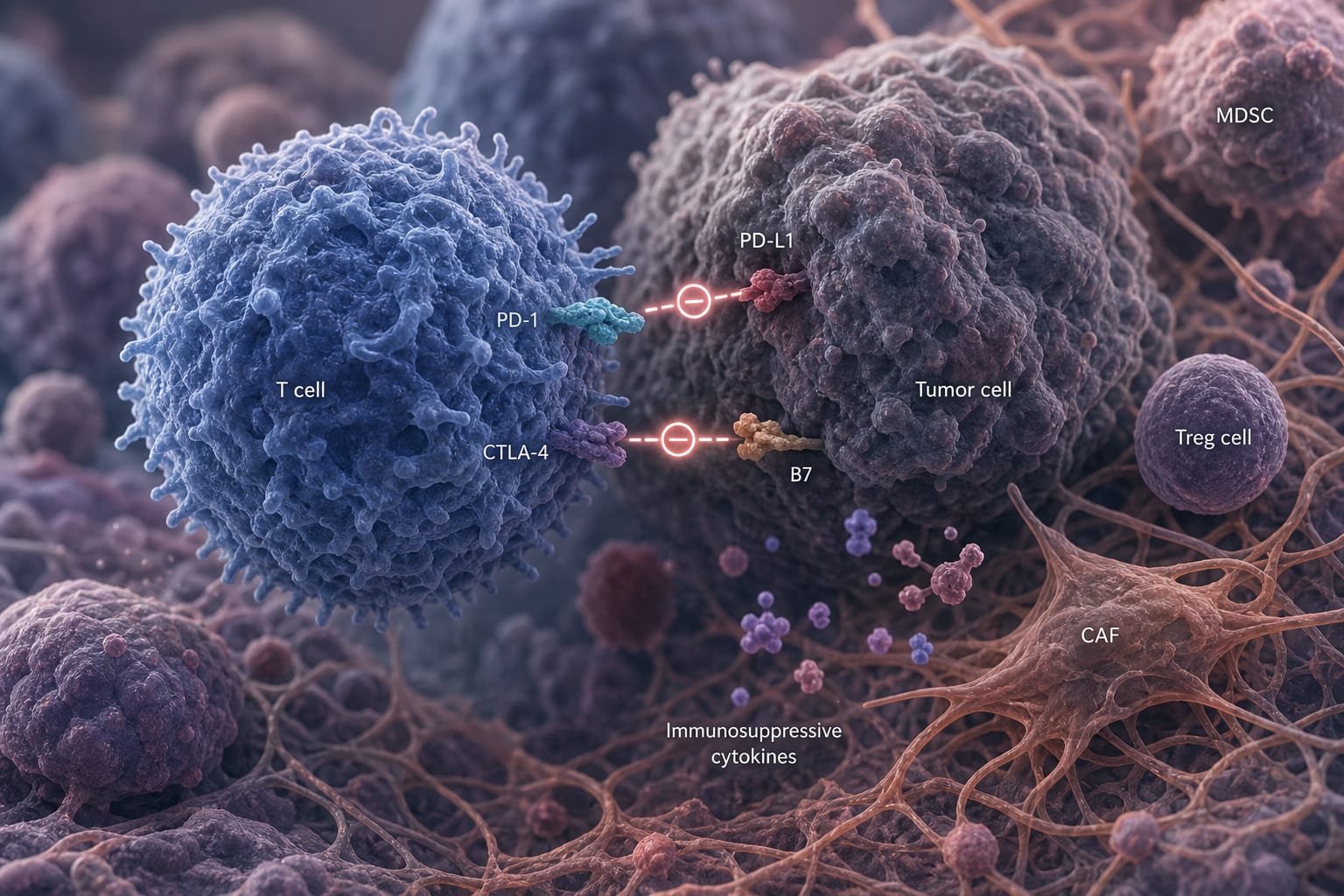
This editorial discusses the mechanisms of resistance to immune checkpoint inhibitors (ICIs) and innovative strategies to overcome these challenges in cancer therapy. It highlights the variability in patient responses and the importance of understanding tumor microenvironments to improve treatment outcomes.
Background
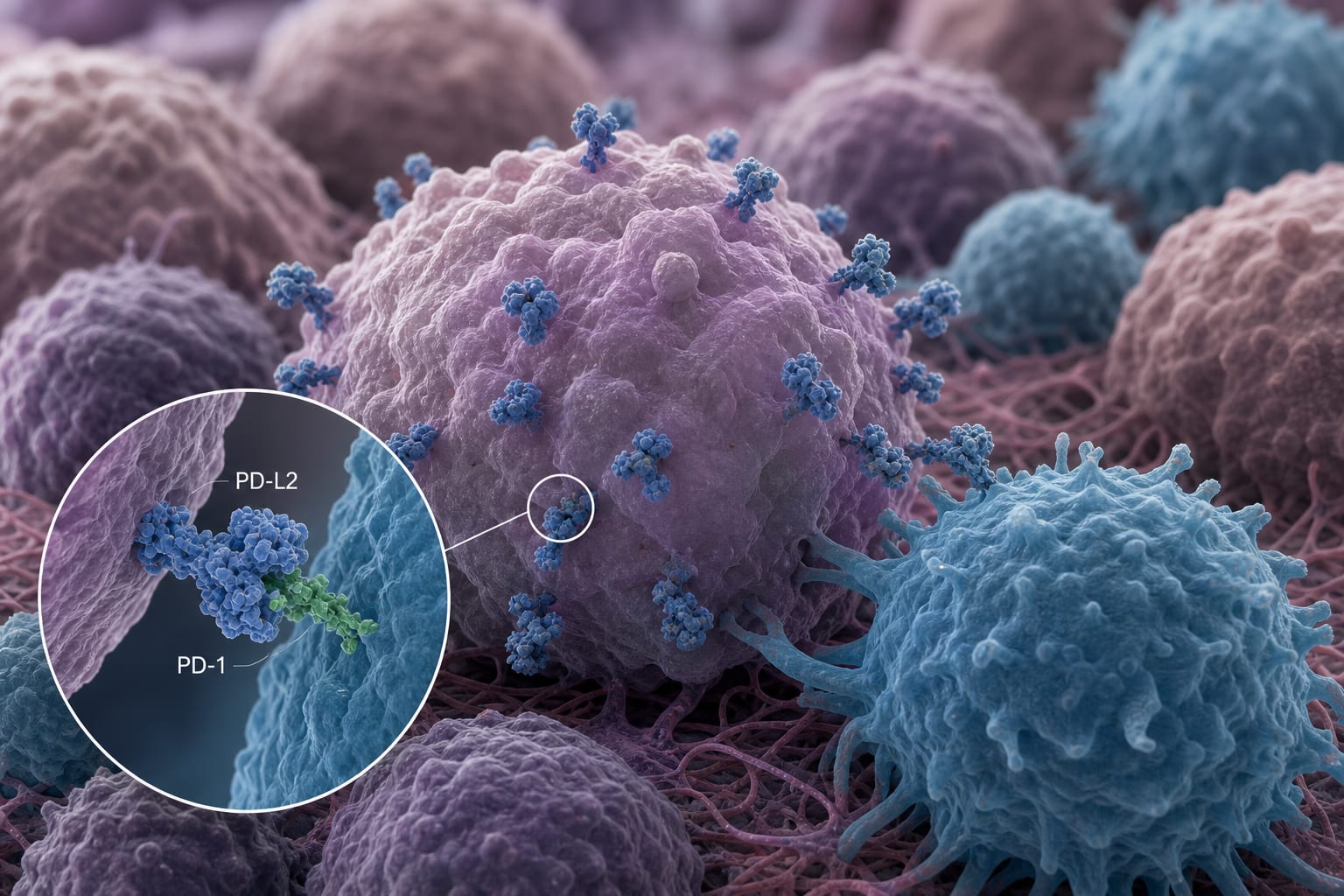
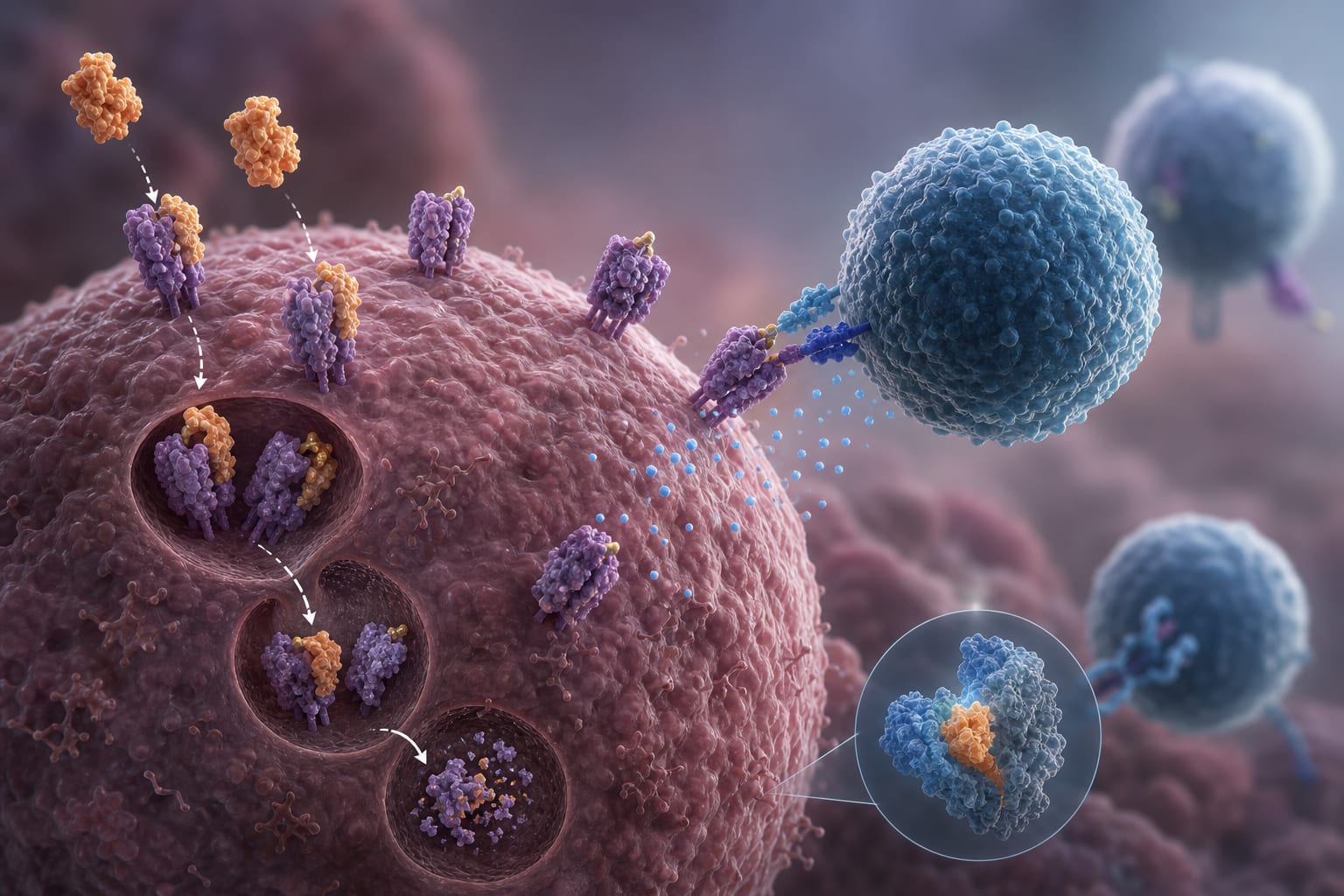
Immune checkpoint inhibitors have transformed cancer treatment by enhancing antitumor immunity. However, a significant number of patients experience primary or acquired resistance, limiting the effectiveness of these therapies. Understanding the biological mechanisms behind this resistance is crucial for developing effective treatment strategies.
Data Highlights
No numerical data provided in the source material.
Key Findings
Incorporate all resistance mechanisms and innovative strategies from the source.
Clinical Implications
Clinicians should consider the tumor microenvironment's role in treatment response when selecting therapies for patients. Innovative combination strategies may enhance the effectiveness of ICIs, particularly in patients with cold tumors or those exhibiting resistance.
Conclusion
Addressing resistance to immune checkpoint inhibitors is essential for improving cancer treatment outcomes. Ongoing research into the mechanisms of resistance and novel therapeutic strategies will be critical in enhancing patient responses.