Clinical Report: The Role of Sex Hormones in Cardiovascular and Renal Health
Overview
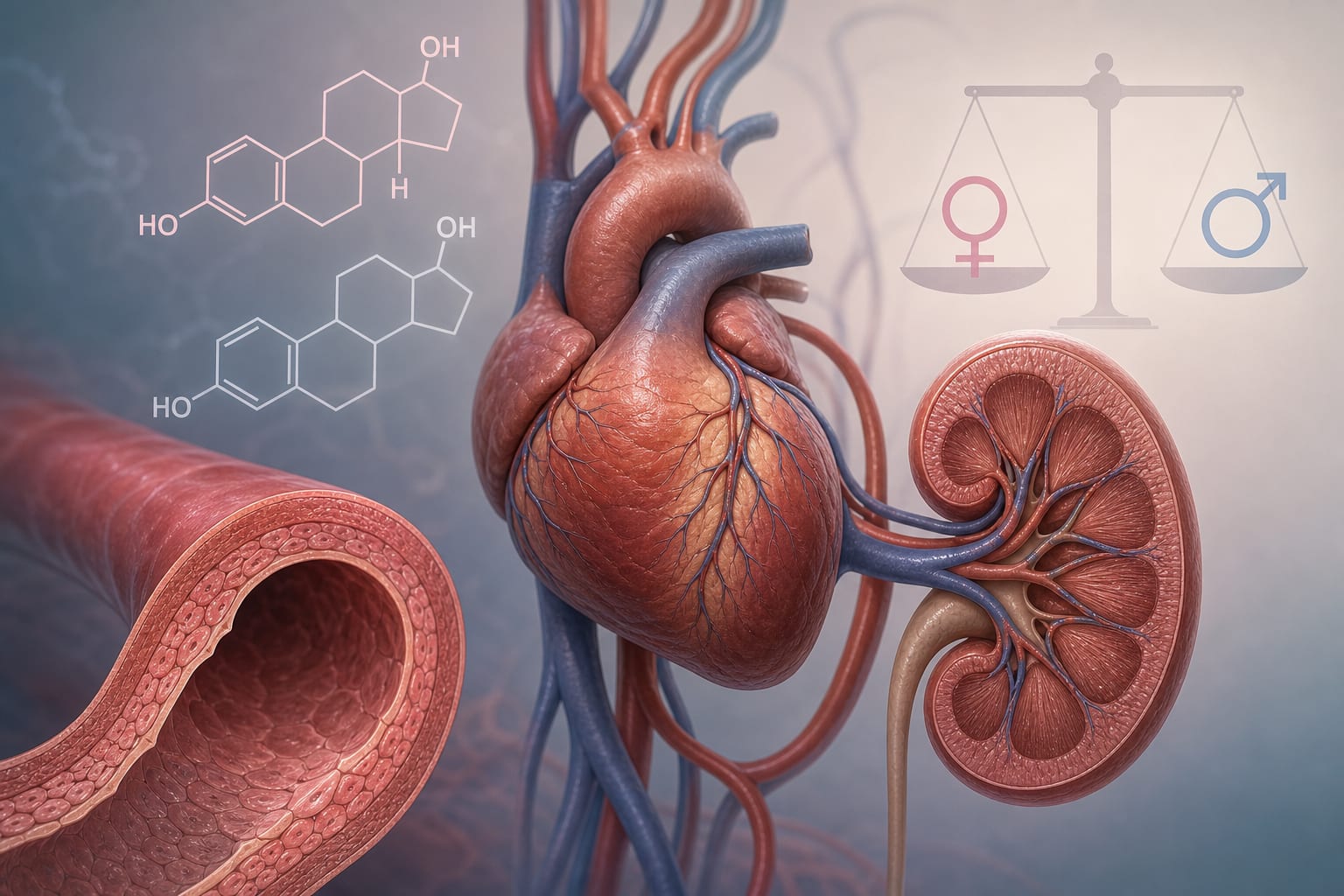
This editorial discusses the influence of sex hormones on cardiovascular and renal health, highlighting the increased cardiovascular risk in women during the menopausal transition.
Background
Sex hormones play a critical role in regulating various physiological processes that impact cardiovascular and renal health. Understanding these mechanisms is essential for addressing sex-based differences in disease risk and outcomes. The editorial emphasizes the need for more focused studies on hormonal changes during menopause and their correlation with cardiovascular disease risk in women.
Data Highlights
No specific numerical data provided in the source material.
Key Findings
Sex steroids regulate endothelial function, vascular tone, and inflammatory signaling.
Women are at lower risk of cardiovascular disease during reproductive years, but this changes post-menopause.
Postmenopausal women exhibit higher body mass index and blood pressure compared to perimenopausal women.
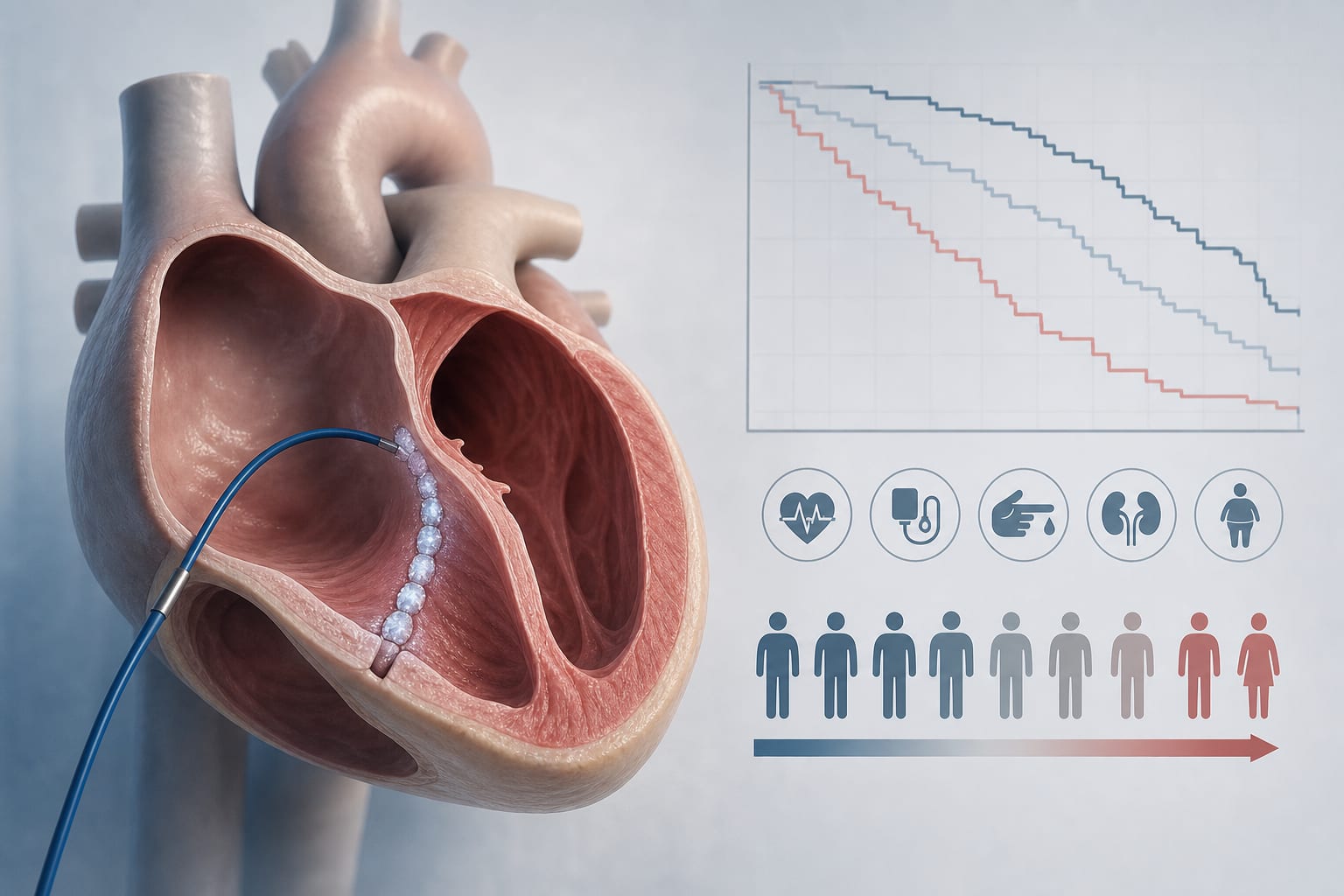
Estimated glucose disposal rate (eGDR) is associated with cardiovascular disease risk.
Corin levels may serve as a potential biomarker for left atrial reverse remodeling in atrial fibrillation patients.
Clinical Implications
Clinicians should consider the hormonal status of women during the menopausal transition when assessing cardiovascular risk.
Conclusion
The editorial highlights the need for further research into the role of sex hormones in cardiovascular and renal health, particularly in women during menopause.
Moderate coffee consumption generally appeared safe for most adults, but randomized evidence suggested divergent effects on atrial fibrillation and premature ventricular contractions.