Clinical Report: Contact Lens Dropout? Start With the Lids
Overview
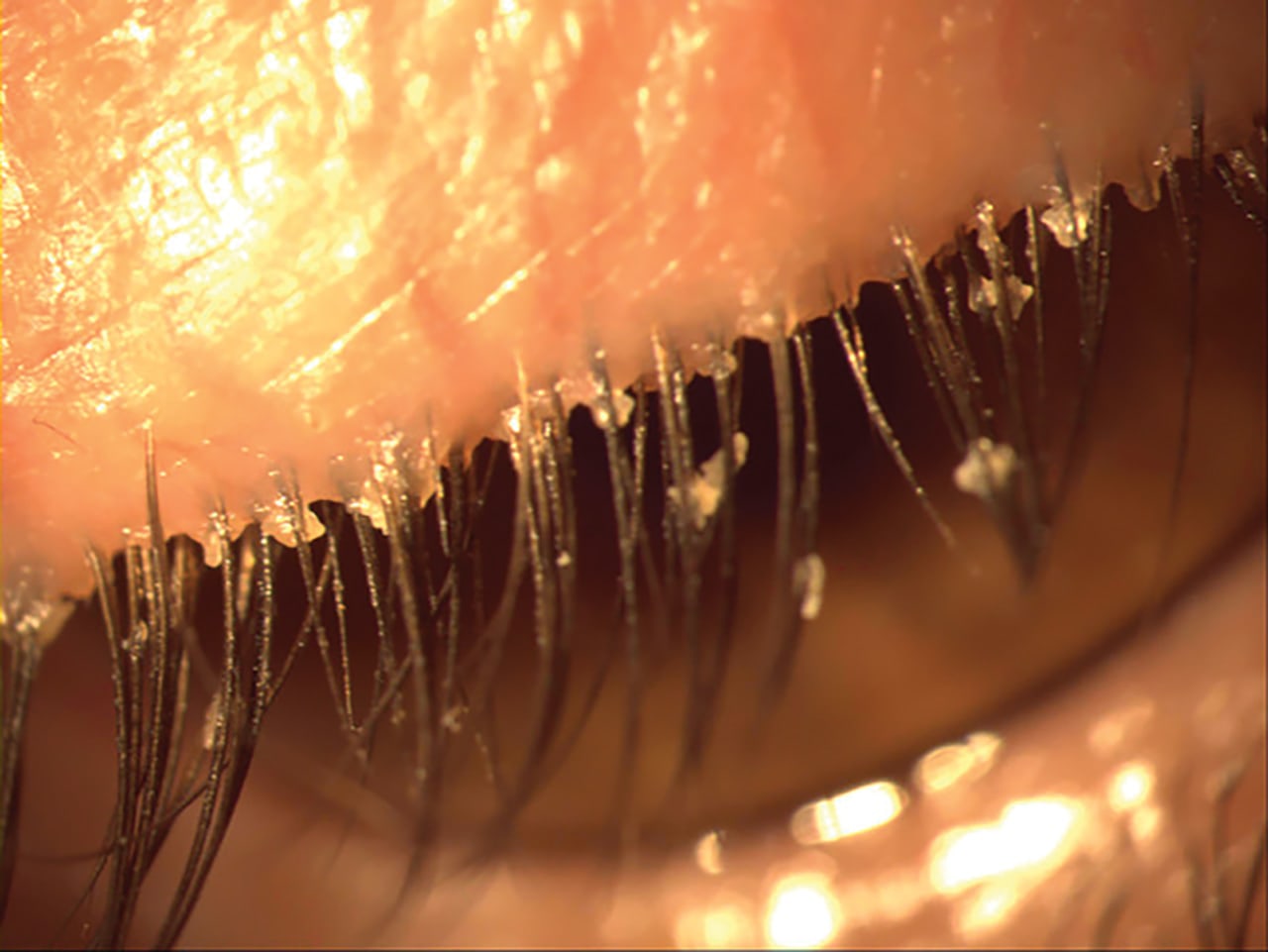
Demodex mites and meibomian gland dysfunction (MGD) are significant contributors to contact lens dropout. Effective treatments, including lotilaner 0.25% ophthalmic solution, can address these underlying issues.
Background
Contact lens intolerance is a common challenge in clinical practice, often leading to dropout among wearers. Identifying the underlying causes, such as Demodex infestation and MGD, is crucial for effective management.
Data Highlights
No numerical data provided in the source material.
Key Findings
93% of soft contact lens dropout patients have Demodex mite infestation.
Less than 6% of patients with Demodex on their lid margins report no discomfort with contact lens wear.
57% of patients with MGD also have Demodex blepharitis.
Lotilaner 0.25% is the only FDA-approved treatment for Demodex blepharitis, effective in eradicating mites within 6 weeks.
Clinical trials show a 54% increase in meibomian glands yielding liquid secretions after treatment with lotilaner.
Ivermectin 1% cream is an alternative treatment that improves symptoms of Demodex blepharitis.
Clinical Implications
Eye care providers should consider evaluating patients for Demodex infestation and MGD when addressing contact lens dropout.
Conclusion
Addressing the underlying causes of contact lens intolerance, such as Demodex and MGD, is essential.
"Cosmetic eye enhancements are safe," said Dr. Hyatt. Still, she said, "it is important to be aware of the chemicals involved, to determine allergy risk and when patch testing may be warranted, and to recognize true complications vs disappointing results."