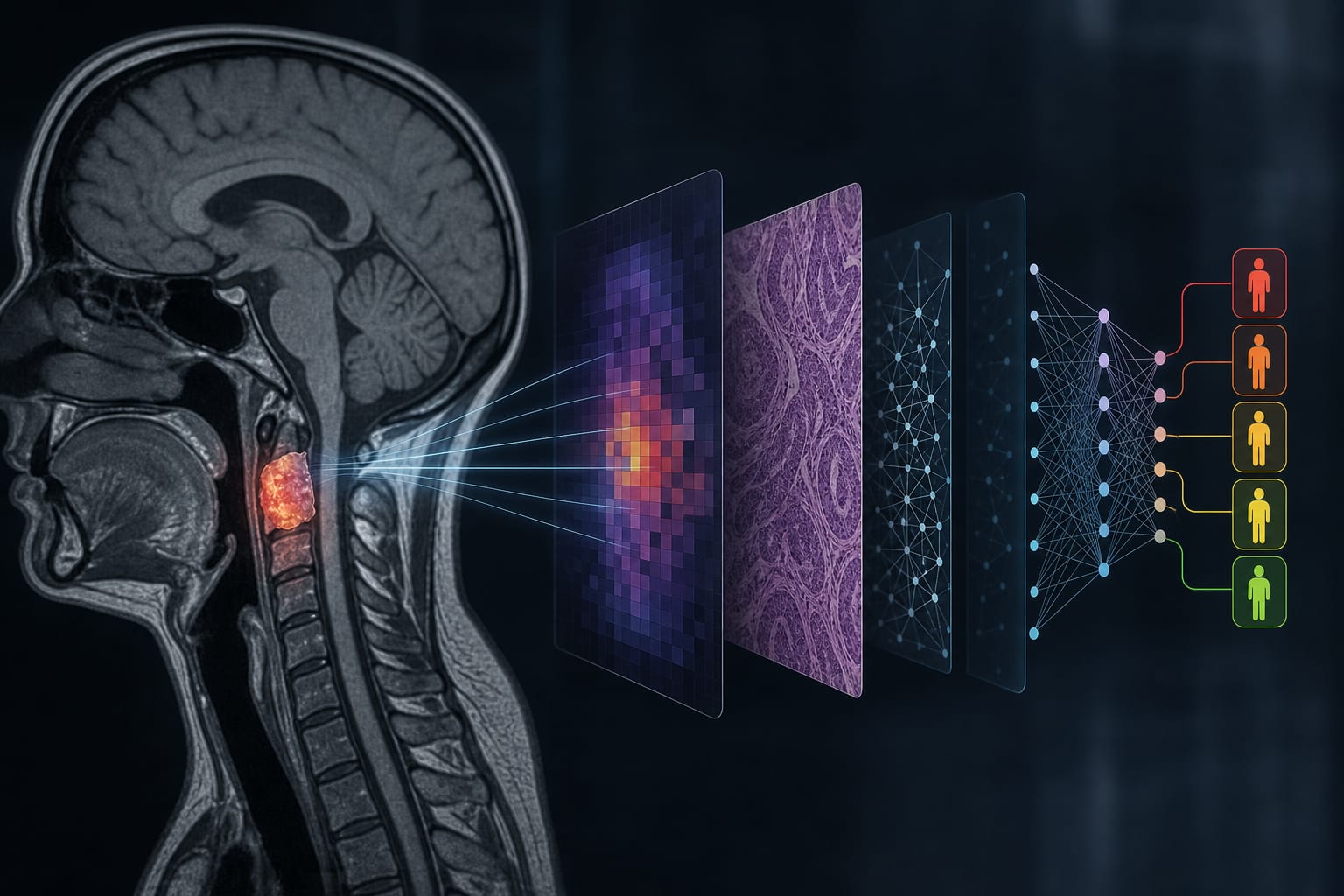
Percutaneous cryoablation (PCA) is an emerging minimally invasive treatment for spinal metastases that offers precise tumor targeting and effective pain relief. This systematic review and meta-analysis of 11 studies involving 229 patients demonstrates PCA's safety, efficacy in local tumor control, and significant reduction in pain severity scores.
Background
Spinal metastases frequently cause severe pain and disability in cancer patients. Conventional external beam radiotherapy (cEBRT) and stereotactic body radiation therapy (SBRT) are standard treatments but have limitations including toxicity and risk of vertebral fractures. Minimally invasive ablation techniques, such as PCA, have been developed to overcome these challenges. PCA induces tumor destruction through cycles of freezing and thawing, allowing real-time imaging guidance and sparing adjacent vital structures while providing rapid pain relief.
Data Highlights
Characteristic
Value
Number of studies
11
Total patients
229
Mean patient age
61.8 years
Female patients
60.6%
Primary tumor sites
Breast 18.6%, Lung 16.0%, Thyroid 8.0%, Others 45.0%
Common tumor locations
Cervicothoracic 54.8%, Vertebral body 47.3%
Epidural involvement
36.6%
Prior radiation therapy
60.6%
Pre-operative pain severity score
7.0 (mean)
Key Findings
PCA demonstrated effective local tumor control in spinal metastases across multiple retrospective and prospective studies.
Significant reduction in patient-reported pain severity scores was observed post-PCA, indicating rapid and sustained analgesic effects.
Real-time imaging guidance (CT/MRI) during PCA allows precise ablation with preservation of adjacent critical structures.
PCA can be performed as an outpatient procedure without general anesthesia, enhancing patient tolerability.
Complication rates were low, with minimal reports of vascular or neural injury compared to other ablation techniques.
Most patients had prior radiation therapy, suggesting PCA is effective as a salvage or adjunctive treatment modality.
Clinical Implications
Percutaneous cryoablation offers a minimally invasive, safe, and effective option for managing spinal metastases, particularly in patients with prior radiation or those unsuitable for surgery. Its ability to provide rapid pain relief and local tumor control supports its integration into multidisciplinary cancer care. Real-time imaging guidance enhances procedural safety, making PCA a valuable tool in palliative and adjunctive treatment strategies.
Conclusion
This systematic review and meta-analysis support PCA as a promising treatment for spinal metastatic lesions, combining effective tumor control with significant pain reduction and a favorable safety profile. Further prospective studies are warranted to optimize patient selection and treatment protocols.
References
PRISMA 2020 Update -- Preferred Reporting Items for Systematic Reviews and Meta-Analyses
Joanna Briggs Institute -- Case Series Checklist
Hozo et al. -- Method for Calculating Means and Standard Deviations
by Mohammad Sadegh Fallahi, S. Farzad Maroufi, S. Parmis Maroufi, MirHojjat Khorasanizadeh, Leonardo José Monteiro de Macêdo Filho, Konstantinos Margetis, Daipayan Guha, Claudio E. Tatsui, Alireza Mansouri