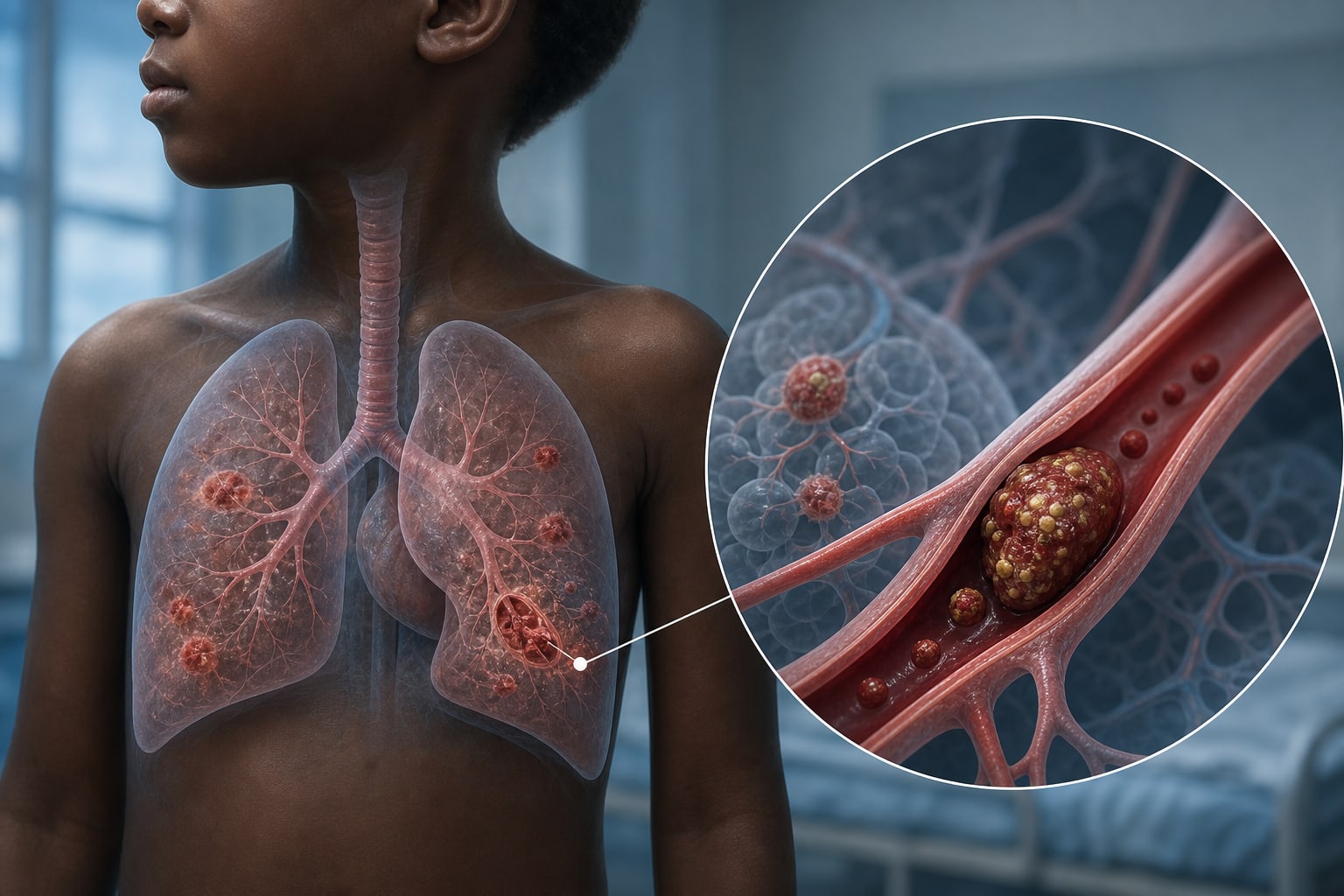
Trends and Outcomes of Pediatric Fever in Rural Southern Mozambique: 17-Year Study
Overview
This 17-year surveillance study in Southern Mozambique analyzed over 664,000 outpatient visits and 23,000 hospitalizations of febrile children under 15 years. Malaria, respiratory infections, and acute gastrointestinal infections were the predominant diagnoses, all showing marked declines over time. Mortality was low overall but highest in sepsis and meningitis cases, with malnutrition and HIV infection significantly contributing to inpatient deaths.
Background
Fever is a common symptom driving pediatric healthcare visits globally, especially in Sub-Saharan Africa where children under five experience approximately six febrile episodes annually. Infectious diseases causing fever contribute to over two-thirds of the 4.8 million annual child deaths, predominantly in low- and middle-income countries (LMICs). Early recognition and management of severe febrile illnesses are challenging in LMICs due to limited diagnostic resources, leading to potential misdiagnosis and inappropriate treatment. Understanding the epidemiology and outcomes of febrile illnesses in such settings is critical to improving clinical care and reducing mortality.
Data Highlights
Parameter
Outpatients
Inpatients
Total visits
664,223
23,166
Median age (months)
47.1 (IQR 20.0–92.3)
21.2 (IQR 10.1–41.5)
Most frequent diagnoses (%)
Malaria 33.5, URTI 27.8, LRTI 10.1, AGI 6.0
Malaria 33.5, URTI 27.8, LRTI 10.1, AGI 6.0
7-day mortality
0.1%
2.2%
Case fatality ratios for sepsis/meningitis
9%–16%
Key Findings
Malaria, upper and lower respiratory tract infections, and acute gastrointestinal infections were the leading causes of pediatric fever, with all showing significant annual declines from 2004 to 2020.
Inpatients were younger (median 21.2 months) compared to outpatients (median 47.1 months), indicating higher severity in younger children.
Overall 7-day mortality was low: 0.1% for outpatients and 2.2% for inpatients, but sepsis and meningitis had the highest case fatality ratios (9%–16%).
Malnutrition and HIV infection were major contributors to inpatient mortality, highlighting the impact of comorbidities on outcomes.
Clinical signs such as seizures, edema, dehydration, and reduced consciousness strongly predicted death, underscoring the need for early recognition of severe illness.
Despite the predominance of malaria in febrile cases, the study emphasizes the importance of comprehensive diagnosis given overlapping clinical presentations and decreasing malaria incidence.
Clinical Implications
Clinicians in resource-limited settings should prioritize early identification of severe clinical signs like seizures and altered consciousness to reduce mortality in febrile children. Integrated management approaches addressing comorbidities such as malnutrition and HIV are essential to improve inpatient outcomes. Continued epidemiological surveillance is vital to monitor shifting disease patterns and guide appropriate diagnostic and treatment strategies.
Conclusion
This extensive longitudinal study highlights declining trends in major causes of pediatric fever and identifies key predictors of mortality in Southern Mozambique. Enhanced diagnostic capabilities and targeted clinical management are crucial to further reduce morbidity and mortality in febrile children in low-resource settings.
References
Manhiça District Surveillance Study 2004-2020 -- Trends and Clinical Outcomes of Pediatric Fever in Southern Mozambique
Pragmatic cluster randomized crossover study found no statistically significant difference in laboratory-confirmed influenza during the 2023-2024 season