Clinical Report: Evaluating the Effectiveness of RAG for Stroke Support
Overview
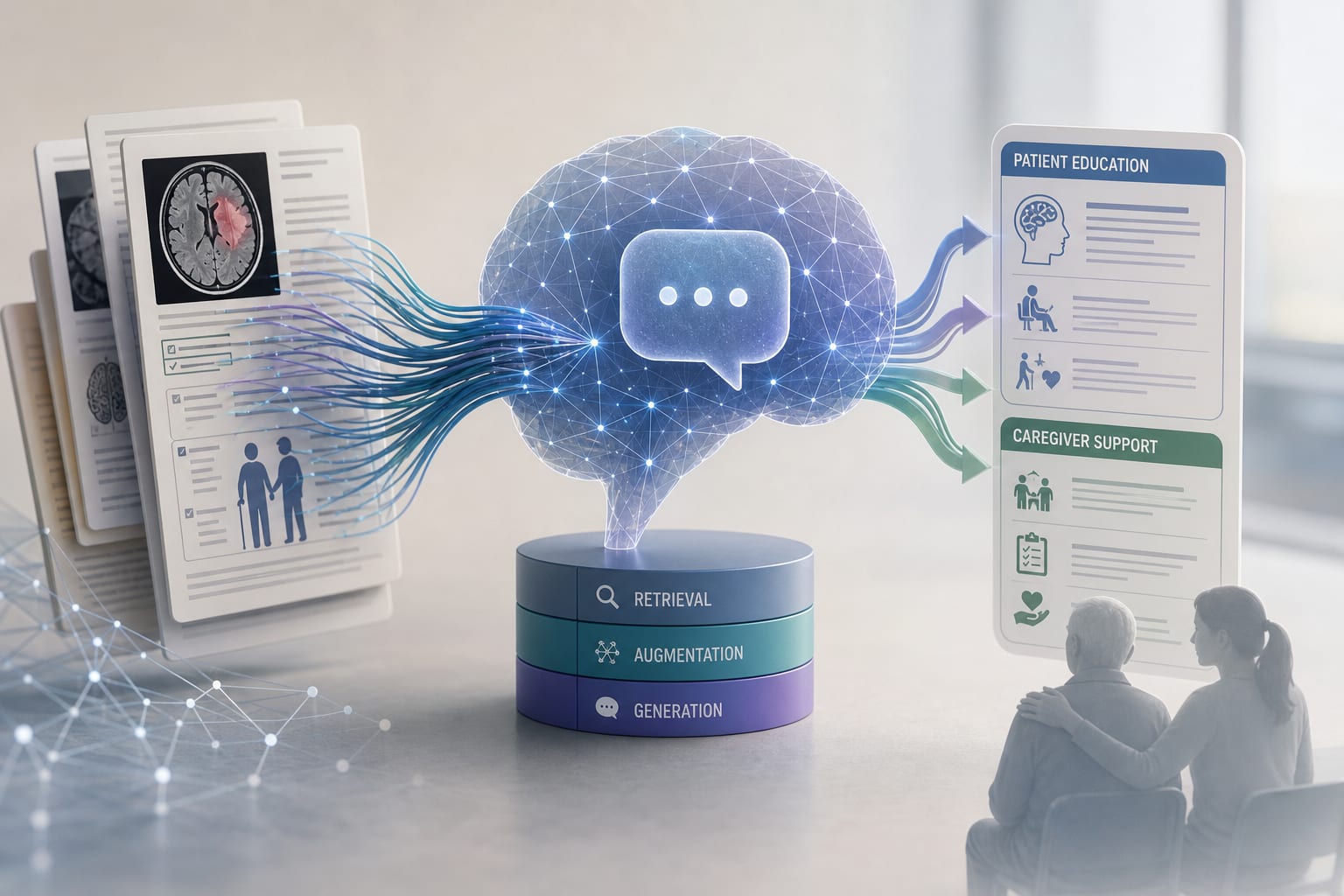
This study evaluates a retrieval-augmented generation (RAG) system designed to assist stroke patients and caregivers by providing accurate and timely information. The research compares the performance of three leading large language models in both zero-shot and RAG configurations, focusing on technical performance, clinical validity, and end-user usability.
Background
Stroke is a leading cause of death and disability globally, with a particularly high burden in China. Effective management extends beyond acute treatment, necessitating reliable health education for patients and caregivers. The integration of retrieval-augmented generation technology with large language models aims to address gaps in information accuracy and accessibility in stroke care.
Data Highlights
No numerical data provided in the source material.
Key Findings
Stroke is a significant global health concern, particularly in China.
Retrieval-augmented generation (RAG) can enhance the accuracy of information provided by large language models.
This study integrates AI technology with clinical needs and end-user demands.
The evaluation framework includes technical metrics, clinician-led validation, and end-user usability assessments.
Clinical Implications
The findings suggest that RAG technology may improve the reliability of information provided to stroke patients and caregivers. This could enhance the quality of education and support available in clinical settings.
Conclusion
The study highlights the potential of RAG-enhanced large language models to provide reliable, guideline-based information for stroke care, addressing critical gaps in current healthcare practices.