Amniotic membrane transplantation combined with cryotherapy vs. lamellar keratoplasty for medically refractory peripheral ulcerative keratitis: a retrospective cohort study - Report - MDSpire
Advertisement
Amniotic membrane transplantation combined with cryotherapy vs. lamellar keratoplasty for medically refractory peripheral ulcerative keratitis: a retrospective cohort study
Clinical Report: Comparative Outcomes of Amniotic Membrane Transplantation
Overview
Revise to specify the metrics for visual acuity and recurrence rates used in the study.
Background
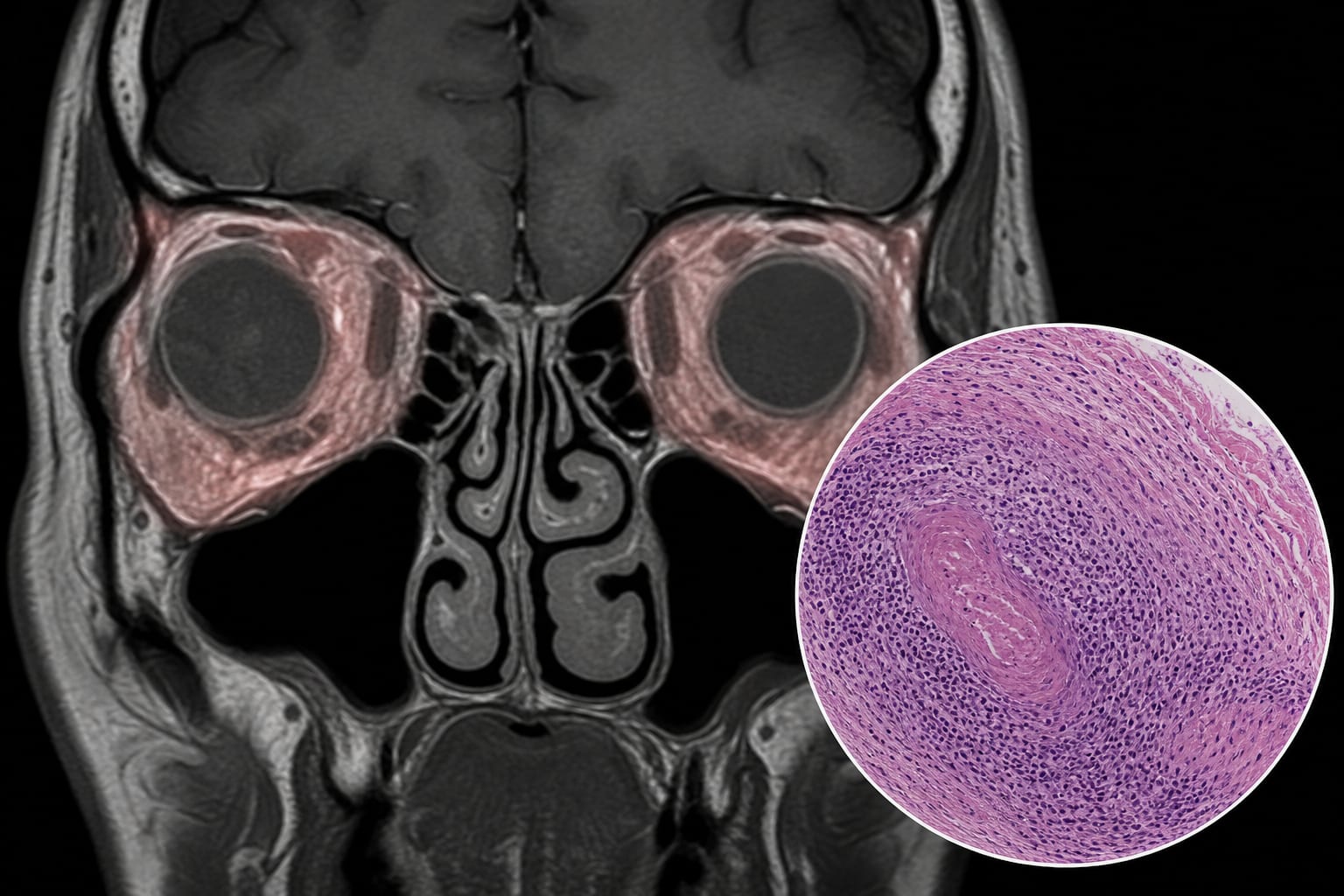
Medically refractory PUK is a serious condition that can lead to vision loss without prompt surgical intervention. Traditional treatments like LKP and AMT are employed to manage this condition, but there is a lack of comparative studies assessing their long-term efficacy. Understanding the outcomes of these interventions is crucial for optimizing patient care in this high-risk group.
Data Highlights
Procedure
Ulcer Healing Rate
BCVA Improvement at 12 Months
Epithelialization Time (Days)
Recurrence Rate
AMT
78.6%
Similar
12
32.1%
LKP
76.7%
Superior
6
10.0%
Key Findings
Primary ulcer healing rates were comparable: AMT 78.6%, LKP 76.7% (P = 0.862).
LKP showed significantly faster epithelialization (median 6 vs. 12 days; P < 0.05).
LKP had superior best-corrected visual acuity (BCVA) at 12 months (P = 0.019).
Recurrence rate was lower in the LKP group (10.0% vs. 32.1%; P = 0.038).
AMT had a superior safety profile with no procedure-related complications.
Concurrent autoimmune diseases prolonged epithelialization in both groups.
Clinical Implications
LKP is recommended as the definitive treatment for refractory PUK due to its superior long-term outcomes. AMT serves as a valuable alternative, particularly in settings with limited donor corneas, providing a safe option to stabilize the ocular surface before definitive surgery.
Conclusion
While LKP offers better long-term results, AMT is an effective and safe interim solution for managing refractory PUK, especially in the context of global donor shortages.