Clinical Report: Assessment of Hybrid AI-Generated DICOM Labels
Overview
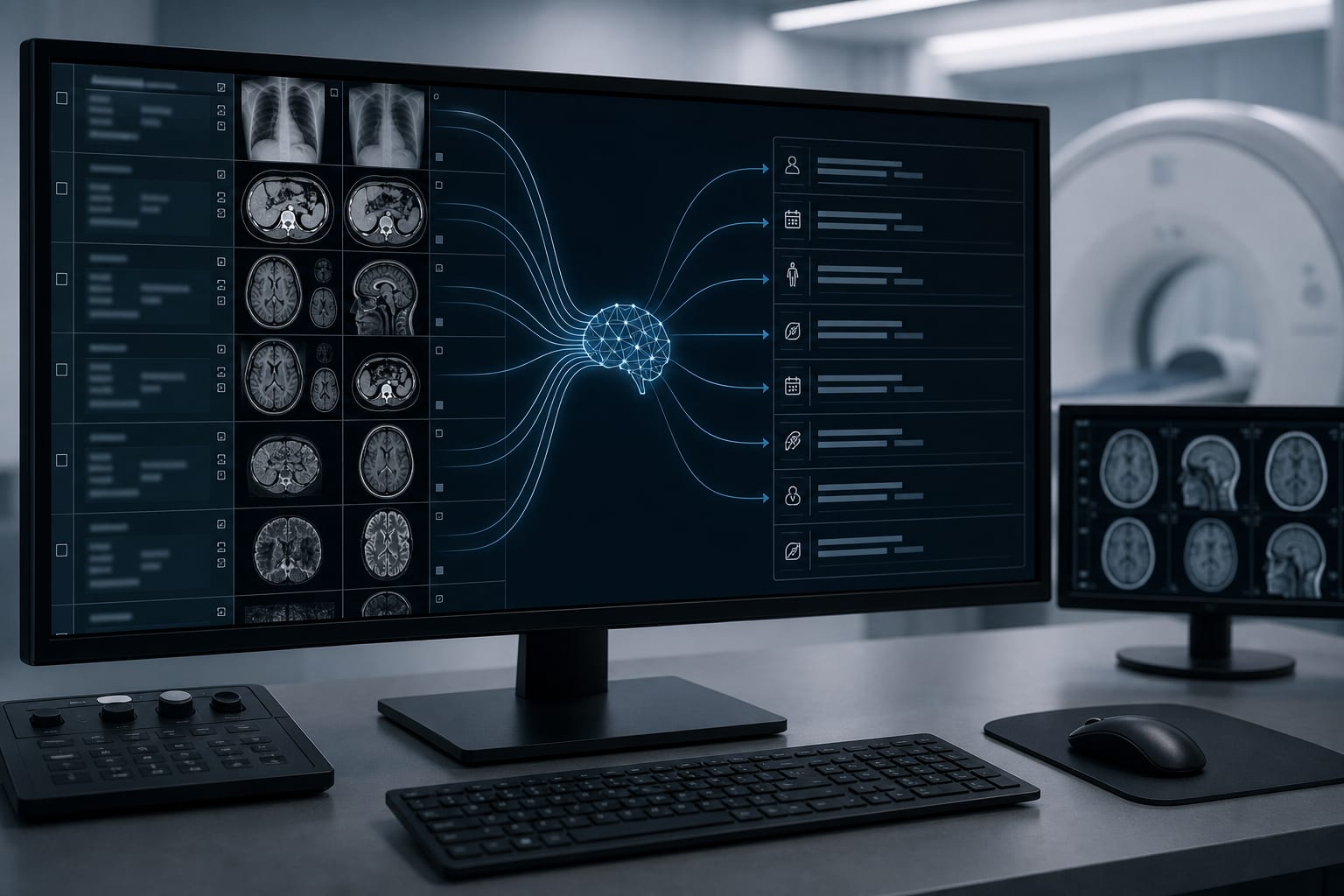
This study evaluates a hybrid AI tool designed to standardize DICOM labels and its impact on radiologists' interpretation times. The findings indicate that the implementation of this AI tool may enhance workflow efficiency in radiology by improving metadata consistency.
Background
The increasing volume of imaging studies in radiology necessitates improved workflows to manage workload effectively. Inconsistent DICOM metadata has historically posed challenges, complicating data integration and retrieval, which can hinder clinical efficiency. Addressing these foundational issues with AI tools presents an opportunity to enhance radiology workflows and inter-institutional data sharing.
Data Highlights
No numerical data was provided in the source material.
Key Findings
The study assessed the labeling accuracy of an AI tool that standardizes DICOM metadata across various imaging modalities.
A total of 422 CR images and 1503 CT series were analyzed to evaluate the AI tool's effectiveness.
AI-generated DICOM labels aimed to improve metadata consistency, which is crucial for effective PACS integration.
The implementation of the AI tool is expected to enhance radiologists' reading times and overall workflow efficiency.
This study highlights a critical gap in existing research regarding AI solutions for DICOM metadata improvement.
Clinical Implications
Radiologists may benefit from the integration of AI tools that standardize DICOM labels, potentially leading to reduced interpretation times and improved workflow efficiency. Consistent metadata can facilitate better data sharing and integration across different systems, enhancing overall clinical practice.
Conclusion
The evaluation of the hybrid AI tool for DICOM label standardization suggests promising improvements in radiology workflows. Further research is necessary to quantify the impact on reading times and clinical outcomes.
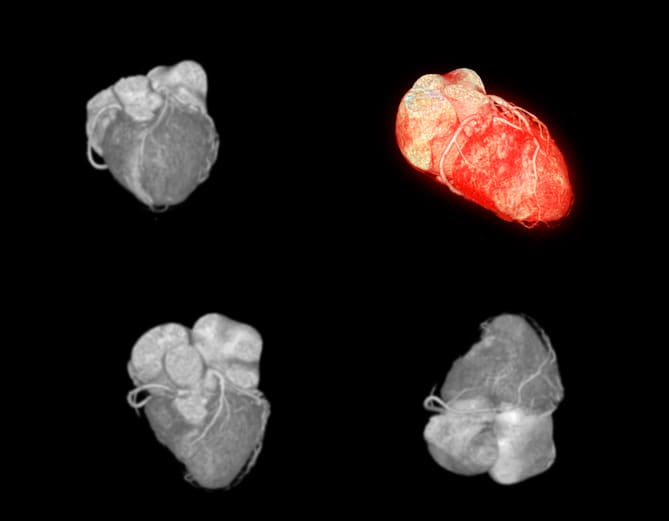
A single-center editorial described real-world integration of artificial intelligence–based coronary artery calcium scoring into routine cardiac CT workflow, with researchers reporting rapid report availability and high agreement with manual reference standards while emphasizing continued radiologist oversight.