Predicting late radiation-associated neurocognitive and endocrine toxicity in patients with brain tumors - Report - MDSpire
Coming Soon: Introducing MDSpire News. Learn more
Conexiant’s news site is now MDSpire News. Learn more

Forecasting Delayed Neurocognitive and Endocrine Toxicity from Radiation in Brain Tumor Patients

  • By

  • Kyle Tuohy

  • Aarav Badani

  • Ava Franklin

  • Brad Zacharia

  • Dawit Aregawi

  • Alireza Mansouri

  • Paul Brown

  • Michael Glantz

  • May 28, 2026

Share

Clinical Report: Forecasting Delayed Neurocognitive and Endocrine Toxicity from Radiation in Brain Tumor Patients

Overview

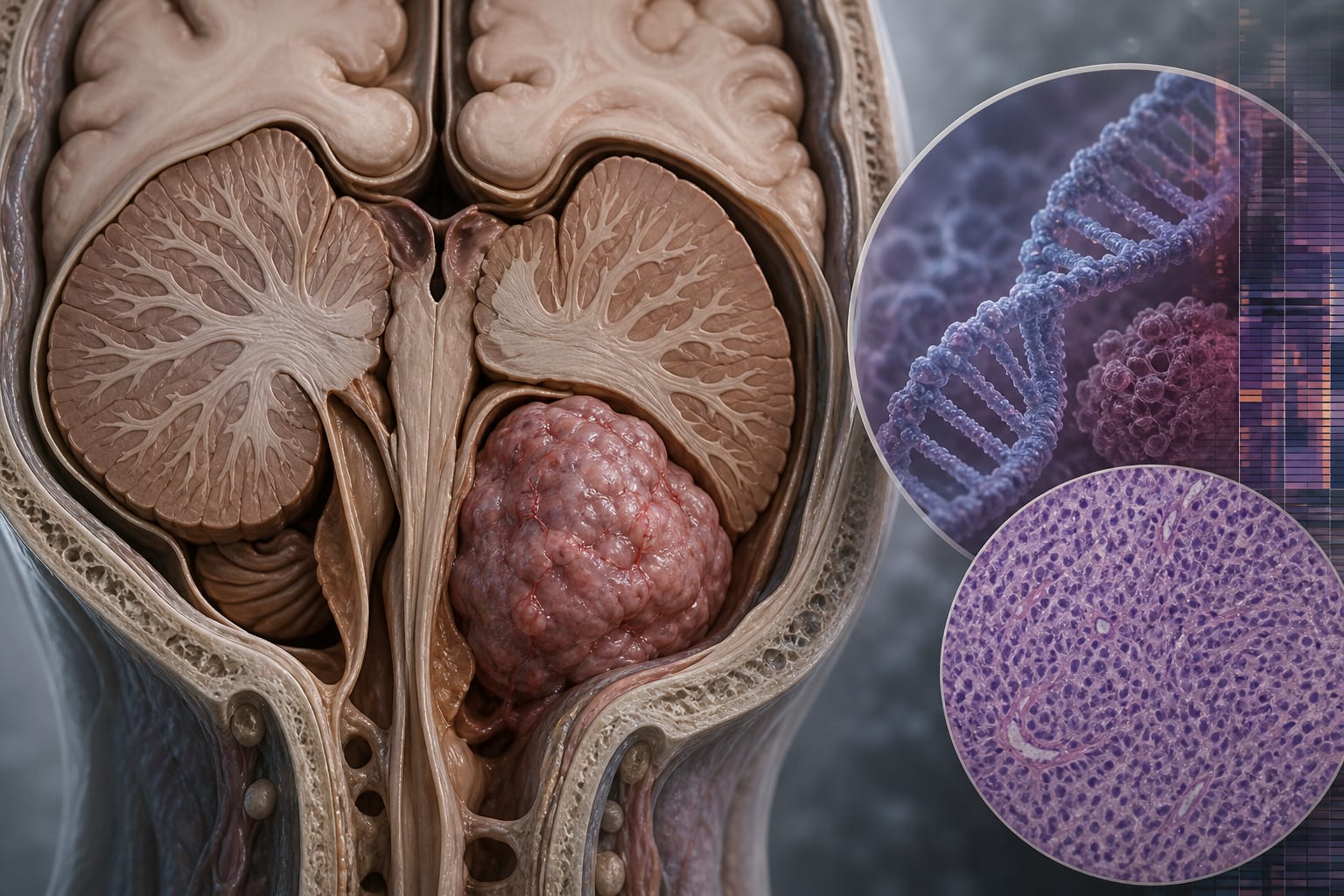
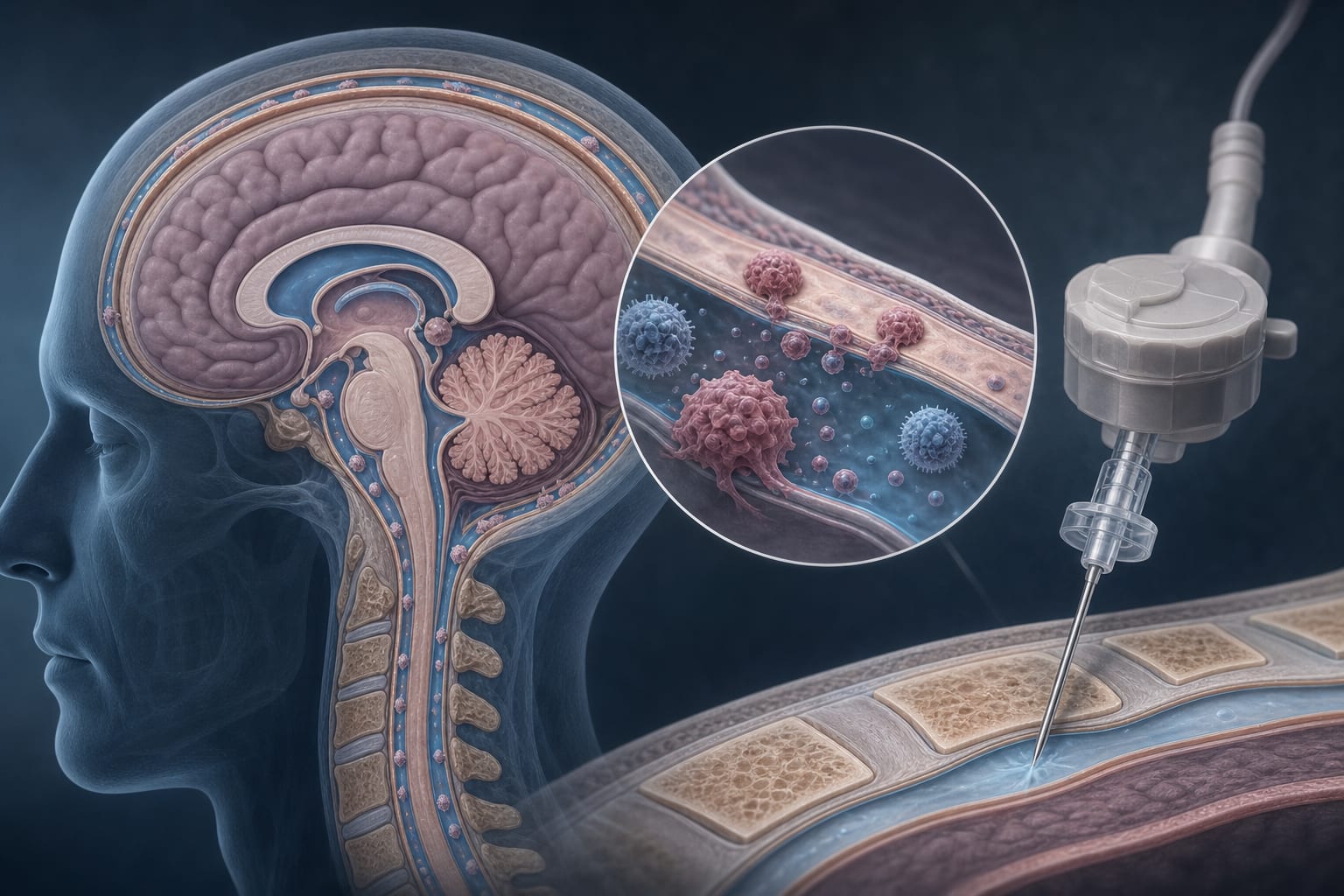
This report examines the risk factors associated with delayed neurocognitive and endocrine toxicity in patients undergoing cranial irradiation for brain tumors. The study identifies potential predictors of cognitive decline and endocrine dysfunction, emphasizing the need for proactive monitoring.

Background

Cranial irradiation is a common treatment for brain tumors, but it carries the risk of neurocognitive dysfunction and endocrine issues. Understanding the predictors of these complications is crucial for improving patient outcomes and quality of life. This study aims to identify risk factors that could help in forecasting these delayed effects.

Data Highlights

No numerical data or trial results were provided in the source material.

Key Findings

  • Radiation-induced neurocognitive dysfunction can affect various cognitive domains, including memory and attention.
  • Vascular injury is a significant factor in the development of neurocognitive dysfunction post-radiation.
  • The presence of the e4 allele of the ApOE gene is associated with greater cognitive decline after whole-brain radiotherapy.
  • No validated biomarkers currently exist to predict neurocognitive dysfunction prior to cranial irradiation.
  • Endocrine dysfunction is prevalent after cranial radiation and is linked to hypothalamic-pituitary dose and patient age.

Clinical Implications

Healthcare providers should consider the identified risk factors when assessing patients for cranial irradiation. Regular monitoring for neurocognitive and endocrine dysfunction is essential to optimize patient care and implement timely interventions.

Conclusion

Identifying predictors of delayed neurocognitive and endocrine toxicity can enhance patient management strategies following cranial irradiation. Ongoing research is necessary to develop validated biomarkers for better risk assessment.

Related Resources & Content

  1. The ASCO Post, 2012 -- Cognitive Impairment in Patients with Cancer
  2. Radiation Therapy for Brain Metastases - American Society for Radiation Oncology (ASTRO)
  3. Hypopituitarism Following Cranial Radiotherapy - Endotext - NCBI Bookshelf
  4. Radiotherapy-induced neurocognitive decline among adult intracranial tumor patients: A voxel-based approach - PubMed
  5. The ASCO Post — Cognitive Impairment in Patients with Cancer
  6. The ASCO Post — Cognitive Impairment in Patients with Cancer
  7. The ASCO Post — Cognitive Impairment in Patients with Cancer
  8. Radiation Therapy for Brain Metastases - American Society for Radiation Oncology (ASTRO)
  9. Hypopituitarism Following Cranial Radiotherapy - Endotext - NCBI Bookshelf
  10. Radiotherapy-induced neurocognitive decline among adult intracranial tumor patients: A voxel-based approach - PubMed

Original Source(s)

Related Content