Impact of Bariatric and Metabolic Surgery on Sarcopenia-Related Parameters According to the EWGSOP2 Consensus Criteria in Persons Living with Obesity - Report - MDSpire
Advertisement
Impact of Bariatric and Metabolic Surgery on Sarcopenia-Related Parameters According to the EWGSOP2 Consensus Criteria in Persons Living with Obesity
Effects of Bariatric Surgery on Sarcopenia-Related Factors in Obesity
Overview
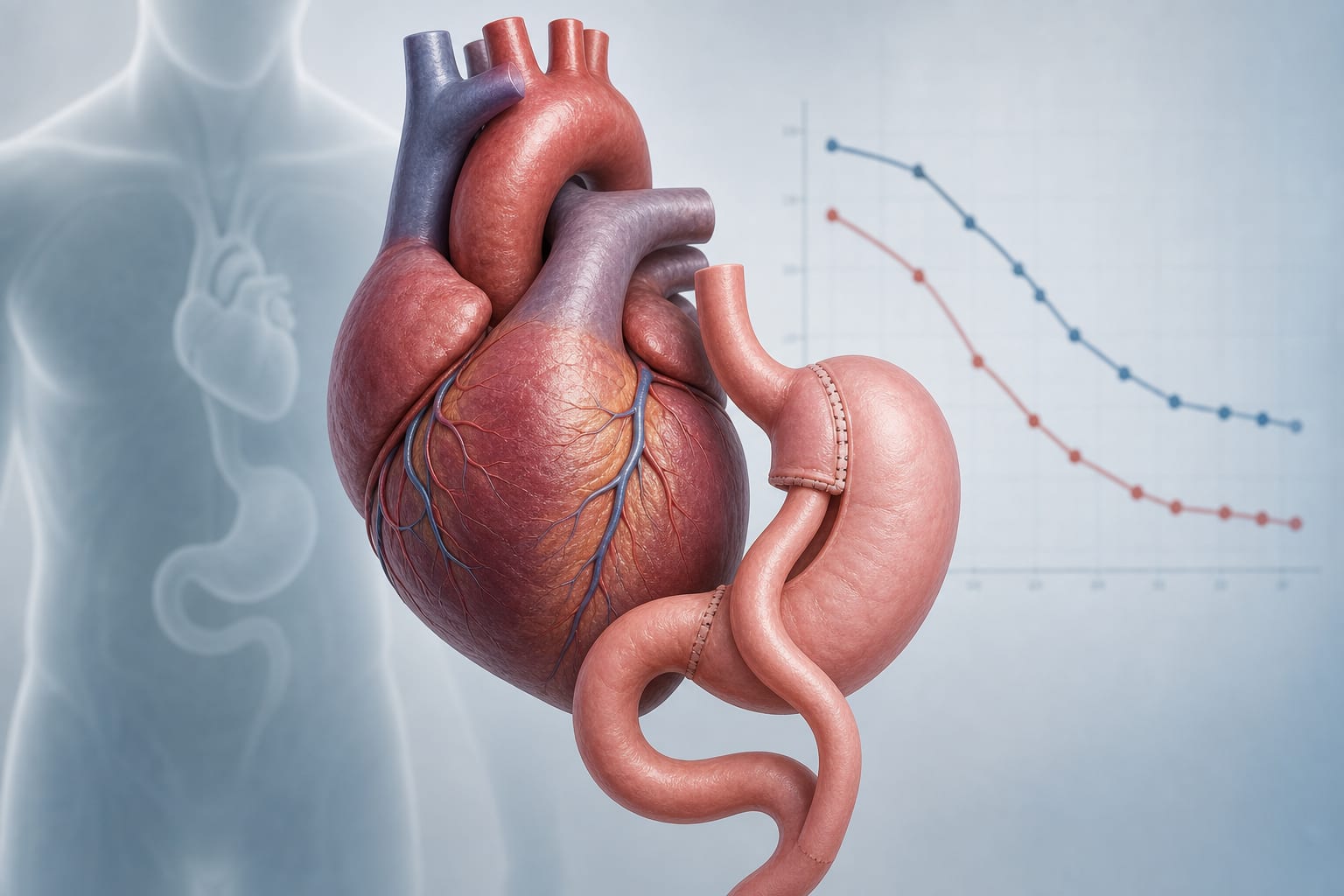
Bariatric and metabolic surgery (BS) effectively induces sustainable weight loss in individuals with obesity but also leads to loss of muscle mass and strength, raising concerns about sarcopenia. This review evaluates the impact of BS on sarcopenia-related parameters—muscle mass, strength, and physical performance—based on the EWGSOP2 consensus guidelines.
Background
Obesity is a major global health problem linked to chronic diseases and reduced quality of life. Bariatric surgery is the most effective treatment for sustainable weight loss and resolution of obesity-related comorbidities but may cause deficiencies in macro- and micronutrients, potentially worsening or inducing sarcopenia. Sarcopenia, characterized by loss of muscle mass and function, is increasingly recognized beyond the elderly population and is associated with metabolic and cardiovascular diseases. The EWGSOP2 consensus emphasizes muscle strength as the primary diagnostic criterion, supplemented by muscle quantity/quality and physical performance assessments.
Data Highlights
A literature search identified 159 unique references, with 44 original articles preliminarily selected. Many studies lacked comprehensive evaluation of all three sarcopenia parameters (muscle mass, strength, and physical performance) as per EWGSOP2 criteria. Only a subset of studies included longitudinal assessments before and after bariatric surgery, with follow-up of at least one month. Recent systematic reviews and meta-analyses have focused on muscle mass and strength but often omitted physical performance data.
Key Findings
Bariatric surgery results in significant weight loss, including reductions in both fat mass and muscle mass.
Postoperative nutrient deficiencies (e.g., protein, vitamin D, magnesium) may exacerbate muscle loss and sarcopenia risk.
Muscle strength is the most reliable indicator of sarcopenia according to EWGSOP2, yet many studies do not assess it alongside muscle mass and physical performance.
Sarcopenic obesity is a complex condition with no universal diagnostic criteria, complicating prevalence estimates and clinical assessment.
Early postoperative months are critical for monitoring muscle mass and function to prevent or mitigate sarcopenia development.
There is a need for standardized, comprehensive evaluation protocols incorporating all EWGSOP2 parameters in bariatric surgery patients.
Clinical Implications
Clinicians should monitor muscle strength, mass, and physical performance in patients undergoing bariatric surgery to identify and manage sarcopenia risk. Nutritional supplementation and tailored rehabilitation may be necessary to preserve muscle function and improve long-term outcomes. Standardized diagnostic criteria and assessment tools based on EWGSOP2 guidelines should be integrated into postoperative care protocols.
Conclusion
Bariatric surgery effectively reduces obesity but poses a risk for sarcopenia due to muscle mass and strength loss. Comprehensive assessment using EWGSOP2 criteria is essential to detect and address sarcopenia, optimizing patient recovery and functional status.
References
European Working Group on Sarcopenia in Older People (EWGSOP2) 2019 -- Sarcopenia: Revised Consensus on Definition and Diagnosis
EASO/ESPEN 2022 -- Recommendations for Sarcopenic Obesity Diagnosis
Recent Systematic Reviews and Meta-Analyses on Bariatric Surgery and Sarcopenia