Prevalence of CSF HIV VIRAL Escape and Associations With Neurocognitive Outcomes Among HIV-Associated Meningitis Survivors: A Cohort Study - Report - MDSpire
Advertisement
Prevalence of CSF HIV VIRAL Escape and Associations With Neurocognitive Outcomes Among HIV-Associated Meningitis Survivors: A Cohort Study
Frequency of CSF HIV Viral Escape and Neurocognitive Outcomes in HIV Meningitis Survivors
Overview
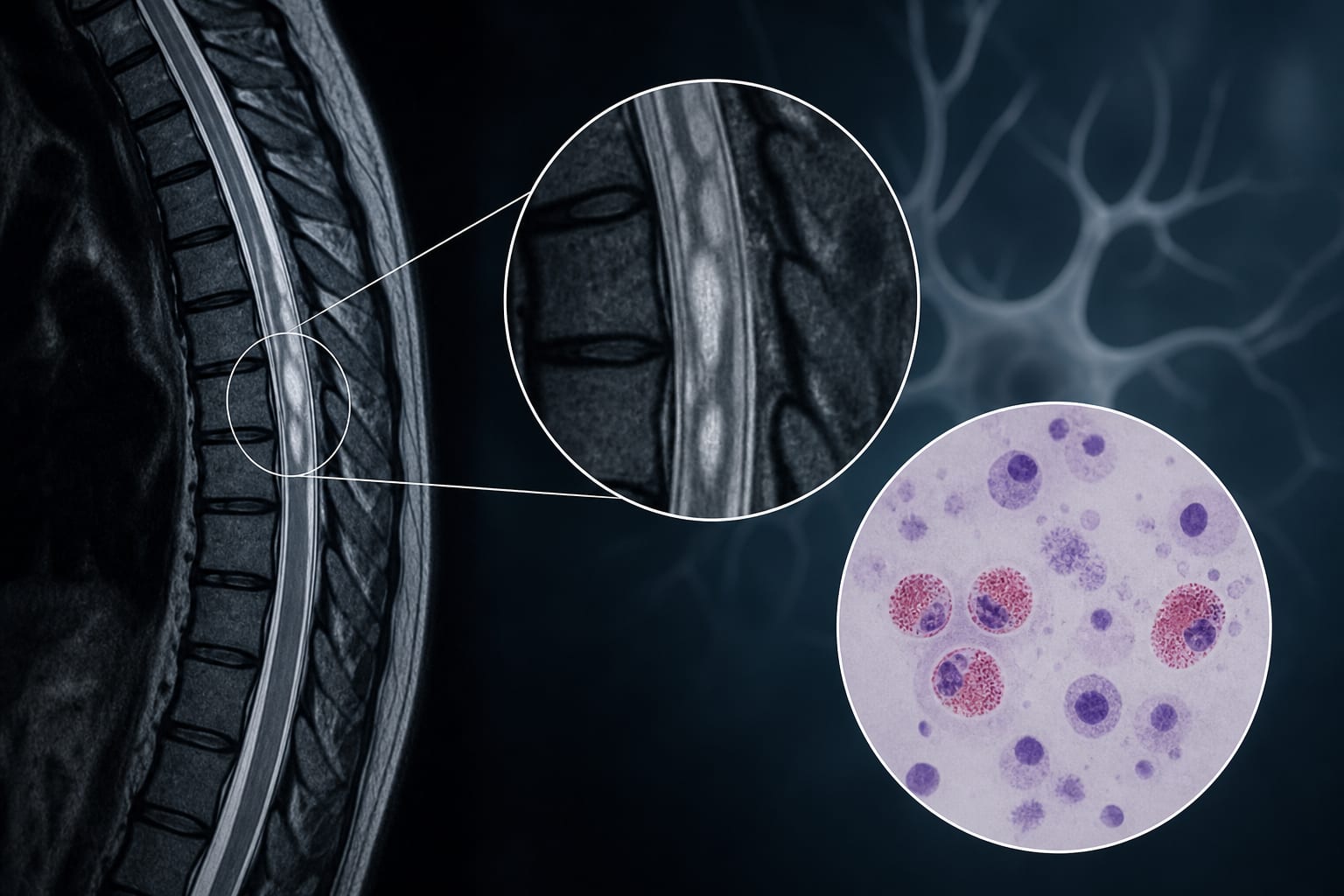
In a cohort of 93 Ugandan adults surviving HIV-associated cryptococcal or tuberculous meningitis, secondary cerebrospinal fluid (CSF) HIV viral escape was common, occurring in 43% of participants. Notably, secondary CSF viral escape was associated with better neurocognitive performance at 3 months post-meningitis.
Background
Cryptococcal and tuberculous meningitis are leading causes of HIV-associated meningitis with high acute mortality and frequent neurocognitive impairment among survivors. CSF HIV viral escape, defined as higher HIV RNA levels in CSF than plasma, can occur primarily or secondarily during neuroinflammatory conditions. Understanding the prevalence of secondary CSF viral escape and its impact on neurocognitive outcomes in meningitis survivors is critical for optimizing management.
Data Highlights
Parameter
Value
Participants enrolled
93
Cryptococcal meningitis
69% (64/93)
Tuberculous meningitis
31% (29/93)
Median age (IQR)
35 (30–42) years
Female
54%
On ART at baseline
35%
ART-naïve
47%
Median CD4 count (IQR)
42 (12–97) cells/μL
Plasma HIV viremia
75% (70/93), median 24,800 copies/mL
CSF HIV viremia
78% (73/93), median 9,900 copies/mL
Secondary CSF HIV viral escape
43% (40/93)
Secondary CSF viral escape on ART
28% (9/32)
Secondary CSF viral escape ART-naïve
49% (29/59)
Key Findings
Secondary CSF HIV viral escape was detected in 43% of HIV meningitis survivors.
Participants with secondary CSF viral escape were more likely to be ART-naïve (68%) compared to those without viral escape (32%).
CSF viral escape was associated with CSF pleocytosis, indicating an inflammatory response.
Neurocognitive testing at 3 months showed better performance (higher QNPZ-8 scores) in participants with secondary CSF viral escape.
No significant differences in age, sex, or CD4 count were observed between those with and without CSF viral escape.
Clinical Implications
Clinicians should be aware that secondary CSF HIV viral escape is common among survivors of HIV-associated cryptococcal and tuberculous meningitis, especially in ART-naïve individuals. The presence of CSF viral escape may paradoxically be associated with better neurocognitive outcomes, possibly reflecting an active immune response. Monitoring CSF HIV RNA levels alongside neurocognitive assessments could inform prognosis and guide therapeutic strategies.
Conclusion
Secondary CSF HIV viral escape occurs frequently in survivors of HIV-related meningitis and is linked to improved neurocognitive outcomes at 3 months. These findings highlight the complex interplay between HIV replication in the CNS and neurocognitive recovery.
References
Winston et al. 2019 -- Consensus Case Definition for CSF HIV Viral Escape
Study Authors 2024 -- Frequency of CSF HIV Viral Escape and Its Relationship with Neurocognitive Outcomes in Survivors of HIV-Related Meningitis
by Laura Nsangi, Gila Hale, Biyue Dai, Kathy Huppler Hullsiek, Asmus Tukundane, Alice Namudde, Grace B Menya, Peruth Ayebare, Lydia Nankungu, Olivie C Namuju, Susan Mulwana, Mable Kabahubya, David B Meya, David R Boulware, Fiona V Cresswell, Nathan C Bahr, Mahsa Abassi, Jayne Ellis