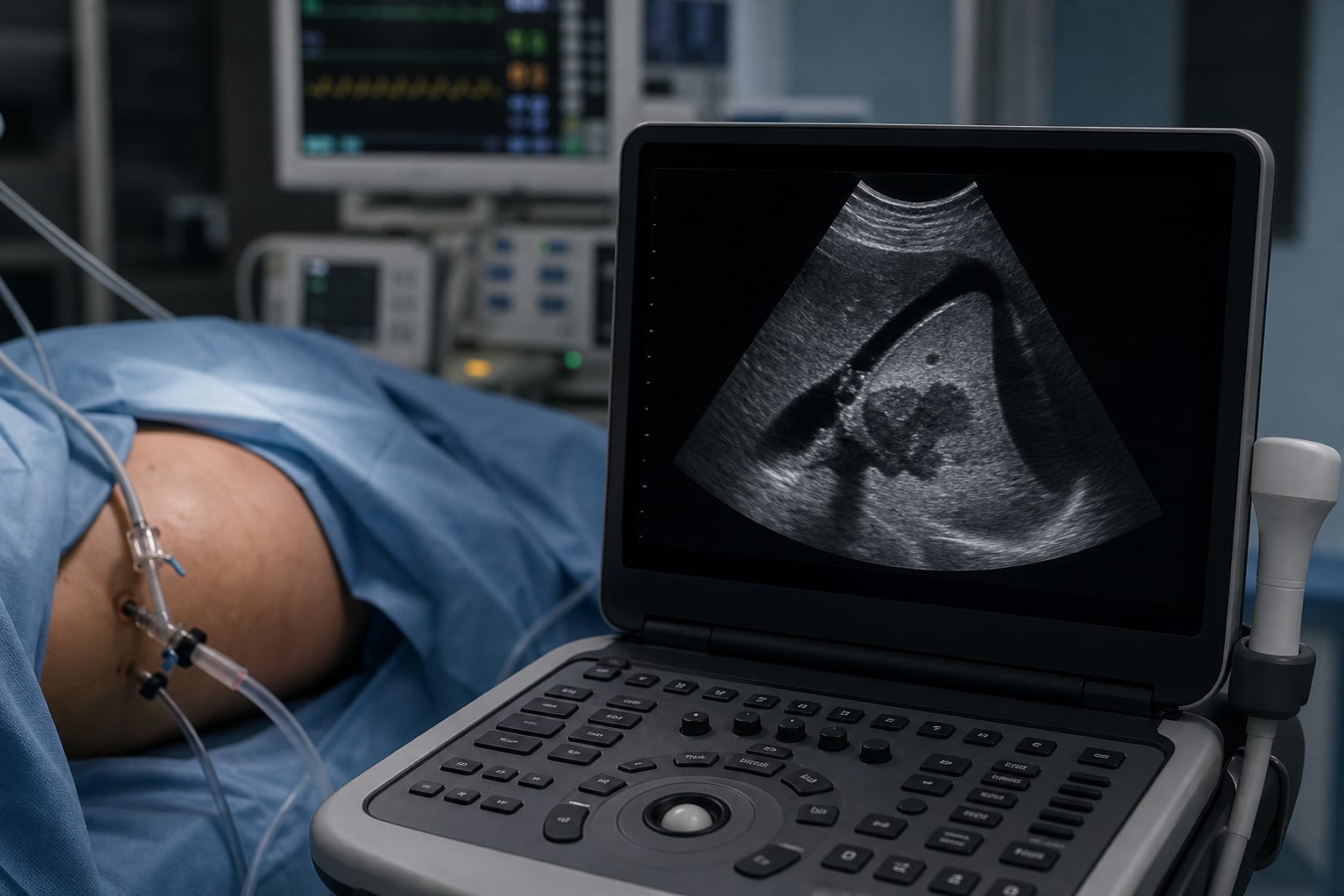
Clinical Report: Cupping Therapy with Bloodletting for Managing Incision Infections
Overview
This case study presents the management of an incisional surgical site infection (SSI) in a 75-year-old female patient following laparoscopic surgery using blood-letting cupping therapy. The patient underwent five sessions of therapy, and inflammatory markers were monitored during the follow-up period.
Background
Surgical site infections (SSIs) are a significant complication following laparoscopic surgery, with incidence rates ranging from 0.22% to 27.03%. These infections can lead to prolonged hospitalization and increased morbidity, particularly in immunocompromised patients. Exploring alternative therapies like cupping may provide additional options for managing postoperative wounds.
Data Highlights
No numerical data or trial data presented in the article.
Key Findings
A 75-year-old female developed an incisional SSI after laparoscopic surgery for cholangiocarcinoma.
Typical manifestations included incision inflammation, elevated CRP levels, and fever.
Five sessions of blood-letting cupping therapy led to gradual resolution of the infection.
Inflammatory markers returned to normal range post-therapy.
No recurrence of infection was observed during the 3-month follow-up.
Clinical Implications
This case highlights the use of blood-letting cupping therapy as a treatment for incisional SSIs in a postoperative patient. Further research may be needed to establish standardized protocols for its use.
Conclusion
This case study reports on the use of blood-letting cupping therapy in managing an incisional surgical site infection following laparoscopic procedures.