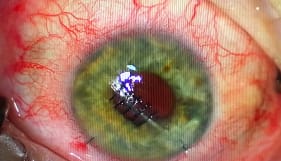
Clinical Report: Keratoconus More Common in Children Than Previously Thought
Overview
A recent study reveals that keratoconus is significantly more prevalent in children than previously estimated, with a prevalence of 1 in 251 and 1 in 72 when including suspected cases. This underscores the need for early screening and intervention to manage the condition effectively.
Background
Keratoconus is a progressive corneal disorder that can lead to severe visual impairment if not diagnosed and treated early. Traditionally, the prevalence of keratoconus in pediatric populations was underestimated, which may have delayed necessary interventions. Understanding the true prevalence is crucial for developing effective screening protocols and treatment strategies.
Data Highlights
Prevalence
Population
1 in 251
Children with keratoconus
1 in 72
Children with keratoconus plus suspected cases
Key Findings
Keratoconus prevalence in children is 1 in 251, significantly higher than the historical estimate of 1 in 2,000.
Including suspected cases, the prevalence rises to 1 in 72.
Early onset keratoconus has a poorer prognosis and faster progression.
Traditional diagnostic methods often miss subclinical cases of keratoconus.
Comprehensive corneal tomography screening is essential for early detection in pediatric eye exams.
Timely intervention with corneal collagen crosslinking can prevent vision loss.
Clinical Implications
Healthcare professionals should incorporate advanced corneal tomography in routine pediatric eye examinations to identify keratoconus early. Early detection and intervention can significantly improve outcomes for affected children, reducing the risk of severe visual impairment.
Conclusion
The findings highlight the urgent need for revised screening practices for keratoconus in children, emphasizing the importance of early detection and timely treatment to improve patient outcomes.