Clinical Report: Safety of Tranexamic Acid in Shoulder Arthroplasty Patients
Overview
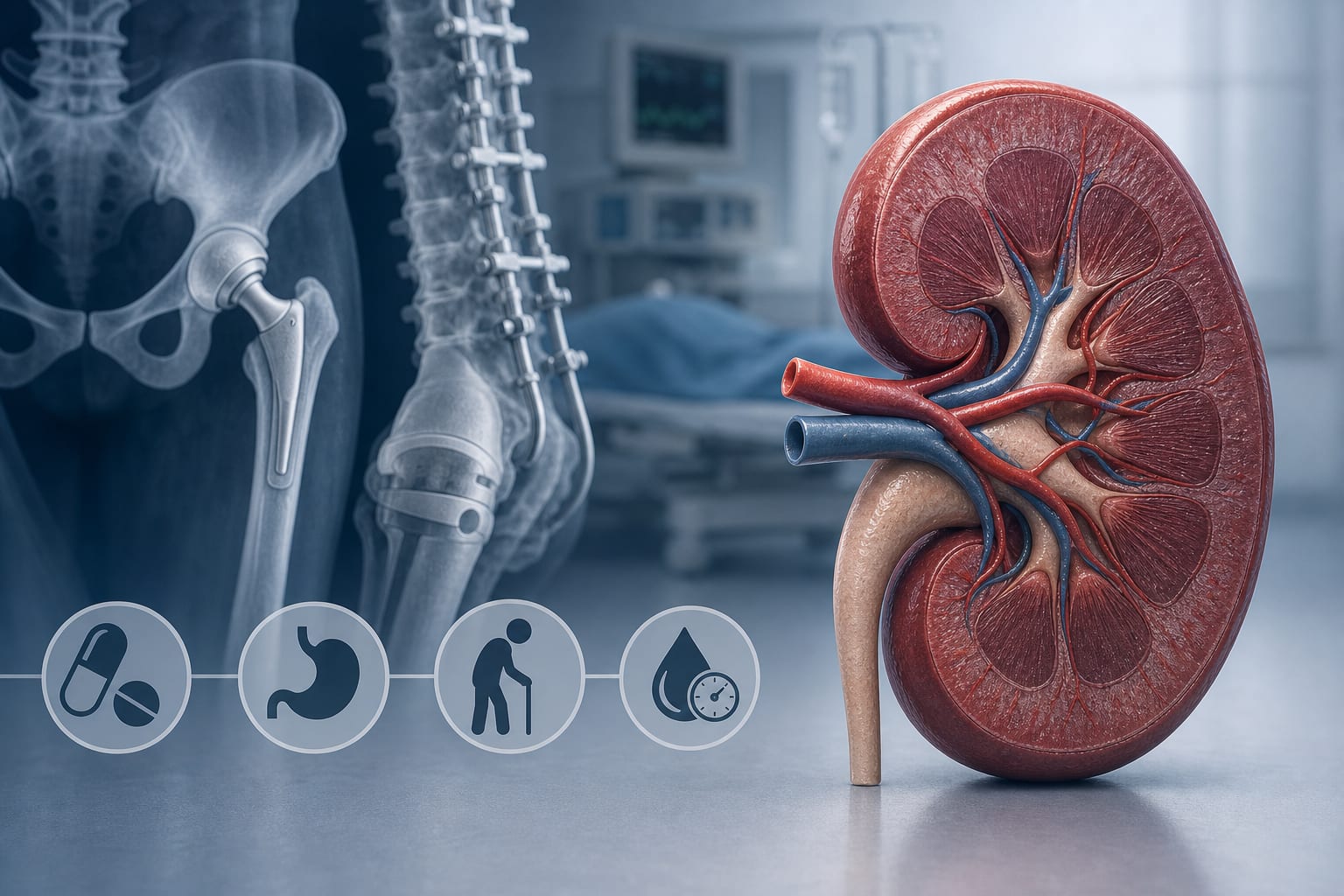
This study evaluates the safety of tranexamic acid (TXA) in shoulder arthroplasty patients with elevated thromboembolic, cardiac, renal, and neurological risks.
Background
Shoulder arthroplasty is associated with significant perioperative blood loss, which can lead to complications such as postoperative anemia and increased transfusion rates. Tranexamic acid has been shown to effectively reduce blood loss and transfusion requirements in various surgical settings. However, concerns regarding its safety in high-risk patients remain, necessitating further investigation into its use in this population.
Data Highlights
No numerical data provided in the source material.
Key Findings
TXA effectively reduces perioperative bleeding and transfusion requirements in shoulder arthroplasty.
Concerns exist regarding TXA's safety in patients with preexisting thromboembolic, cardiac, renal, or neurological conditions.
Prior studies have primarily focused on healthier cohorts, leaving a gap in safety data for high-risk patients.
This study utilizes a large national database to assess TXA safety across various high-risk profiles.
The hypothesis was that TXA would not be associated with increased complication rates in high-risk populations.
Clinical Implications
Further research is needed to confirm these results.
Conclusion
The study provides insights into the safety of TXA in high-risk shoulder arthroplasty patients.