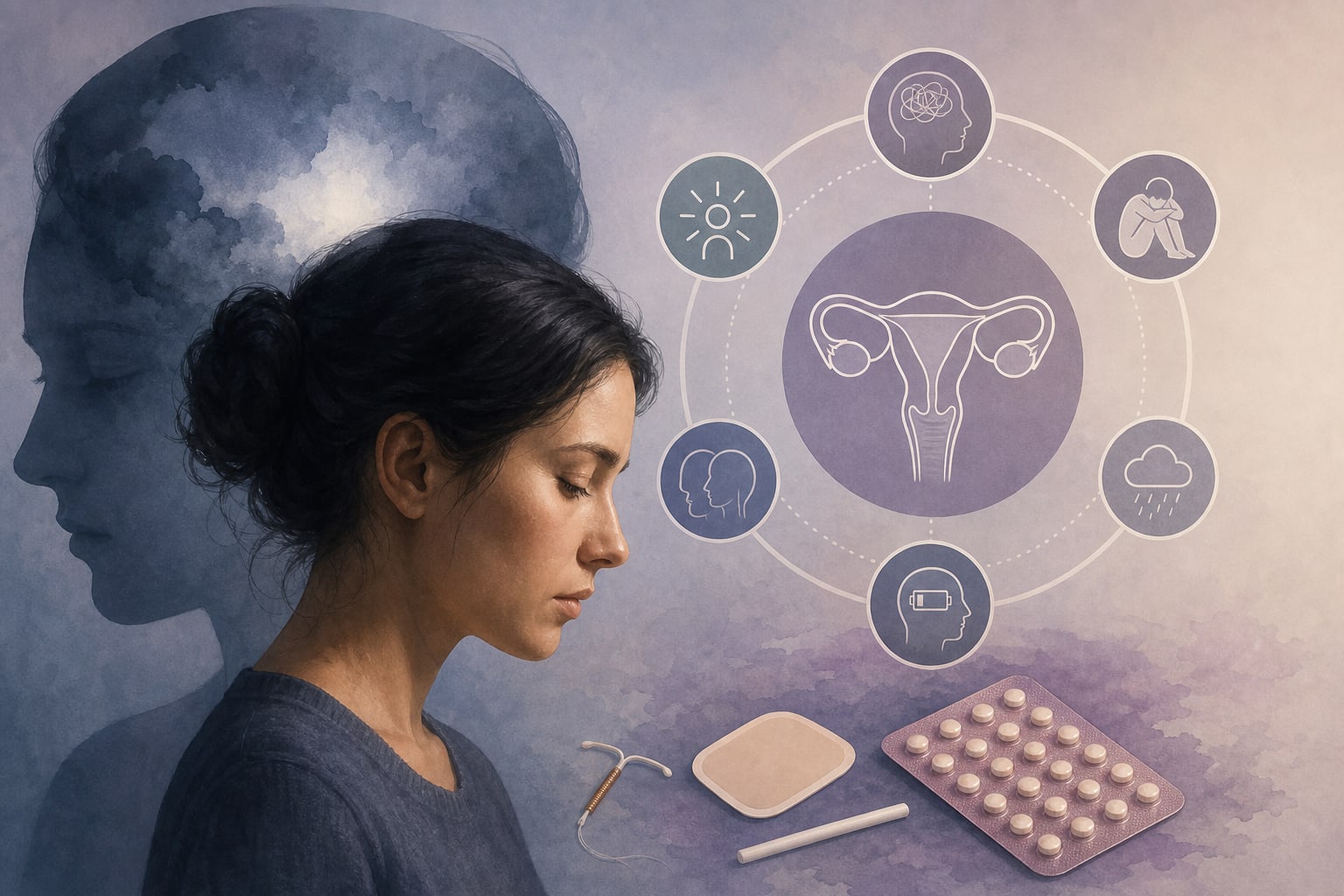
Clinical Report: Exploring Psychiatric Comorbidities Associated with Hormonal Contraceptive Use
Overview
This scoping review identifies a small but statistically significant association between hormonal contraceptive use, particularly progestin-only methods, and increased depressive symptoms. The review highlights the need for further research into the psychiatric effects of hormonal contraceptives.
Background
Hormonal contraceptives are commonly used by women of reproductive age for various health indications, including pregnancy prevention and management of menstrual disorders. Concerns about their potential impact on mental health, particularly mood and anxiety disorders, have emerged, necessitating a thorough examination of existing literature. Understanding these associations is crucial for informed contraceptive counseling and prescribing practices.
Data Highlights
Outcome
Effect Size
Confidence Interval
Depressive Symptoms
RR = 1.24
95% CI 1.08-1.42
Suicidality (younger users)
HR = 1.97
-
Suicidality (long-term progestin-only use)
OR = 1.57
-
Anxiety
RR = 1.08
95% CI 0.83-1.40
Key Findings
Pooled analyses show a significant association between hormonal contraceptive use and depressive symptoms.
Progestin-only methods are particularly linked to increased depressive symptoms.
Cohort studies indicate varying risks of suicidality among different age groups and contraceptive types.
Evidence for anxiety-related outcomes remains inconsistent across studies.
Methodological heterogeneity is a common limitation in the reviewed studies.
Clinical Implications
Healthcare providers should consider the potential psychiatric effects of hormonal contraceptives when counseling patients. Mental health screening may be beneficial for women using hormonal contraceptives, particularly those at higher risk for mood disorders.
Conclusion
The review underscores the importance of further research into the psychiatric implications of hormonal contraceptive use to inform clinical practice and improve patient outcomes.
Swedish study finds two-way associations between premenstrual disorders and psychiatric conditions, with strongest links involving depression, anxiety, attention-deficit/hyperactivity disorder, bipolar disorder, and personality disorders.