Getting YAG in the Bag: Tips for Success - Report - MDSpire
Advertisement
Getting YAG in the Bag: Tips for Success
Joe Munsell, OD, dedicated part of his 2025 Optometry’s Meeting lecture, “Optometric Laser Procedures: Pearls, Pitfalls, and How to Successfully Incorporate Into Your Practice,” to clinical pearls related to the procedure.
Clinical Report: Tips for Successful YAG Laser Capsulotomy
Overview
YAG laser capsulotomy is a common procedure performed by optometrists in select states. Dr. Joe Munsell provides practical guidance on patient selection, timing, laser settings, and technique to optimize outcomes and minimize complications.
Background
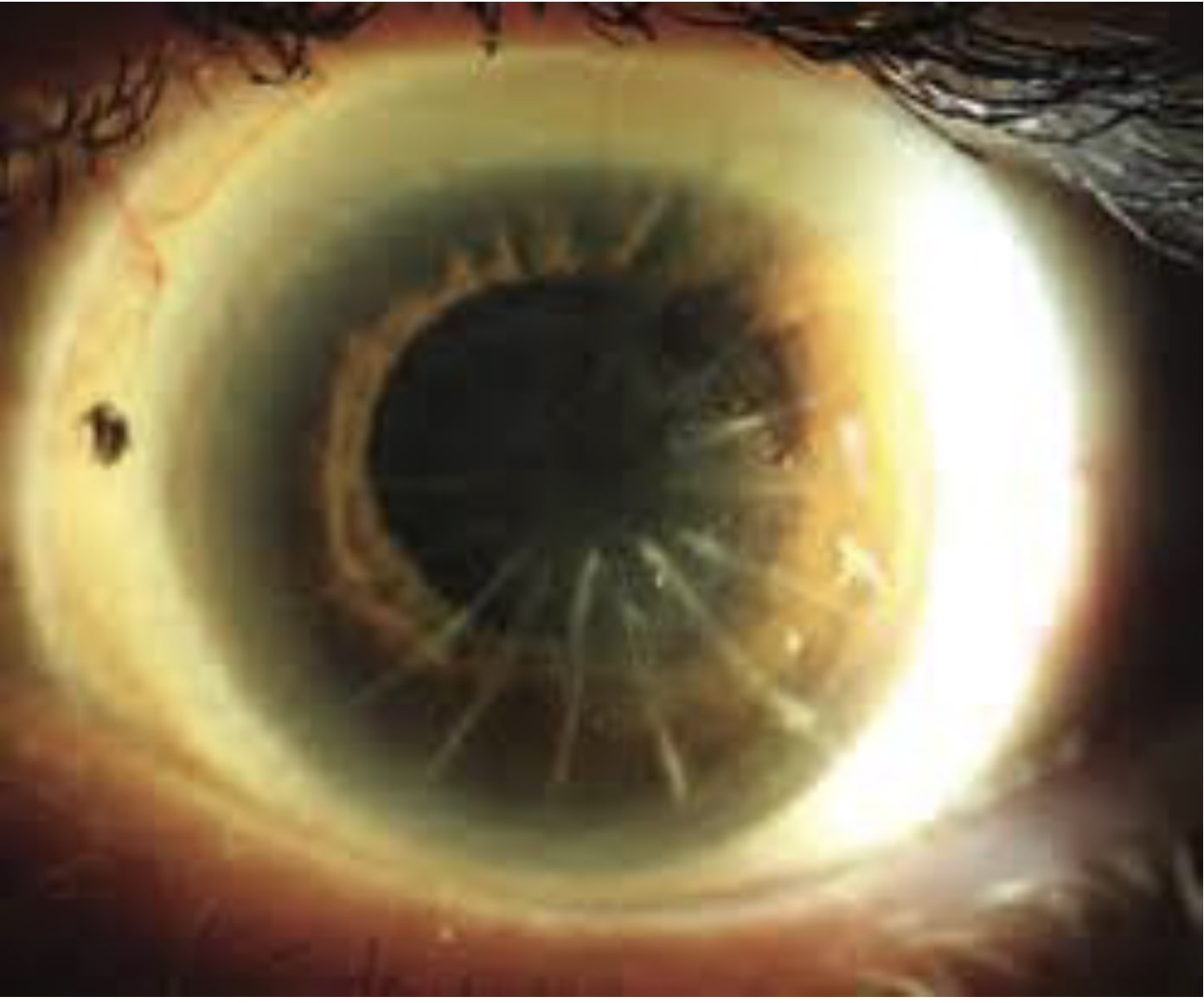
Yttrium aluminum garnet (YAG) laser capsulotomy is widely used to treat posterior capsular opacification following cataract surgery. Optometrists in 15 states are authorized to perform this procedure. Proper patient selection and timing are critical to avoid complications such as increased intraocular pressure, cystoid macular edema, and retinal issues. Using appropriate laser settings and techniques further enhances procedural success.
Data Highlights
Parameter
Recommended Range
Dr. Munsell's Preference
Laser Energy for Fibrous Opacification
1.3 mJ to 2.5 mJ
1.7 mJ
Distance Between Laser Focus and Posterior Capsule
125 μm to 500 μm
250 μm
Post-Cataract Surgery Wait Time Before YAG
At least 3 months
3 months
Key Findings
Ideal YAG capsulotomy candidates have no confounding ocular conditions such as diabetic retinopathy or glaucoma.
Wait at least 3 months post-cataract surgery before performing YAG capsulotomy to allow adequate healing.
Use of a magnifying focusing lens (Abraham lens) is recommended for accuracy and patient stability, especially for beginners.
Set laser energy between 1.3 and 2.5 mJ for fibrous posterior capsular opacification, with 1.7 mJ being optimal.
Maintain a laser focal point distance of 125 to 500 μm from the posterior capsule, ideally around 250 μm.
Employ the cruciate technique starting perpendicular to minimize free-floating vitreous fragments.
Clinical Implications
Optometrists should carefully select patients and adhere to recommended timing to reduce risks such as IOP spikes and retinal complications. Utilizing the magnifying lens and precise laser settings enhances procedural safety and effectiveness. The cruciate technique aids in controlled capsulotomy and reduces vitreous disturbance.
Conclusion
Following these evidence-based tips can improve the safety and success of YAG laser capsulotomy performed by optometrists, ensuring better patient outcomes and minimizing complications.
References
Joe Munsell, OD/Optometry Times/2025 -- Getting YAG in the Bag: Tips for Success
The American Academy of Optometry (AAO) has opened its call for course proposals for the educational program at Academy 2026 Anaheim, inviting optometrists and educators to submit lectures, workshops, and interactive sessions for consideration.
The AOA Innovation Hub, which made its debut at Optometry’s Meeting 2025, was created to enable industry representatives and startup companies to share their innovations with meeting attendees.