Clinical Report: FURL vs Mini-PCNL in 2 to 3 cm Stones
Overview
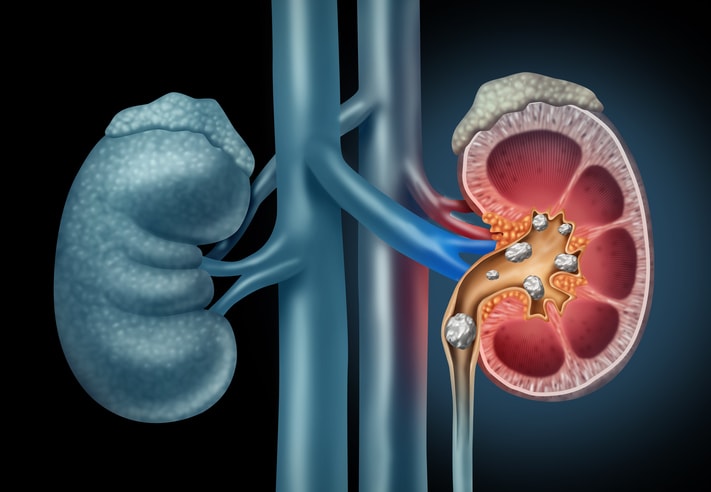
Flexible ureteroscopy with lithotripsy using suction technology achieved stone-free rates comparable to mini-PCNL in a noninferiority trial for 2 to 3 cm renal stones.
Background
The management of renal stones, particularly those measuring 2 to 3 cm, is crucial due to the potential for complications such as infection and bleeding, and the need for effective treatment options.
Data Highlights
Procedure
Immediate SFR
3-Month SFR
FURL
84%
90%
Mini-PCNL
85%
92%
Key Findings
FURL achieved immediate stone-free rates of 84% and 90% at 3 months.
Mini-PCNL had immediate stone-free rates of 85% and 92% at 3 months.
FURL was associated with lower intrarenal pressure and shorter hospital stays.
Patients treated with FURL reported improved quality of life post-procedure.
Both procedures showed favorable safety profiles, particularly in pediatric and complex cases.
Further large-scale trials are warranted to solidify the role of FURL in clinical practice.
Clinical Implications
Clinicians should consider suction-assisted FURL as a viable alternative to mini-PCNL for patients with 2 to 3 cm renal stones, particularly given its benefits in reducing intrarenal pressure and postoperative pain. Individualized treatment plans should take into account stone characteristics, patient factors, and comprehensive assessment.
Conclusion
Suction-assisted FURL presents a promising option for managing moderate renal stone burdens, with outcomes comparable to mini-PCNL. Further large-scale trials are warranted to solidify its role in clinical practice.
“And when one of these measles cases ends up in a low-immunization community, that's when the ember really has a chance to expand and become a wildfire.”