Role of Bile in Biliopancreatic Limb Enhances Metabolic Outcomes Post-Duodenal-Jejunal Bypass
Overview
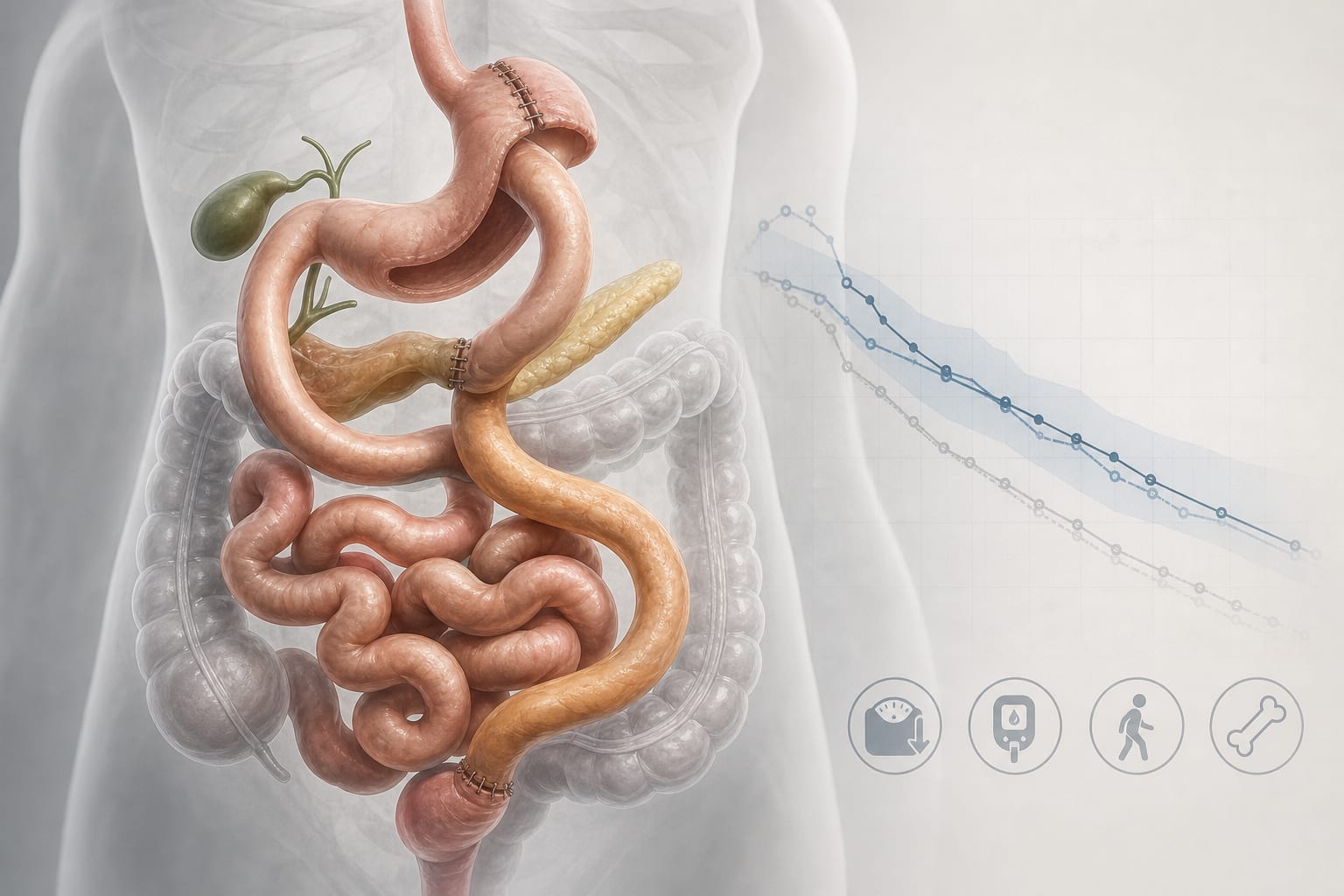
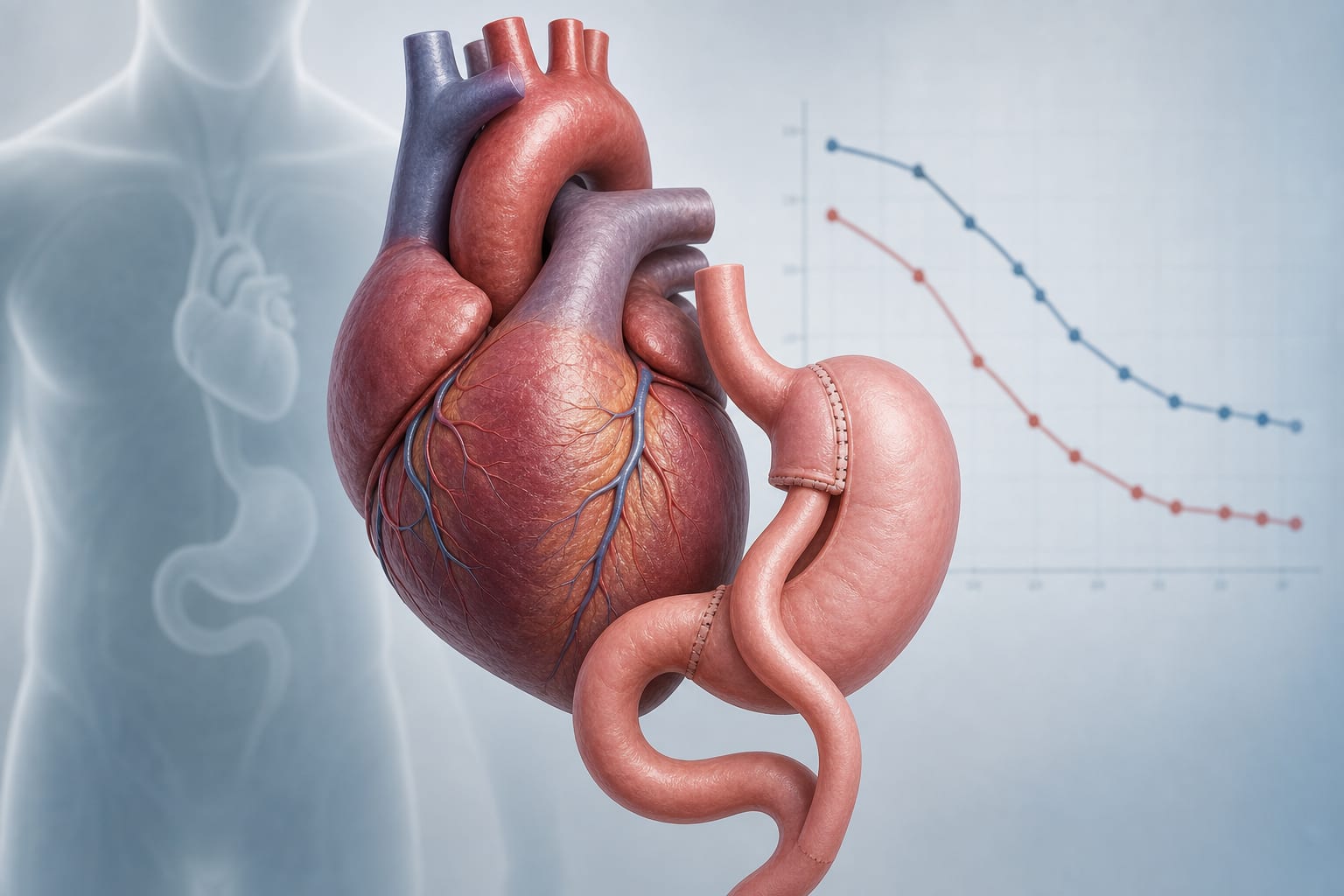
This study demonstrates that bile flow into the biliopancreatic limb (BPL) is critical for metabolic improvements following duodenal-jejunal bypass (DJB) surgery in diabetic obese rats. Altering bile flow by modifying the DJB procedure significantly affects bile acid dynamics, glucose metabolism, and gut microbiota composition.
Background
Bariatric surgery, including restrictive and malabsorptive procedures, effectively reduces weight and improves metabolic diseases such as type 2 diabetes. Duodenal-jejunal bypass (DJB) is a pure bypass model that excludes restrictive components, allowing study of metabolic effects mediated by bile acids (BAs) and gut microbiota. Previous research indicated that longer BPL length correlates with higher plasma BA levels and better glycemic control, suggesting the importance of bile flow and enterohepatic circulation in metabolic improvement.
Data Highlights
Group
Procedure
BPL Length
Effect on Bile Flow
Metabolic Outcome
DJB
Standard duodenal-jejunal bypass
30 cm
Bile flows into BPL
Improved glucose metabolism and elevated serum BA
DJB-D
Modified bypass with duodenal-jejunal anastomosis distal to papilla of Vater
30 cm
Bile does not flow into BPL
Reduced metabolic improvement effect
Sham
Intestinal transection and anastomosis without bypass
N/A
Normal bile flow
No significant metabolic improvement
Key Findings
Bile flow into the biliopancreatic limb is essential for the metabolic benefits observed after DJB surgery.
Early reabsorption of bile acids in the BPL shortens enterohepatic circulation, correlating with improved glycemic control.
Modification of DJB to prevent bile flow into the BPL (DJB-D) diminishes the metabolic improvement effect.
Gut microbiota composition changes post-DJB and interacts with bile acid dynamics, influencing metabolic outcomes.
OLETF diabetic obese rats serve as an effective model to study type 2 diabetes and obesity in relation to bariatric surgery mechanisms.
Clinical Implications
These findings highlight the importance of preserving bile flow into the biliopancreatic limb during bypass surgeries to maximize metabolic benefits, particularly for glucose metabolism improvement. Understanding bile acid dynamics and gut microbiota interactions may guide optimization of surgical techniques and postoperative management to enhance diabetes resolution.
Conclusion
Bile presence in the biliopancreatic limb is a key driver of metabolic improvements following duodenal-jejunal bypass surgery, mediated through bile acid reabsorption and gut microbiota modulation. Surgical strategies that maintain bile flow into this limb may optimize metabolic outcomes in bariatric procedures.
References
Kohli et al. 2021 -- The Role of Bile in the Biliopancreatic Limb for Enhancing Metabolic Outcomes Following Duodenal-Jejunal Bypass