Clinical Report: Revitalizing Oncology Services in Post-Conflict Syria
Background
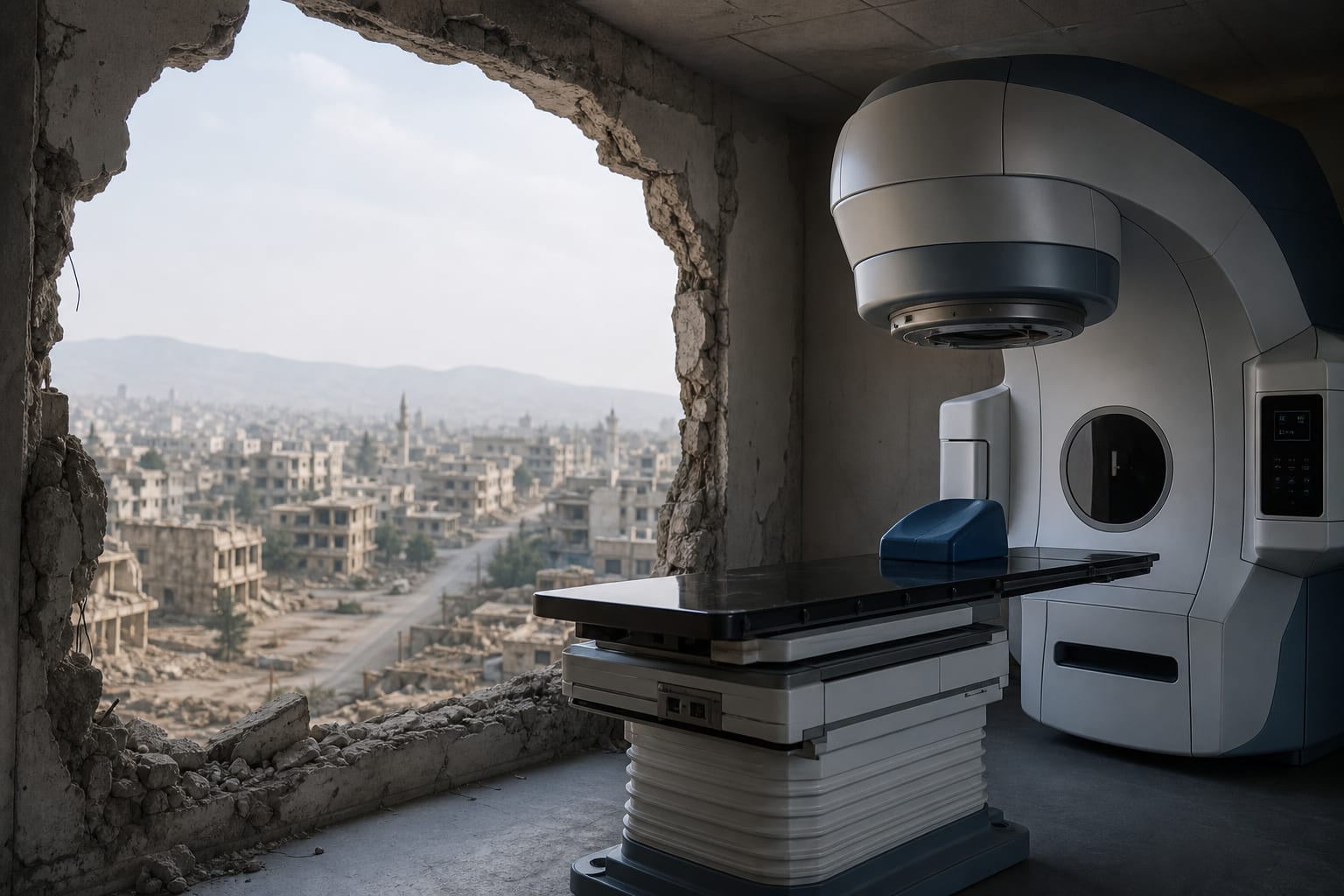
Protracted armed conflict disrupts health systems, particularly affecting complex conditions like cancer care. In Syria, ongoing conflict has led to fragmented health services, limiting access to oncology care. Addressing these challenges is critical for improving health outcomes in a region where cancer treatment has been historically centralized in major urban areas.
Data Highlights
No numerical data provided in the source material.
Key Findings
Fourteen years of conflict have fragmented Syria's health system into at least four subnational systems.
Access to oncology services is severely limited outside major urban centers, particularly in the northwest and northeast regions.
Key constraints include the absence of a national cancer registry and shortages in diagnostic and treatment capacities.
A sequenced approach to recovery is proposed, focusing on governance, referral pathways, and essential cancer service packages.
Clinical Implications
Healthcare providers must recognize the complexities of delivering oncology care in post-conflict settings. Efforts should focus on rebuilding governance structures and ensuring equitable access to cancer services across fragmented health systems.
Conclusion
Restoring continuity in cancer care in Syria requires a strategic approach that aligns governance, service delivery, and financing. Without addressing these foundational issues, expansion of services may exacerbate existing disparities.