Clinical Report: 3D-OTC Model Enhances Personalized Therapy in Head and Neck Cancer
Overview
The 3D organotypic tissue co-culture (3D-OTC) model preserves the morphology and immune microenvironment of head and neck squamous cell carcinoma (HNSCC) tumors ex vivo, enabling functional and transcriptomic analyses. This model supports cultivation up to 21 days and facilitates testing of therapeutic interventions, potentially improving personalized treatment strategies.
Background
Head and neck squamous cell carcinoma (HNSCC) is a prevalent cancer with heterogeneous treatment responses, especially in advanced stages. Reliable biomarkers to predict therapy outcomes are lacking, complicating treatment decisions. Preclinical models that maintain tumor biology and microenvironment, including immune cells, are needed to test therapeutic options during diagnosis. The 3D-OTC model, derived from primary tumor tissue cultured on fibroblast layers, mimics tumor-stroma interactions and allows for ex vivo analysis of tumor morphology and immune cell infiltration.
The 3D-OTC model maintains morphological features and tumor-immune cell interactions comparable to primary HNSCC tissue.
The model supports cultivation of both HPV-negative and HPV-positive tumor samples for up to 21 days.
Spatially resolved gene expression profiling in the 3D-OTC allows functional characterization of tumor regions and identification of genes linked to drug resistance.
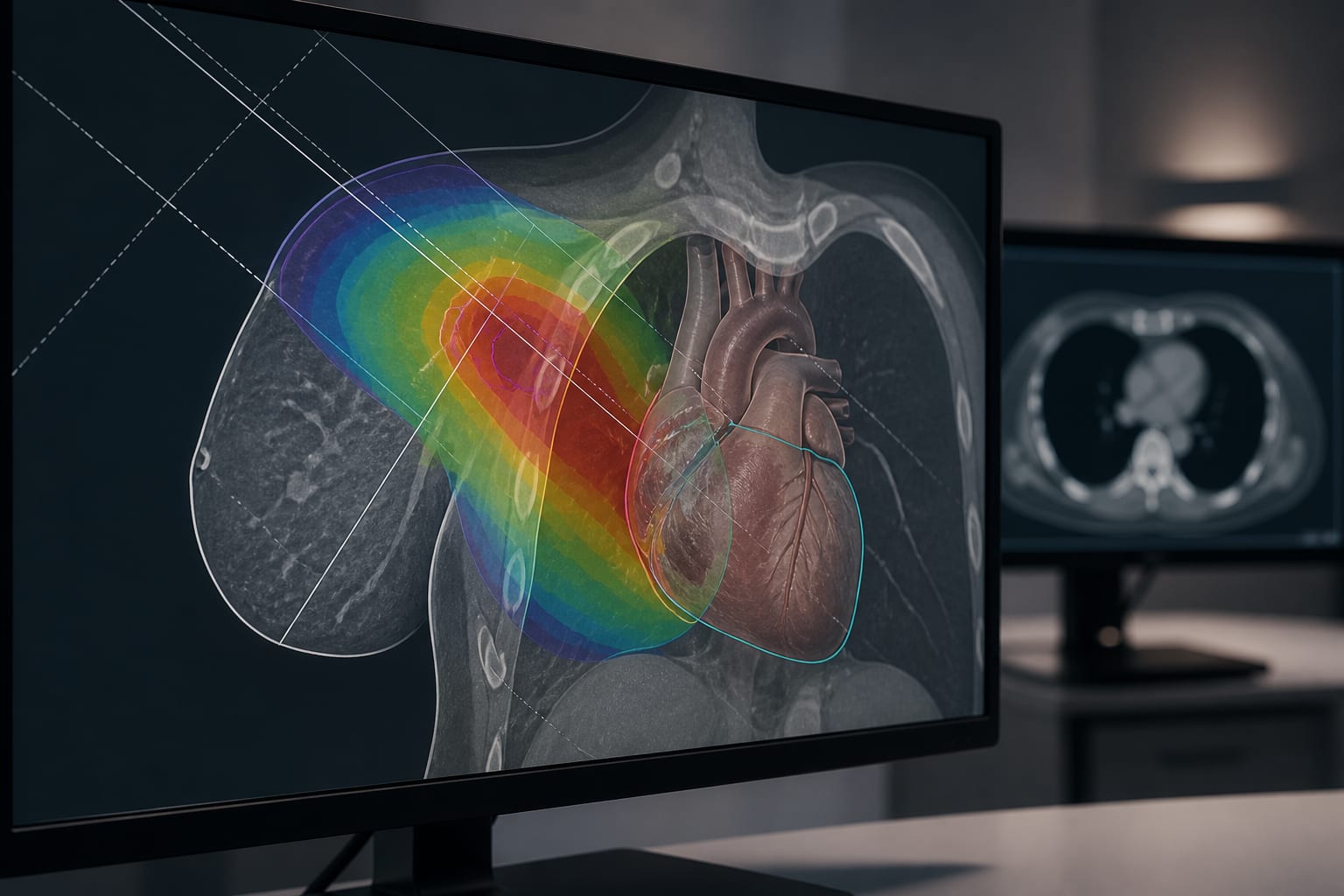
The model facilitates testing of therapeutic interventions such as radiotherapy in an ex vivo setting.
3D-OTC preserves tumor stroma interactions by culturing tumor fragments on a fibroblast layer, enhancing biological relevance.
Clinical Implications
The 3D-OTC model offers a promising platform for personalized therapy testing in HNSCC by preserving tumor morphology and immune microenvironment ex vivo. It enables assessment of treatment responses and molecular profiling, potentially guiding individualized therapeutic decisions. This approach may improve prediction of therapy efficacy and support development of targeted interventions.
Conclusion
The 3D-OTC model represents a valuable tool for studying HNSCC tumor biology and therapy response, bridging the gap between in vitro testing and clinical application. Its ability to maintain tumor characteristics and enable functional analyses supports its use in personalized treatment strategies.
Related Resources & Content
Engelmann et al. 3D-OTC model in HNSCC
Technical University of Munich Ethics Committee 15/21 S