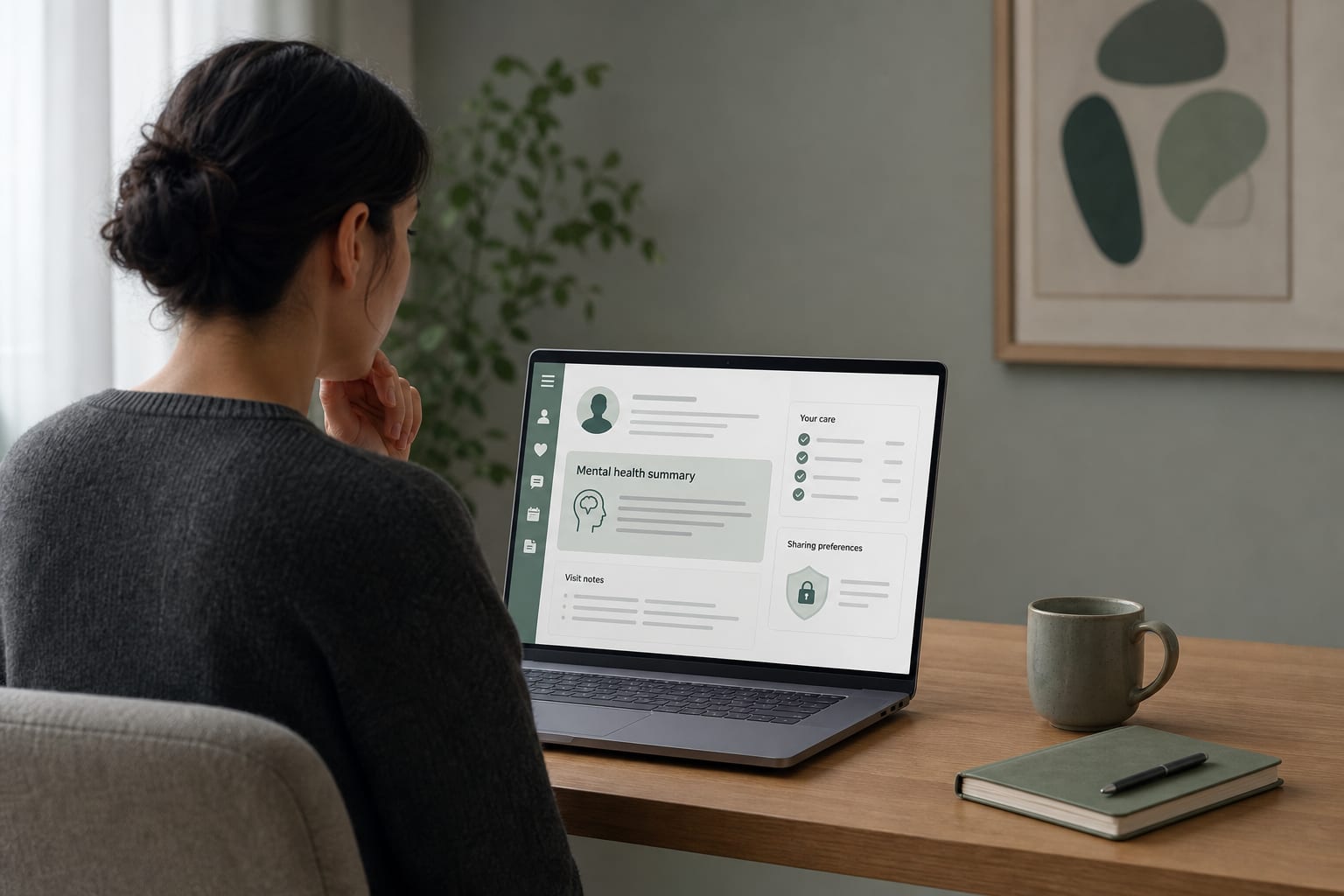
Patients' Perspectives on Sensitive Health Information: Insights from a National Survey
Overview
This study explores patients' perceptions of sensitive health information within patient-accessible electronic health records (PAEHRs), highlighting concerns regarding privacy, particularly related to mental health information.
Background
The accessibility of electronic health records through patient portals has been linked to improved communication and patient engagement in healthcare. However, concerns about privacy and the sensitivity of certain health information, especially mental health data, can deter patients from utilizing these resources.
Data Highlights
No numerical data was provided in the source material.
Key Findings
Patients desire access to their electronic health records despite concerns about sensitive information.
Access to mental health information is often perceived as particularly sensitive by patients.
Concerns about privacy and unwanted access can affect patients' willingness to engage with their health records.
Healthcare professionals share concerns about the potential negative emotional impact on patients from accessing sensitive notes.
Proxy access to sensitive health information raises ethical concerns, particularly for adolescents and their parents.
Clinical Implications
Healthcare providers should be aware of the varying perceptions of sensitive health information among patients.
Conclusion
Recognizing patients' perspectives on sensitive health information is important for improving the design and functionality of patient portals.
by Saija Simola, Sari Kujala, Anna Kharko, Josefin Hagström, Charlotte Blease, Åsa Cajander, Rose-Mharie Åhlfeldt, Bo Wang, Bridget Kane, Maria Hägglund
National survey data found lower per-capita representation across 23 occupations in nonmetropolitan communities, with the largest workforce differences observed among psychologists, physicians, and surgeons.