Proliferative glomerulonephritis with monoclonal immunoglobulin IgG1-κ deposition in a patient with type 1 diabetes: a case report and literature review - Report - MDSpire
Advertisement
Proliferative glomerulonephritis with monoclonal immunoglobulin IgG1-κ deposition in a patient with type 1 diabetes: a case report and literature review
Clinical Report: Monoclonal IgG1-κ Deposition in Proliferative Glomerulonephritis
Overview
Revise to include more specific details about the patient's clinical history and the significance of the findings.
Background
Proliferative glomerulonephritis with monoclonal immunoglobulin deposits (PGNMID) is a rare renal disease that can lead to significant morbidity. It is characterized by non-specific symptoms, making diagnosis challenging, particularly in patients with underlying conditions such as diabetes. Understanding PGNMID is crucial for timely diagnosis and management.
Data Highlights
No numerical data or trial data were provided in the source material.
Key Findings
The patient had a 19-year history of type 1 diabetes with poor glycemic control.
Clinical presentation included nausea, vomiting, generalized edema, and acute renal failure.
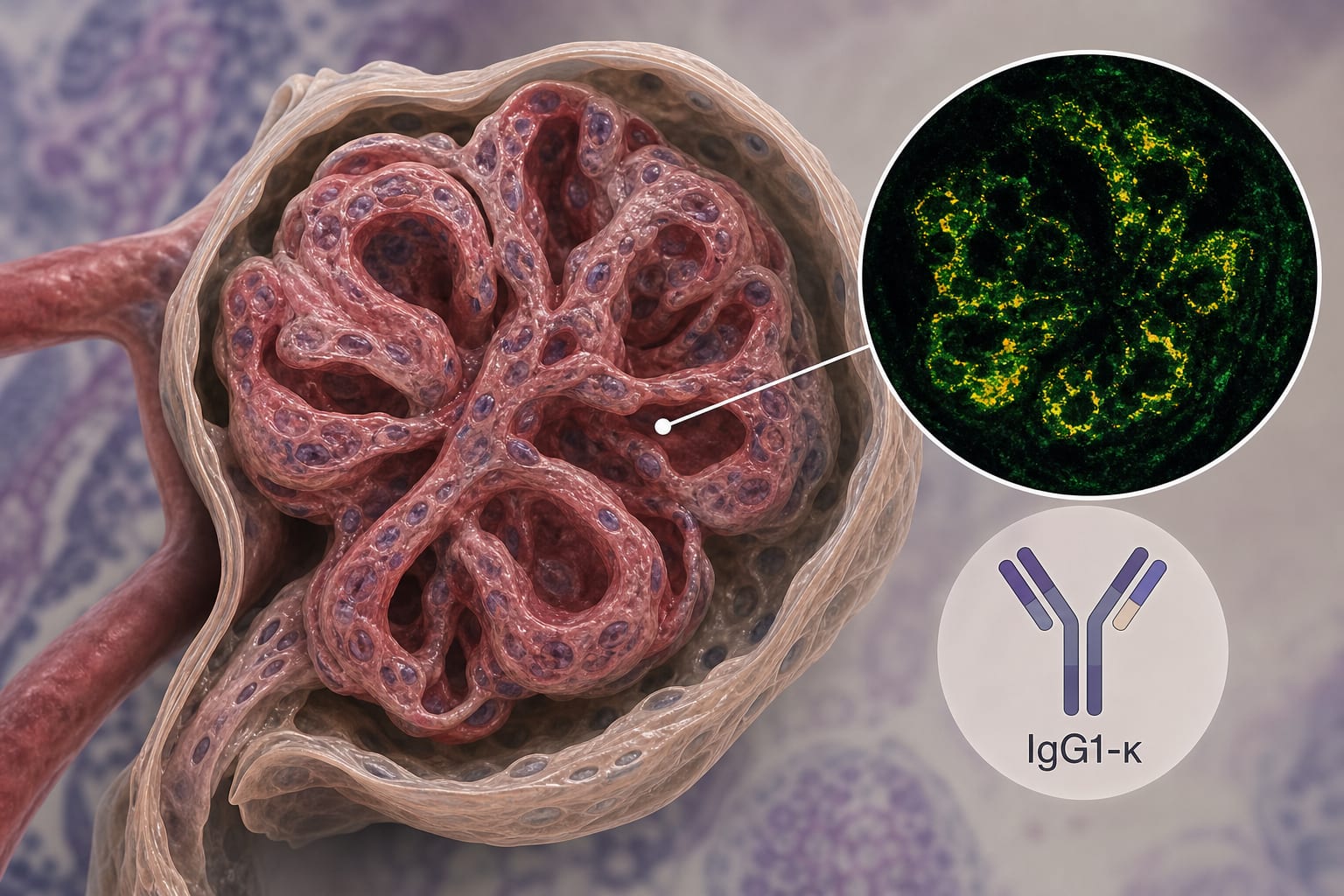
Renal biopsy revealed diffuse granular deposits of IgG, C3, and κ light chain, with strong IgG1 positivity.
The patient was treated with prednisone and cyclophosphamide, showing a good initial response.
No abnormal monoclonal bands were detected in serum or urine immunofixation electrophoresis.
Long-term maintenance dialysis was required after initial treatment.
Clinical Implications
The presence of nephrotic-range proteinuria and rapidly progressive renal dysfunction in patients with diabetes should raise suspicion for PGNMID. A renal biopsy is essential for accurate diagnosis and differentiation from diabetic kidney disease.
Conclusion
Remove unsupported claims about the importance of early diagnosis and treatment outcomes.