Postoperative periprosthetic fractures associated with compressive osseointegration: a systematic review of the Zimmer Biomet Compress® device - Report - MDSpire
Clinical Report: Systematic Review of Postoperative Periprosthetic Fractures
Overview
This systematic review evaluates the incidence and management of postoperative periprosthetic fractures associated with the Zimmer Biomet Compress® device and compares these outcomes with traditional cemented stems.
Background
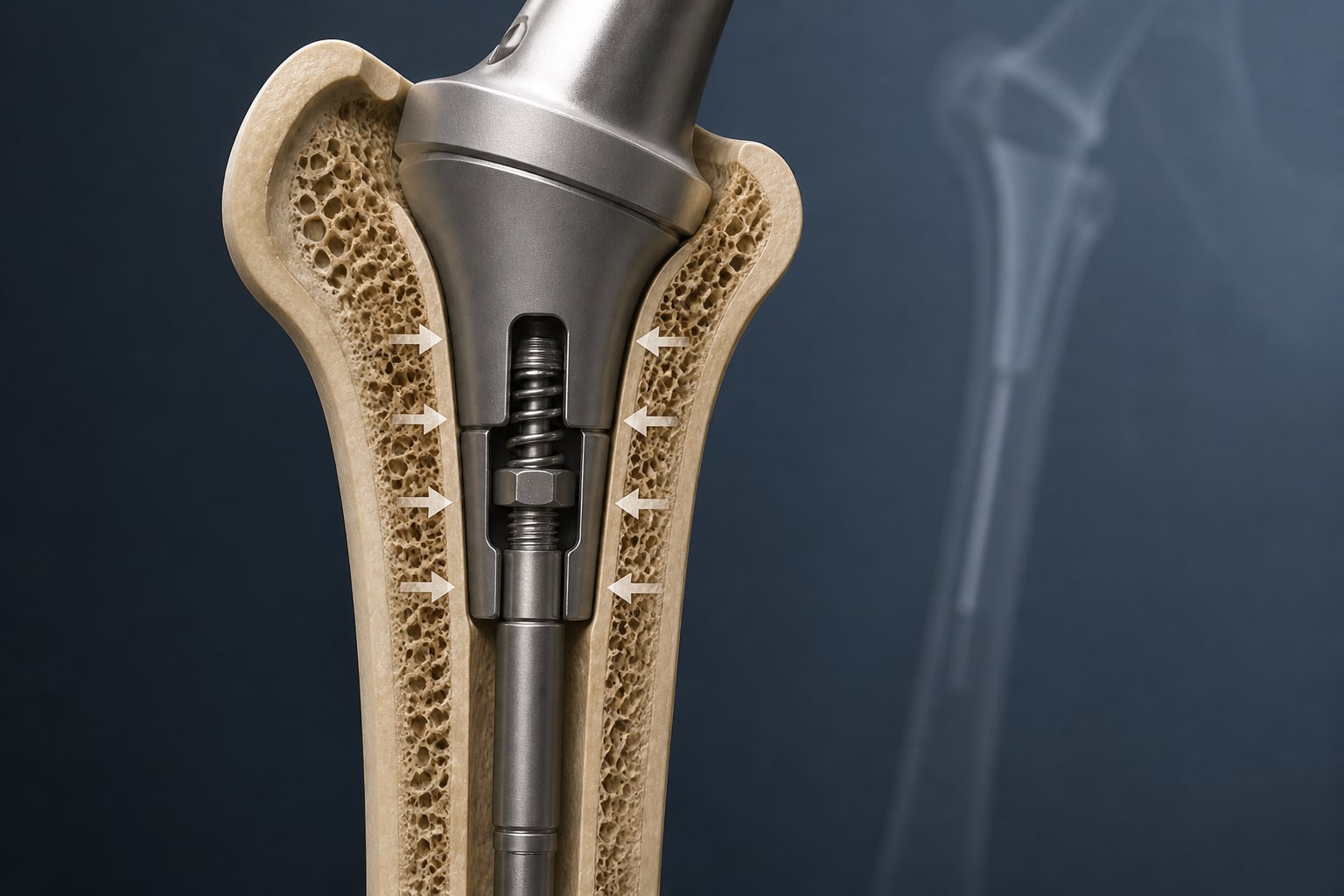
Postoperative periprosthetic fractures are a significant concern in massive endoprosthetic reconstruction, particularly following oncological resection or complex trauma. The Zimmer Biomet Compress® device aims to enhance implant fixation through compressive osseointegration.
Data Highlights
No numerical data available in the provided source material.
Key Findings
The review included seven studies with a total of 564 cases, comprising 455 oncologic and 109 non-oncologic cases.
Methodological quality of included studies was assessed as moderate, with common weaknesses noted.
Compressive osseointegration devices have a different failure profile compared to traditional cemented stems.
Periprosthetic fractures may occur due to the substantial compressive forces at the bone–implant interface.
Clinical Implications
Surgeons should be aware of the increased risk of periprosthetic fractures associated with the Zimmer Biomet Compress® device. Careful monitoring and management strategies are necessary to address these complications effectively.
Conclusion
This systematic review highlights the need for further research into the management of periprosthetic fractures related to compressive osseointegration devices, as their failure mechanisms differ from traditional implants.